1) Colosseum
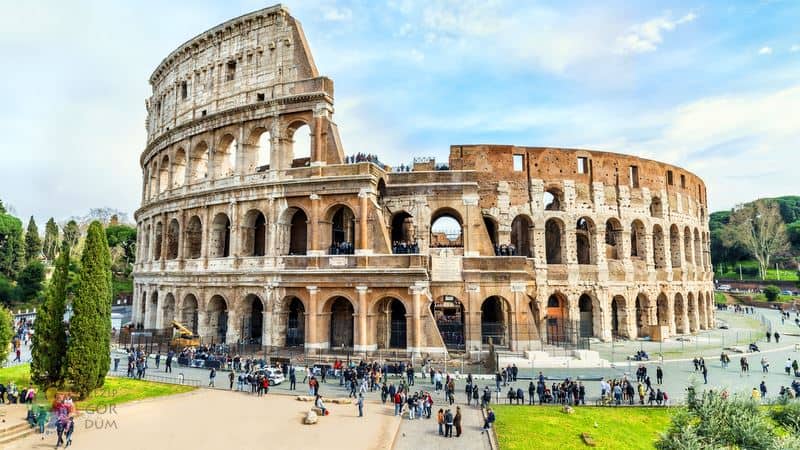

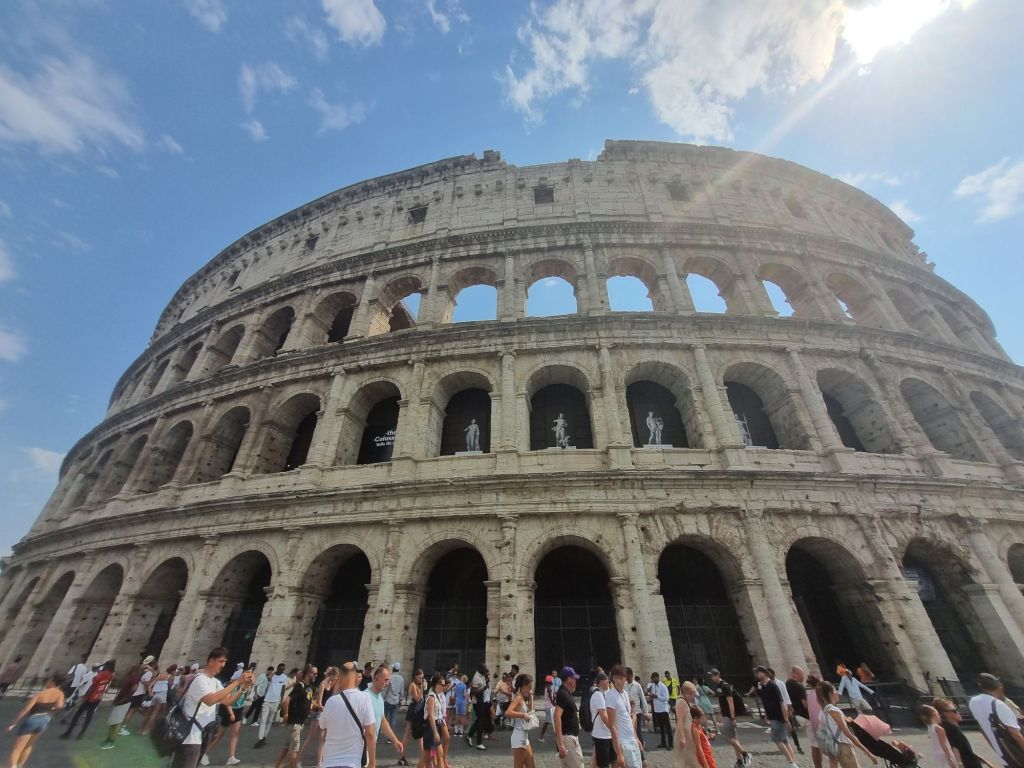
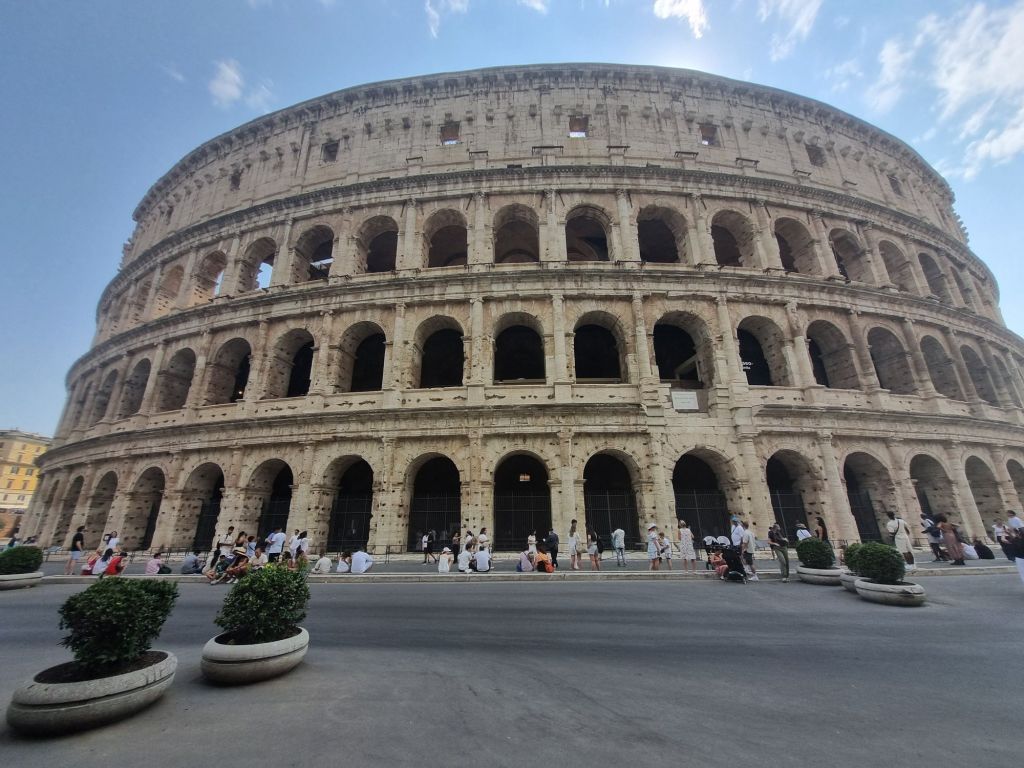


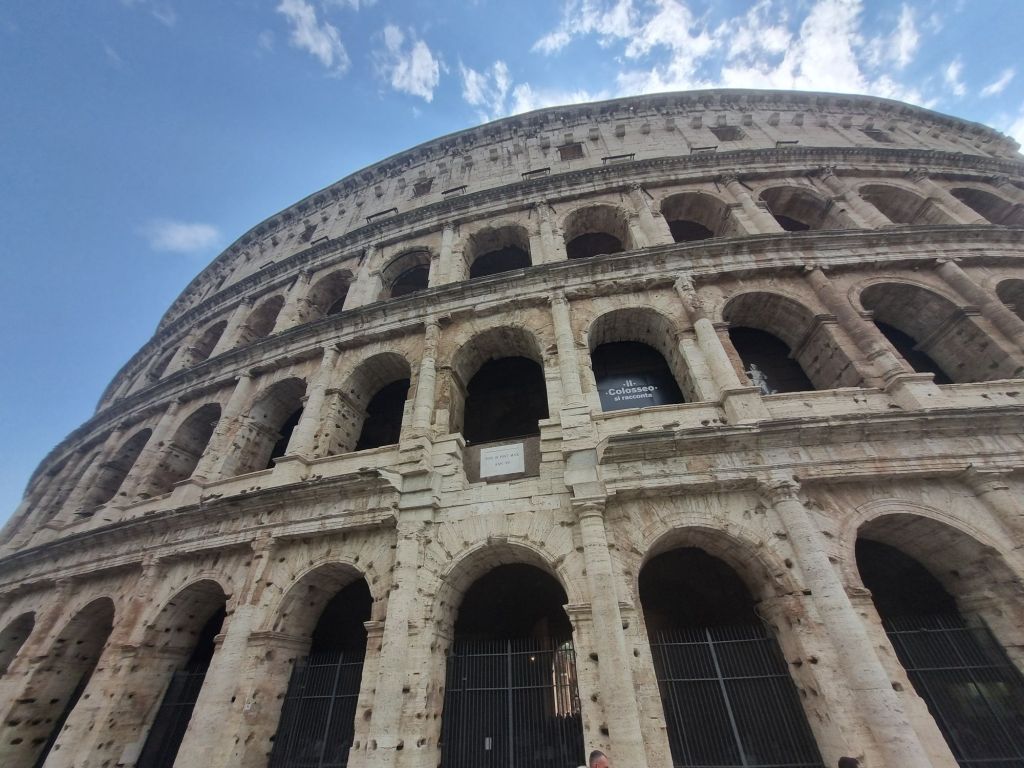

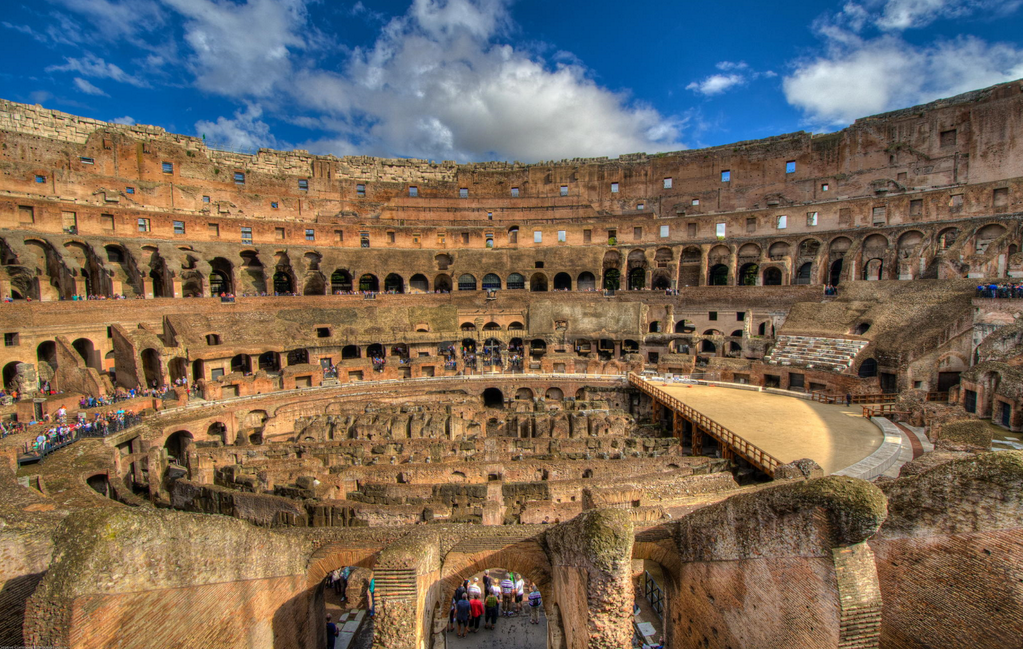
As you know, the Colosseum is a historical arena that was completed in 80 AD during the reign of Emperor Titus and was chosen as one of the New Seven Wonders of the World in 2007. The structure has been famous all over the world for gladiator fights, in which wild animals were also an active factor, for centuries. Just as people today have fun with their families by going to the cinema, reading books, and attending to the operas, in ancient times, the method of entertainment for emperors and ordinary people was to see people or animals struggle to survive in these arenas or to go to amphitheaters. Apart from these, the Colosseum had other purposes. For example, many public shows, mock sea battles, animal hunting, executions, re-enactments of famous battles, and dramas based on classical mythology were also performed in this structure.
The Colosseum was later used for various purposes such as a place of shelter, a group of shops, religious barracks, a fortification, a quarry, and a Christian shrine. The etymological origin of the Colosseum comes from the Italian word “colossale”, meaning huge and large, but in practice its main purpose was to display a colossal statue of Emperor Nero in this monument.
In Rome, opposite the Colosseum is the Arch of Constantine, built to commemorate the emperor’s victory, and a little further on is the Roman Forum. Unfortunately, the Colosseum is a very popular landmark worldwide, and therefore the queue to enter the monument is very long. In order to prevent such a situation, it is essential to buy a 3-day tourist museum pass, which is valid for all museums in Rome, and also to buy a short-term bus pass to provide transportation between these places. In addition, these tickets provide unprecedented time-saving opportunities, such as getting to the front of the queue.
2) Roman Forum
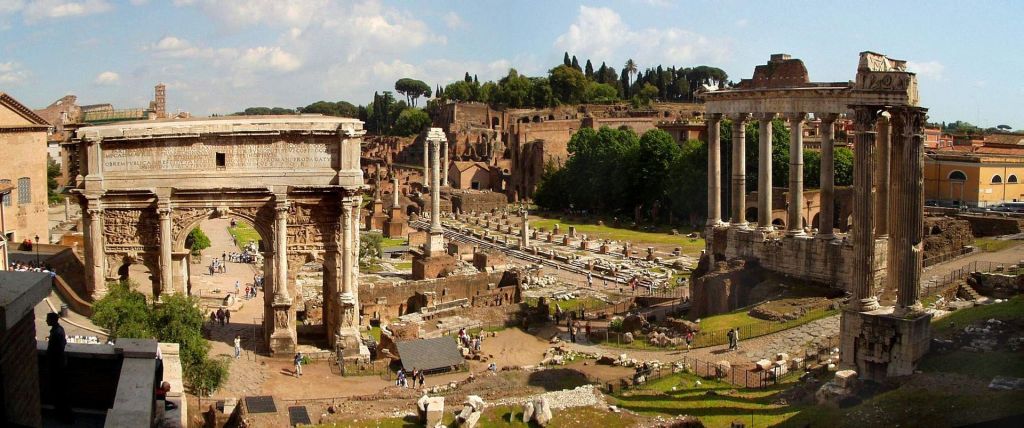


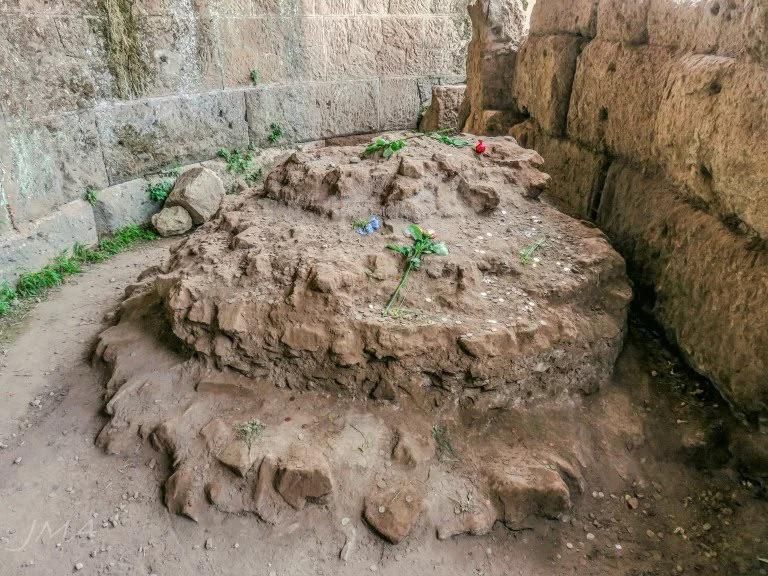
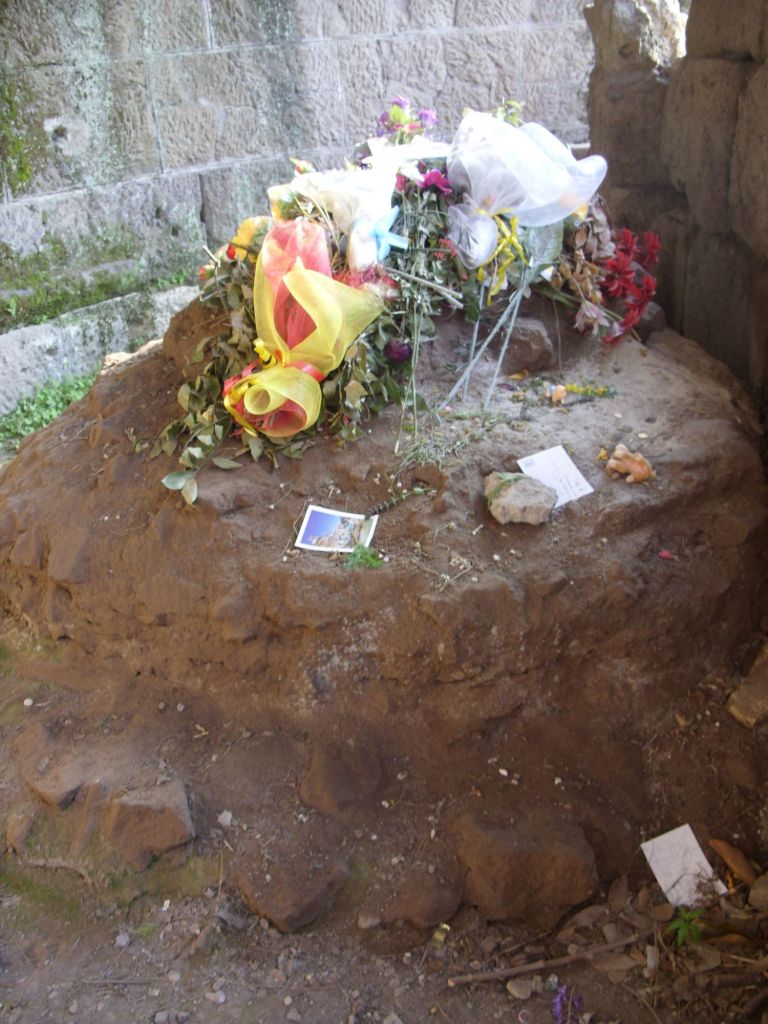
Bonus: Tomb of Julius Caesar
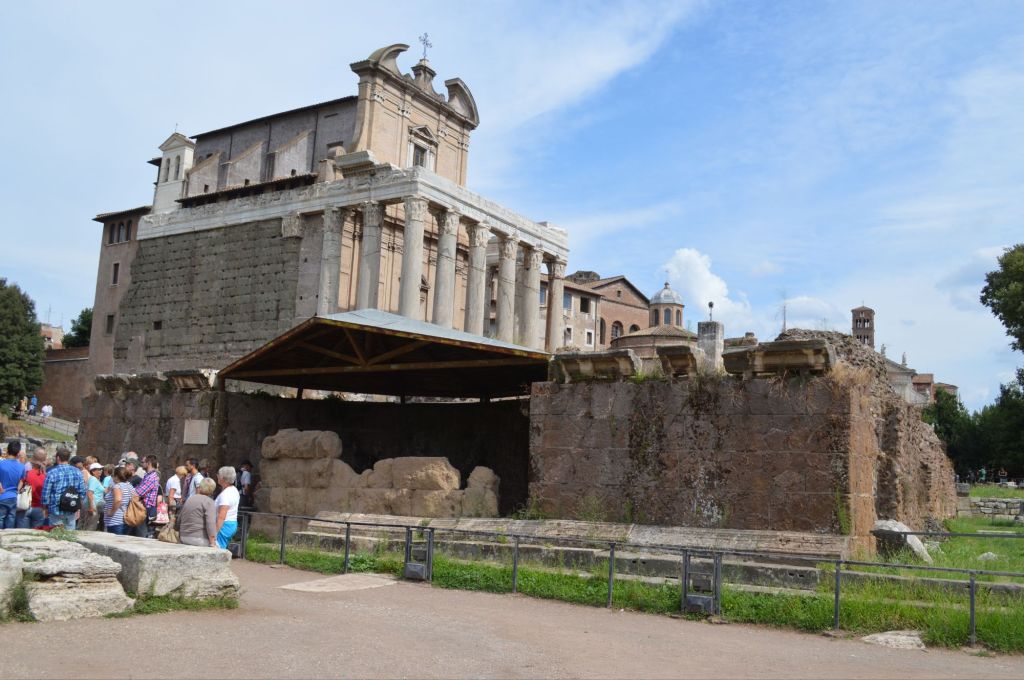
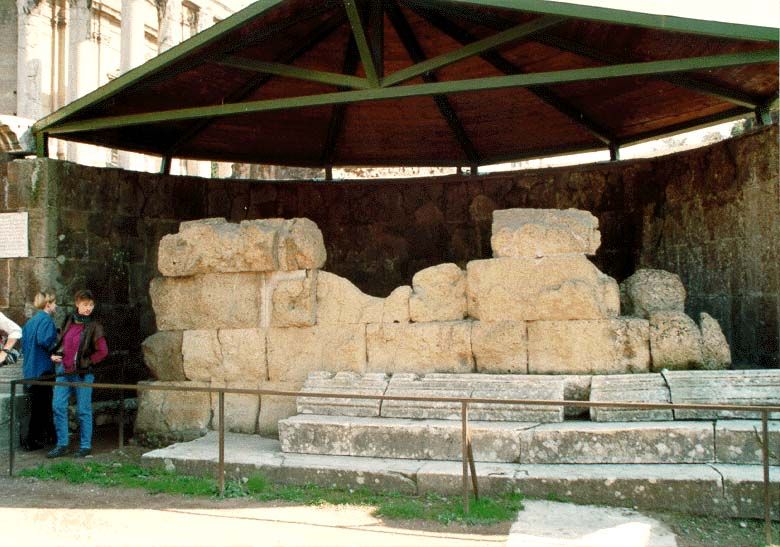
3) Triumphal Arch of Constantine

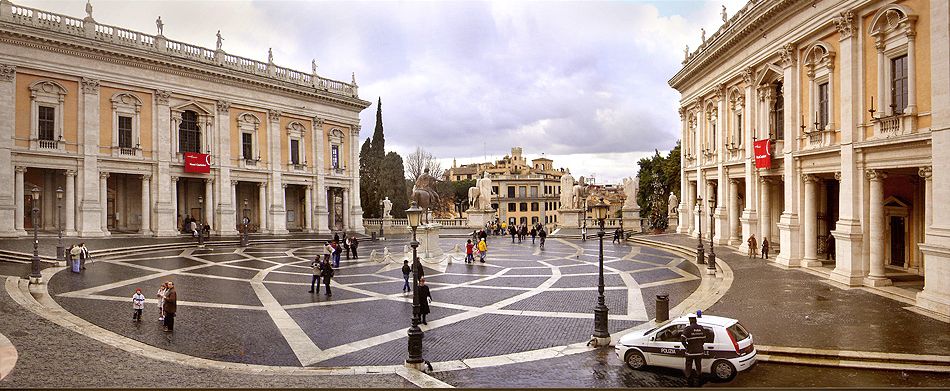
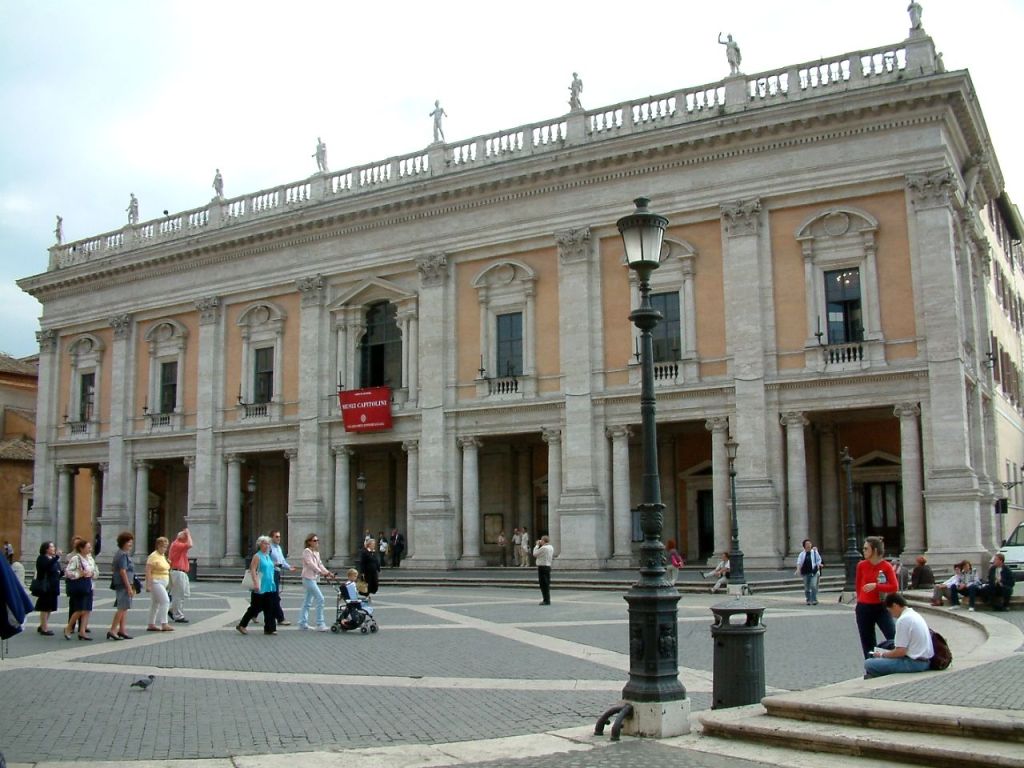
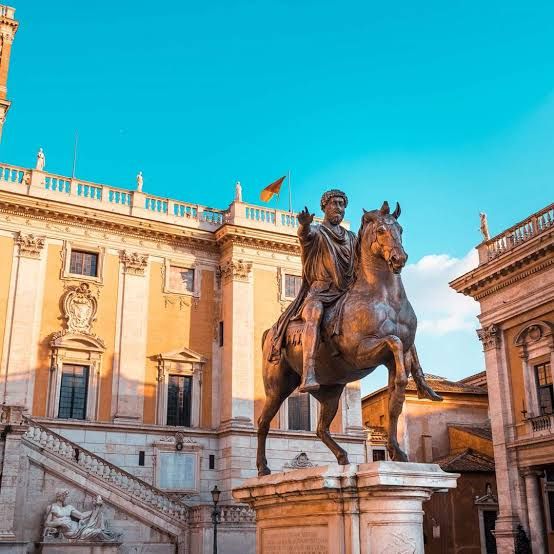
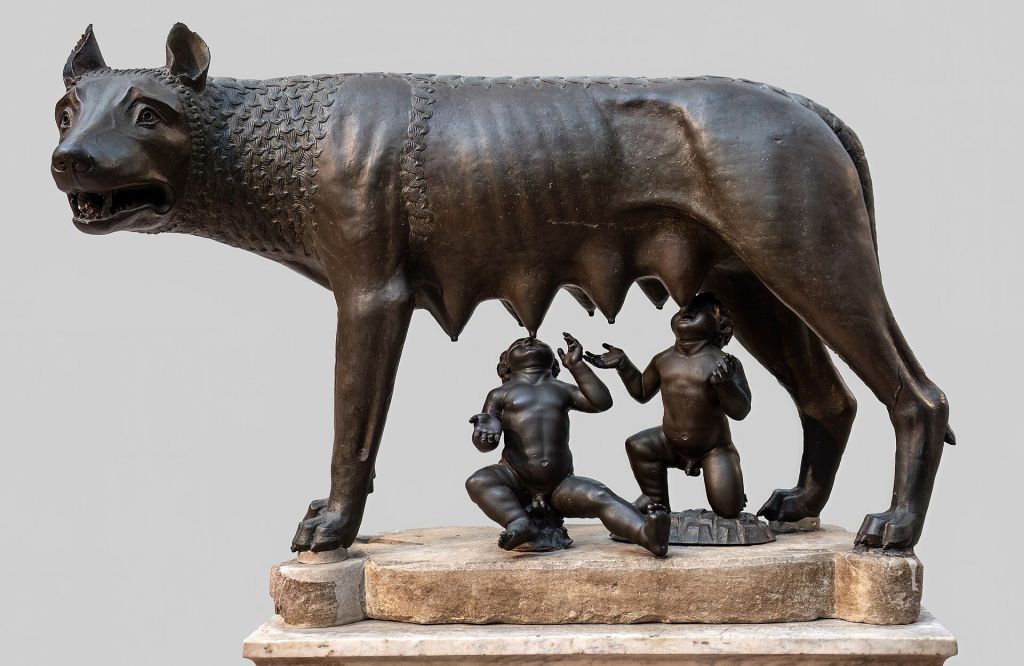
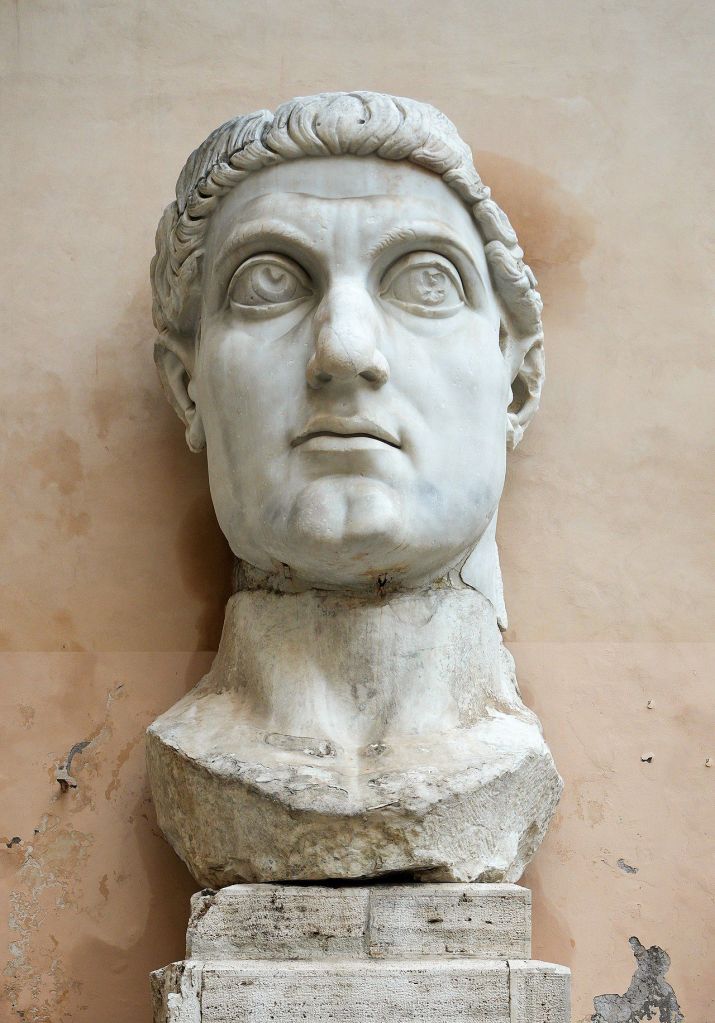
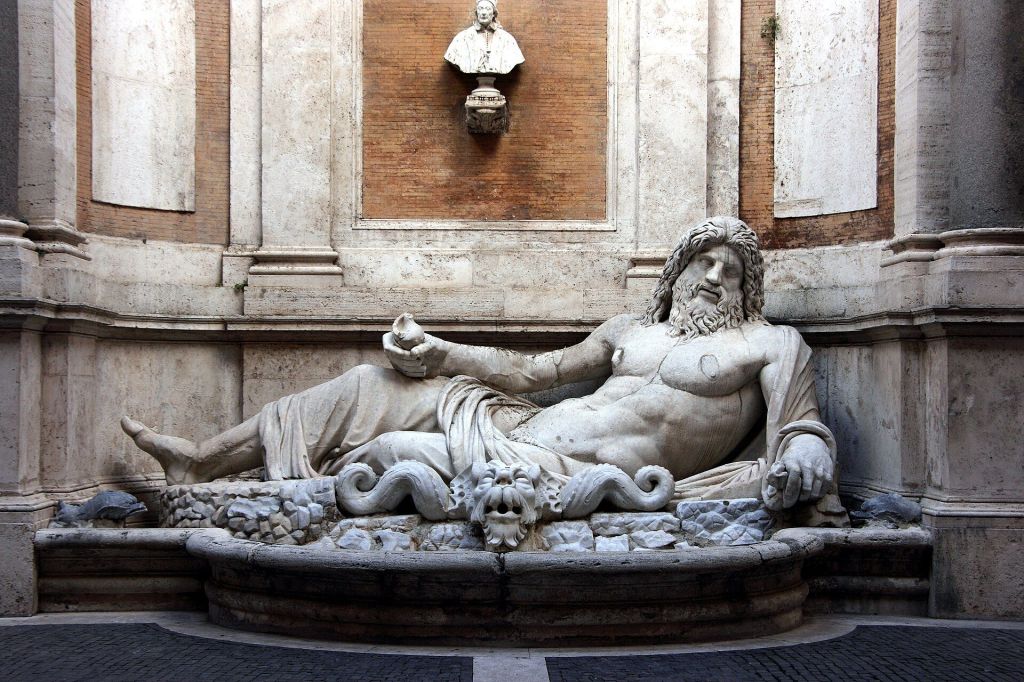
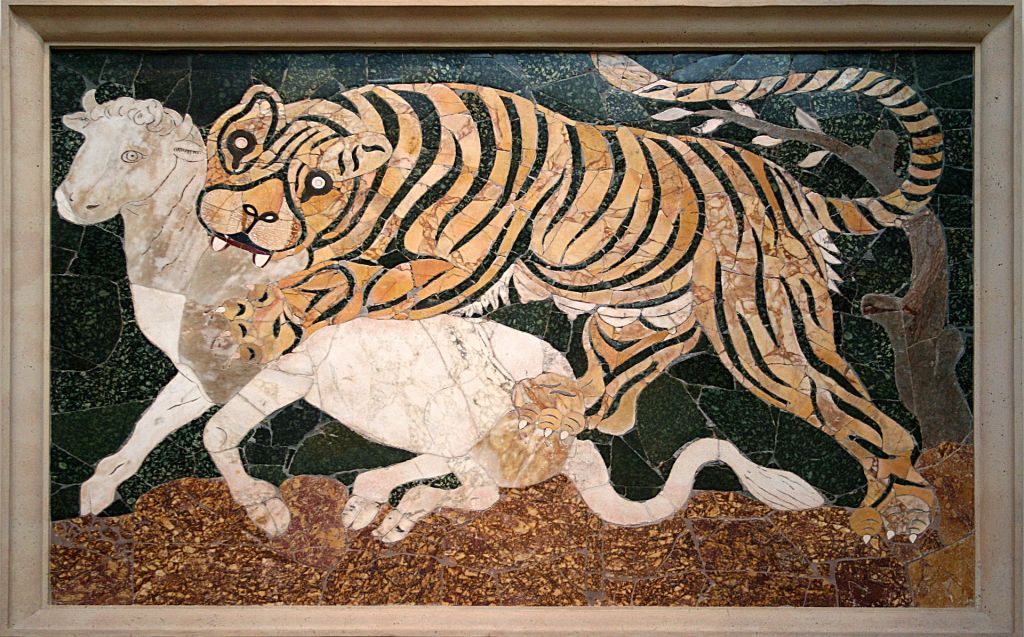
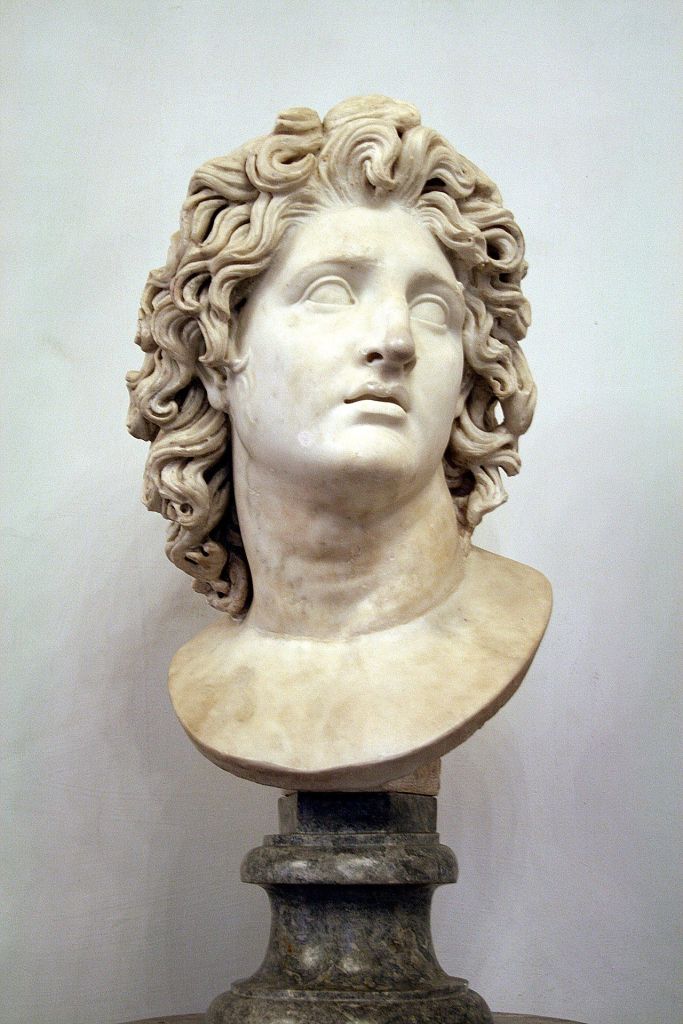
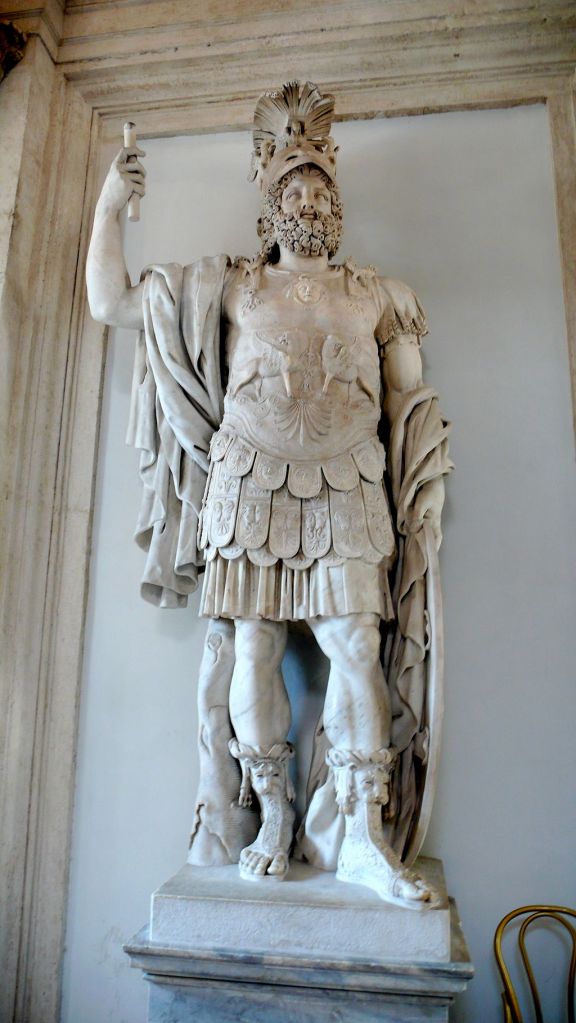
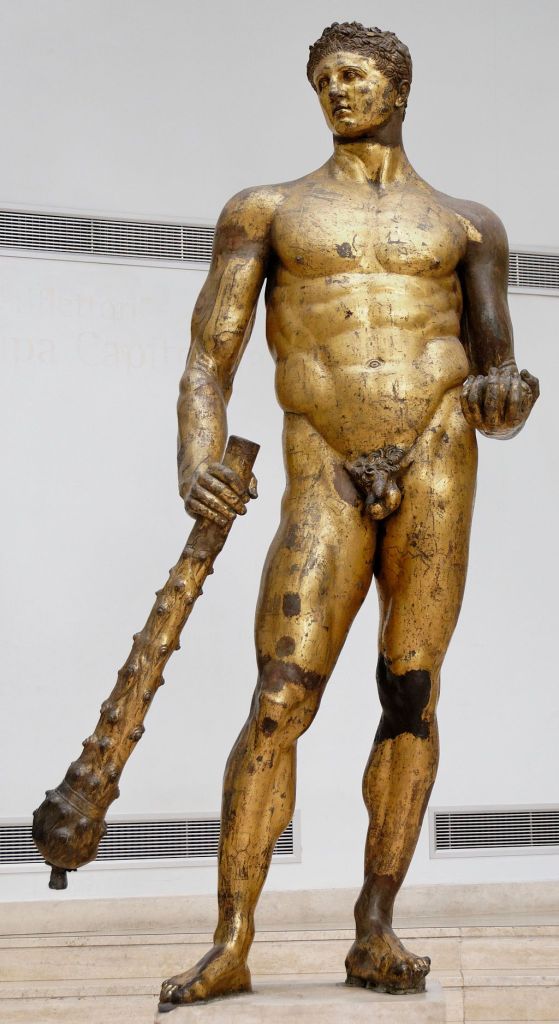
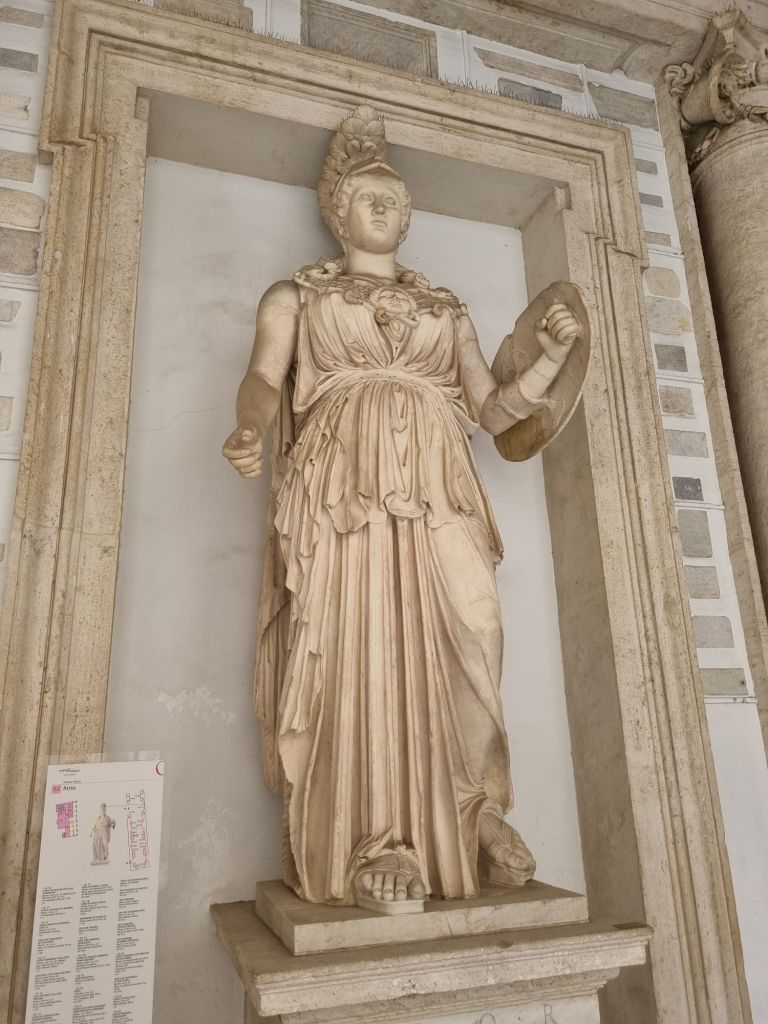
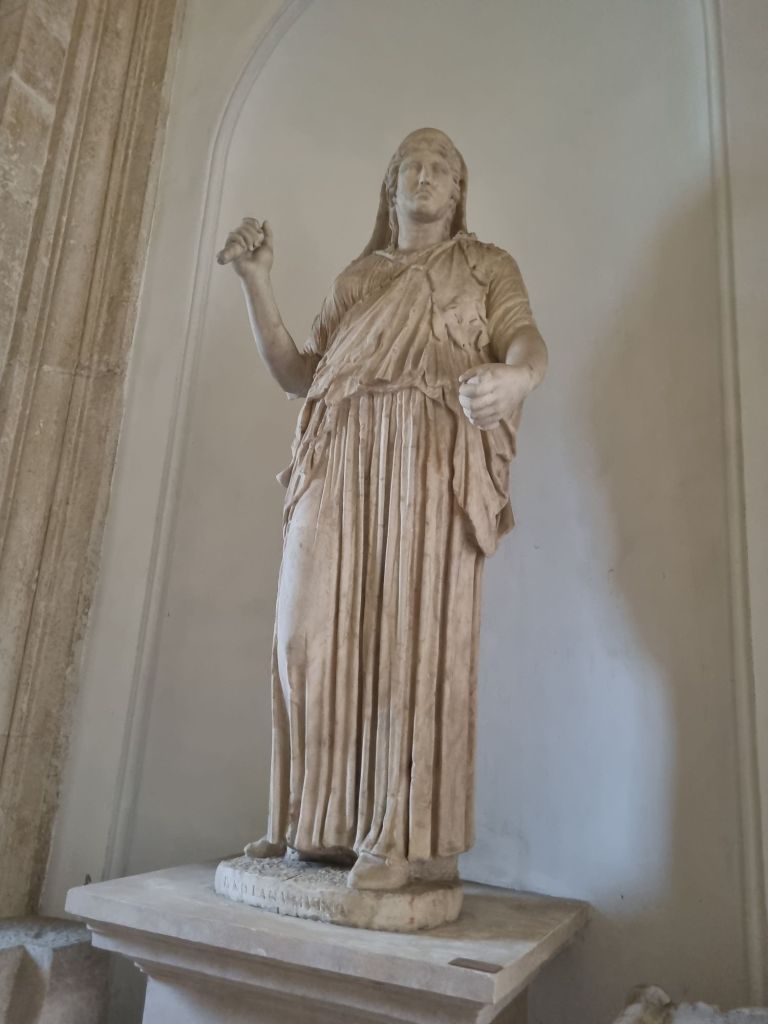
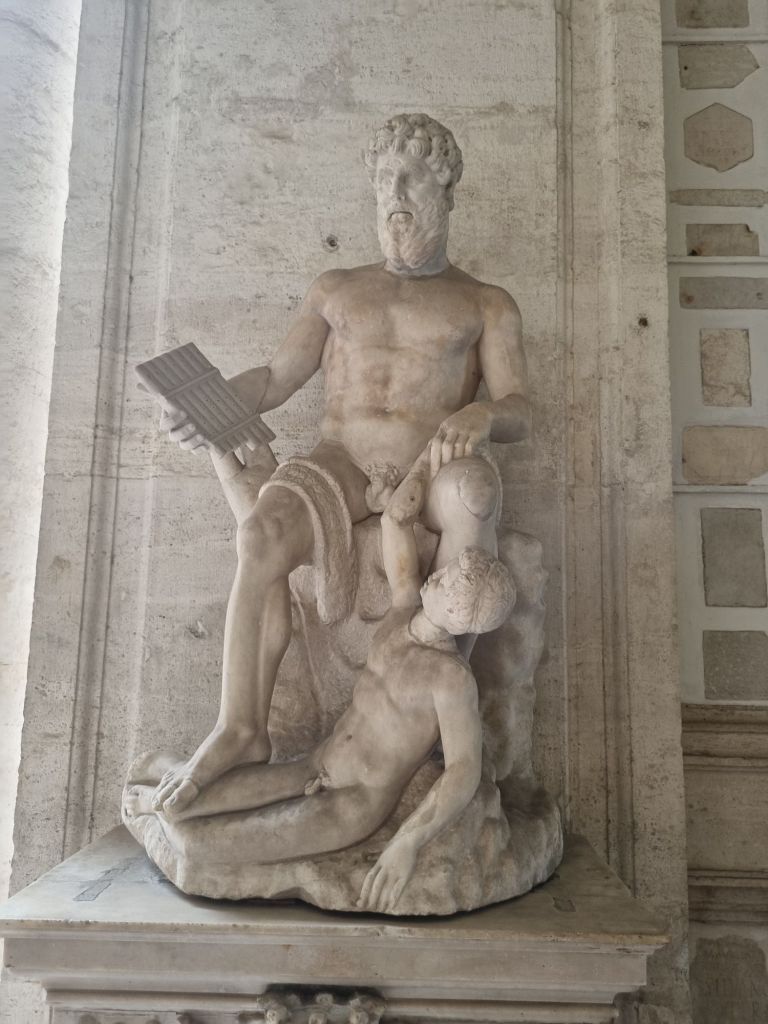
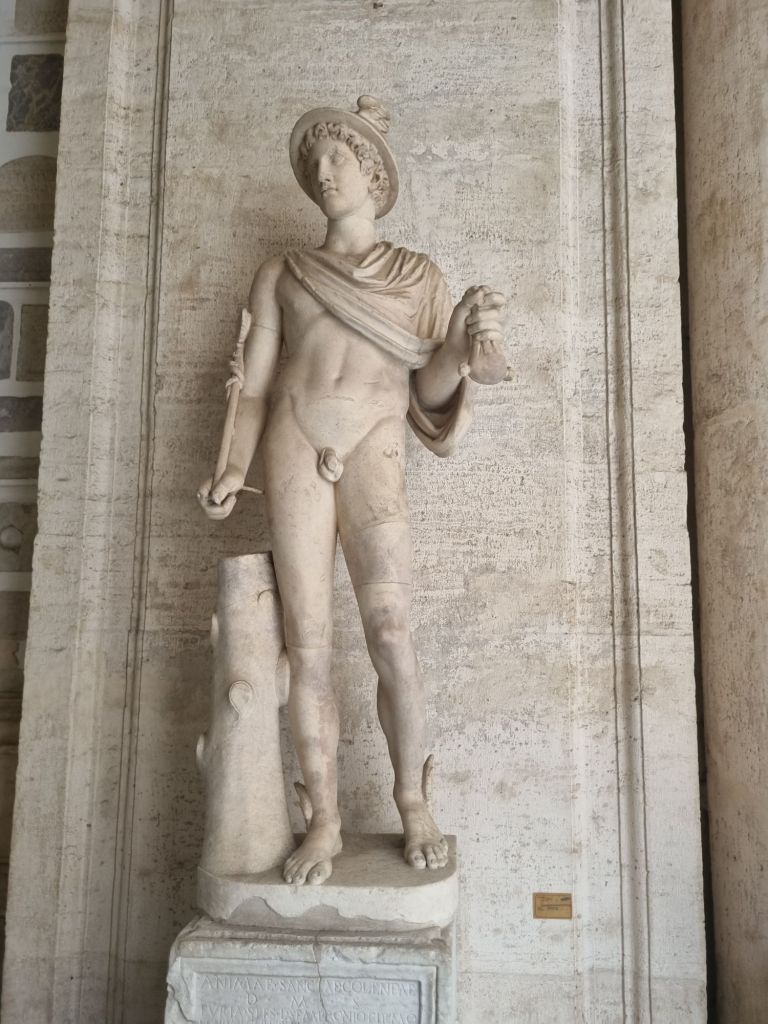
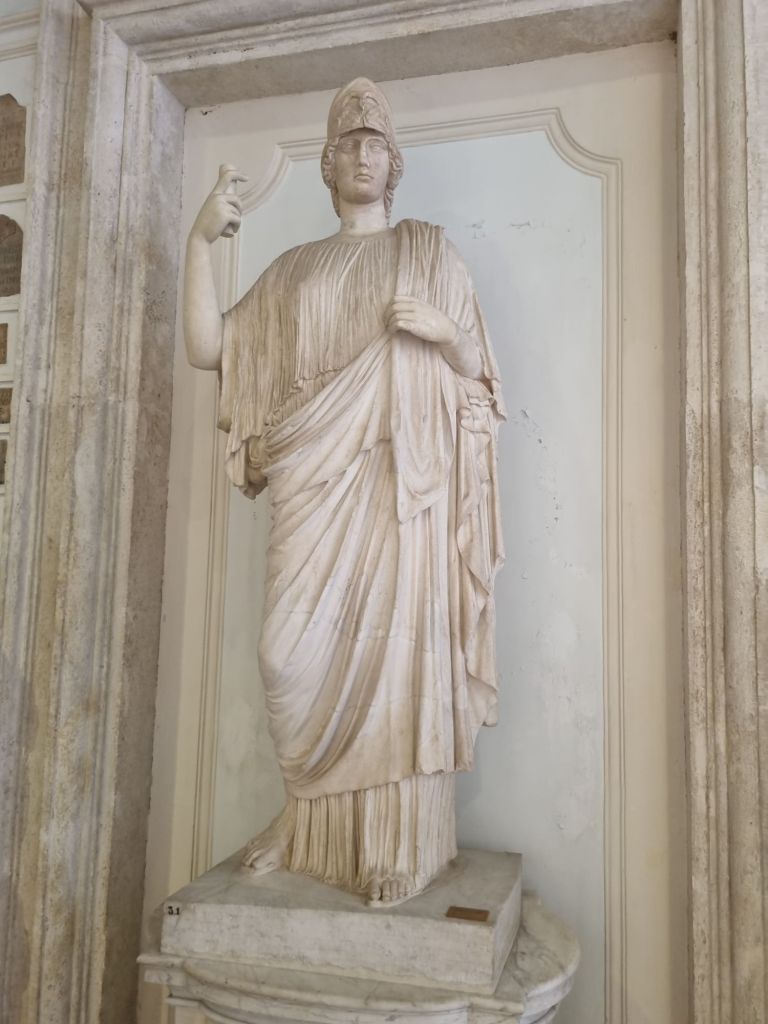
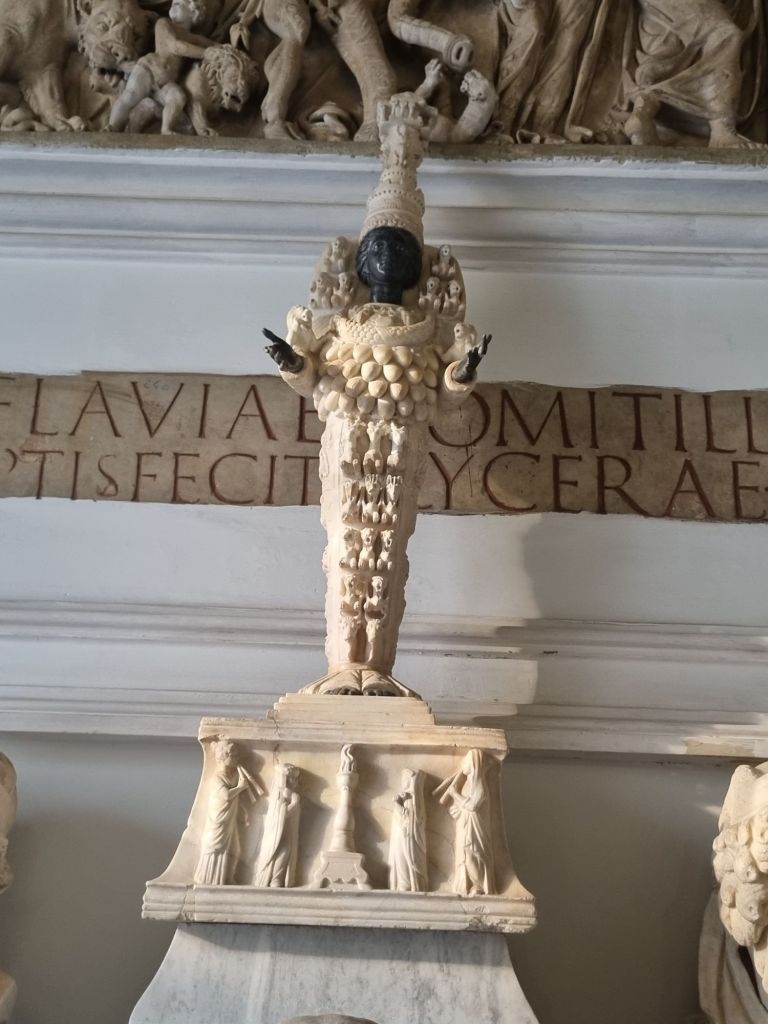
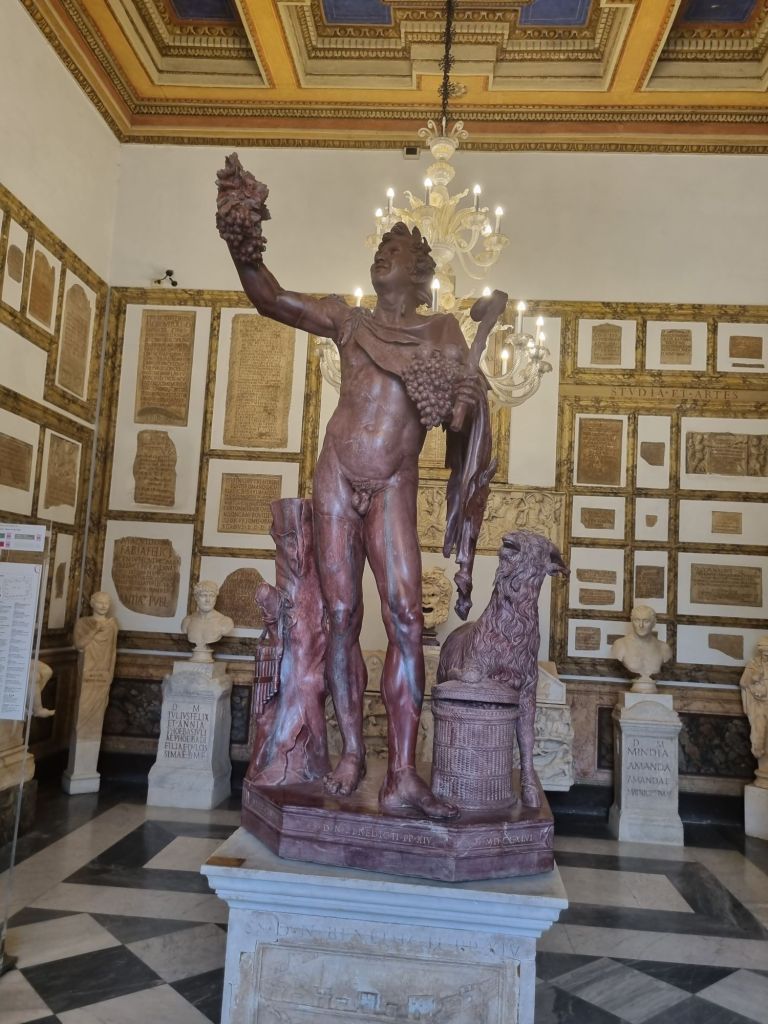
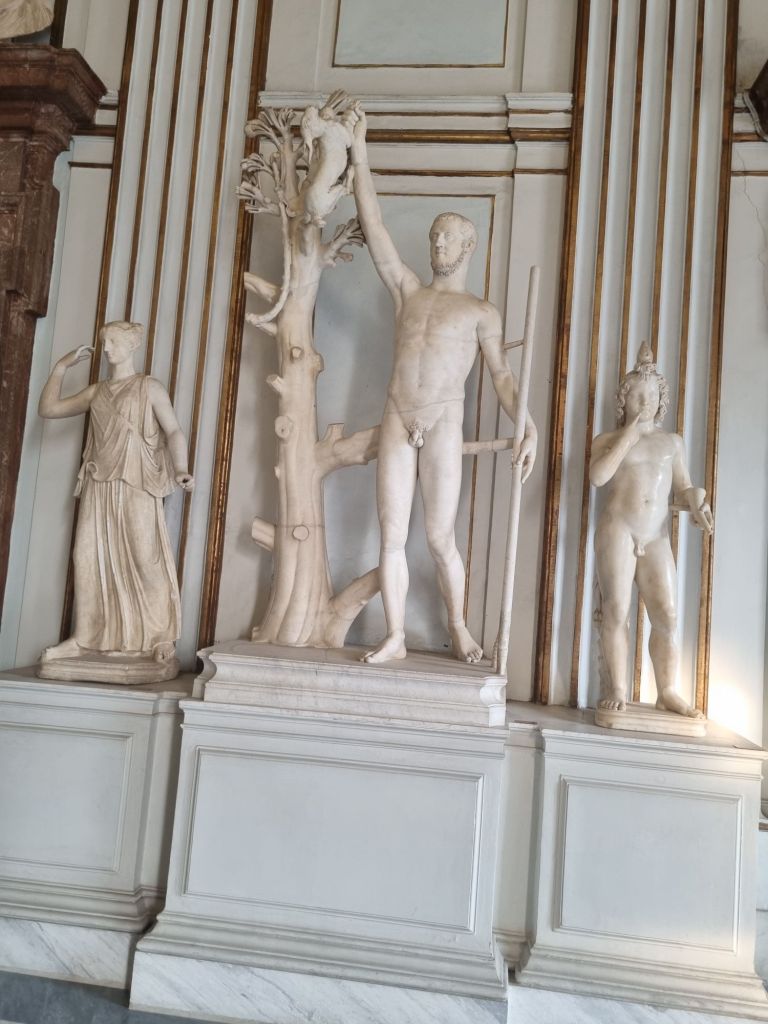
4) Capitoline Museums





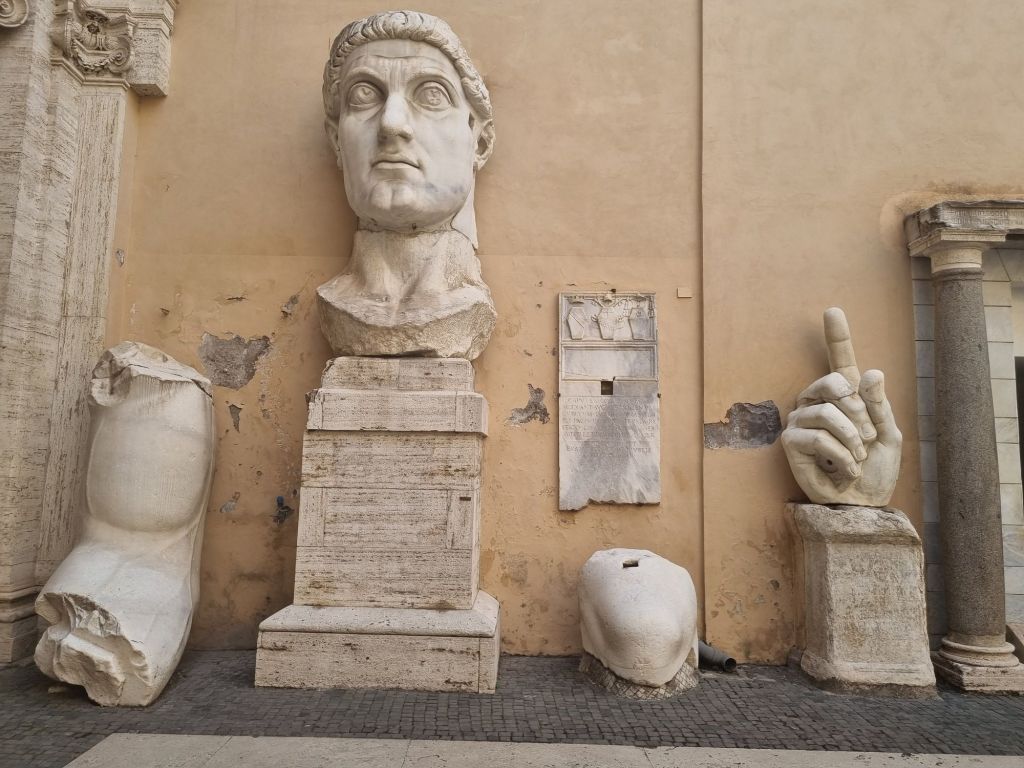


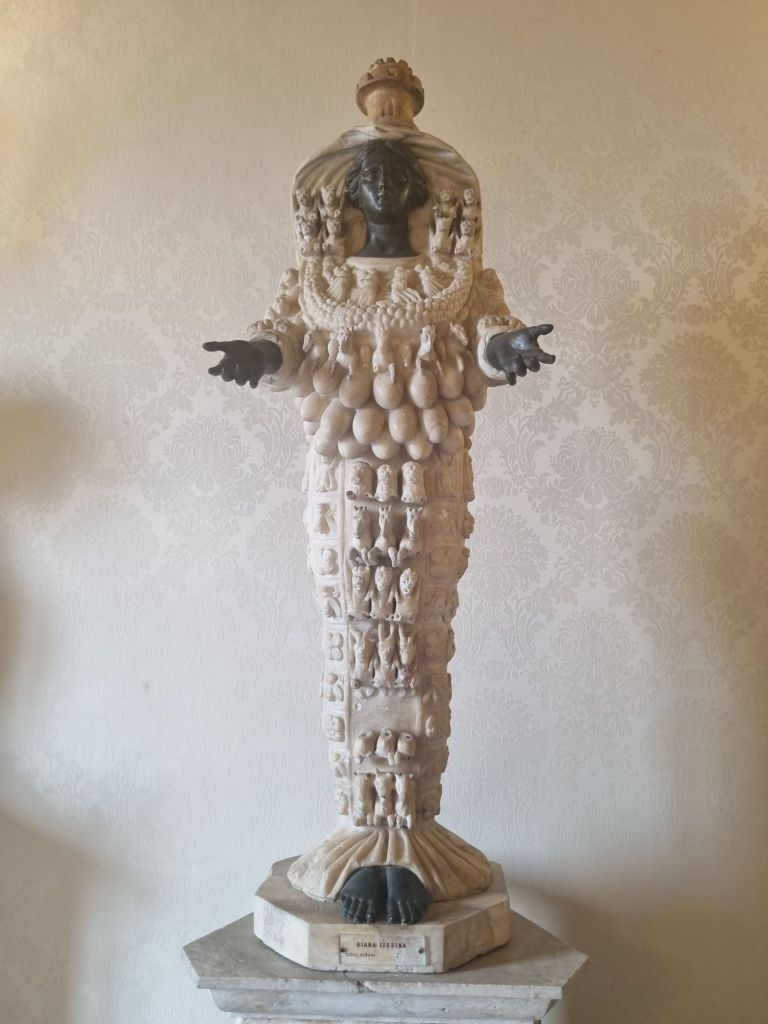
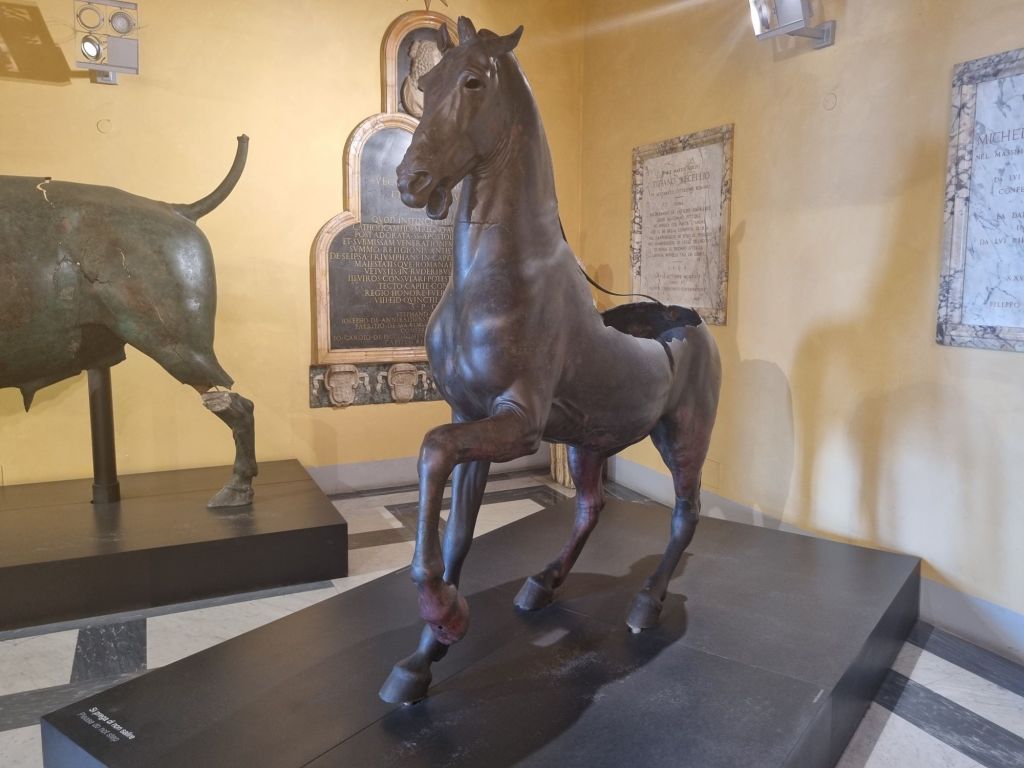
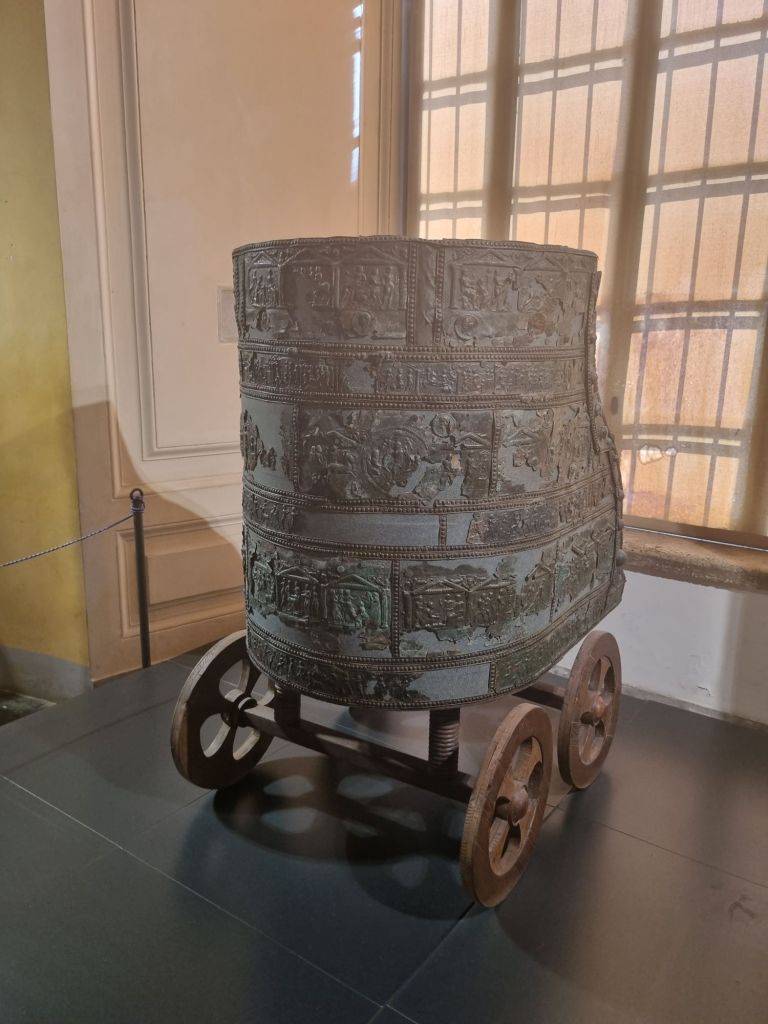


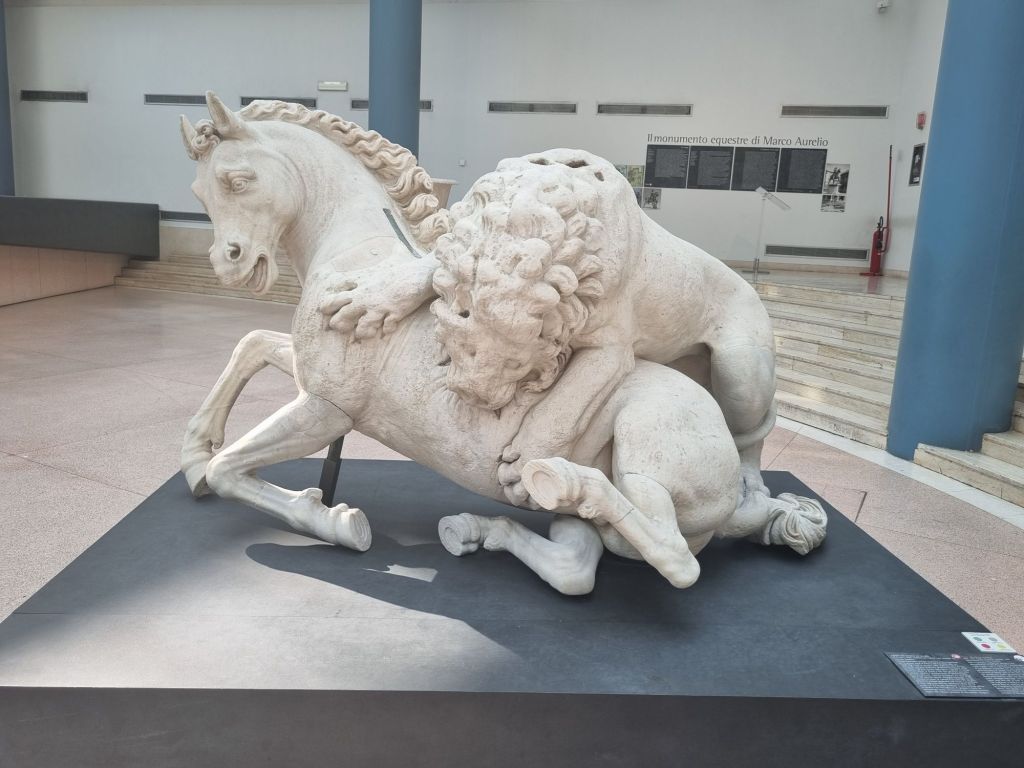
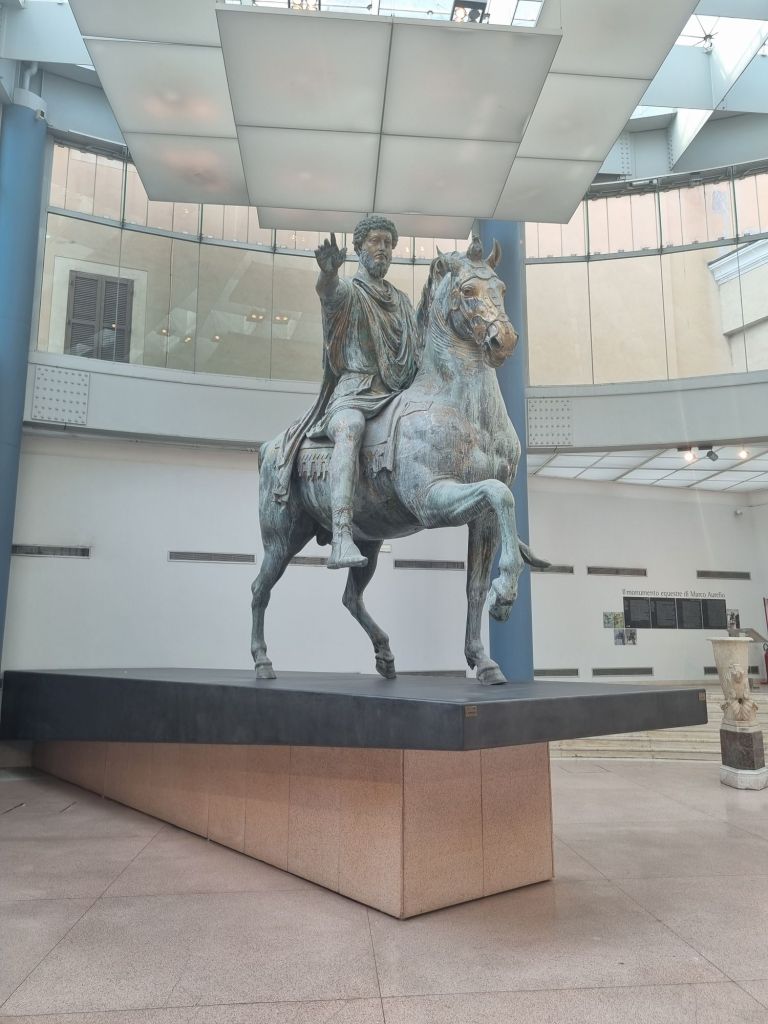

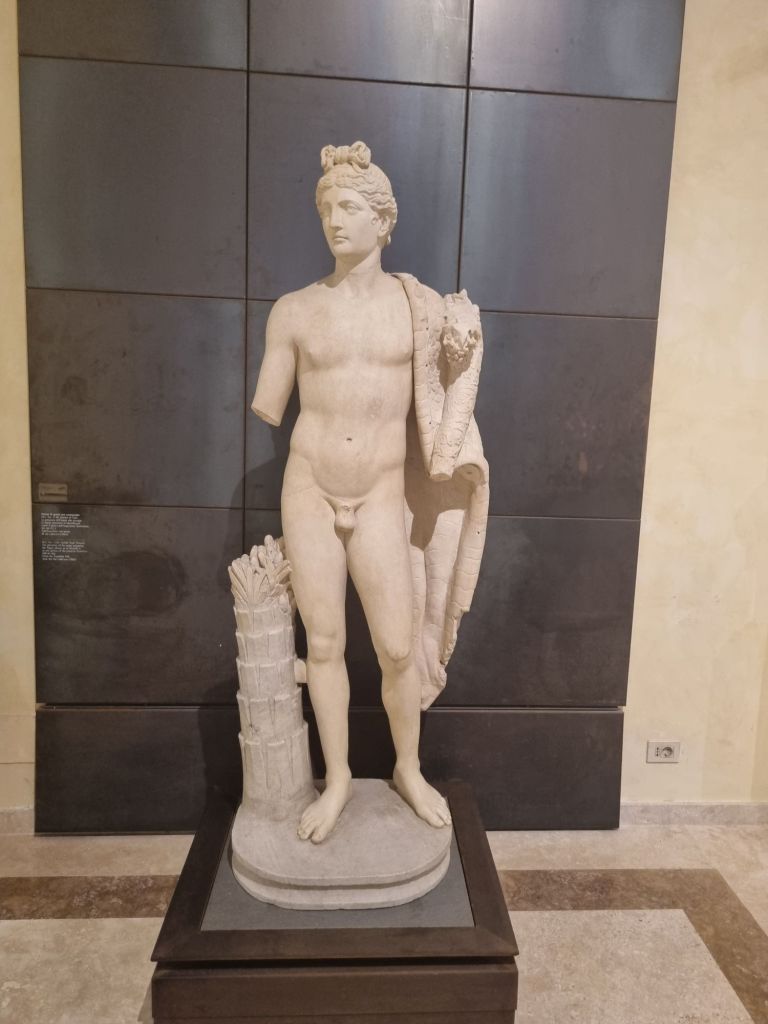
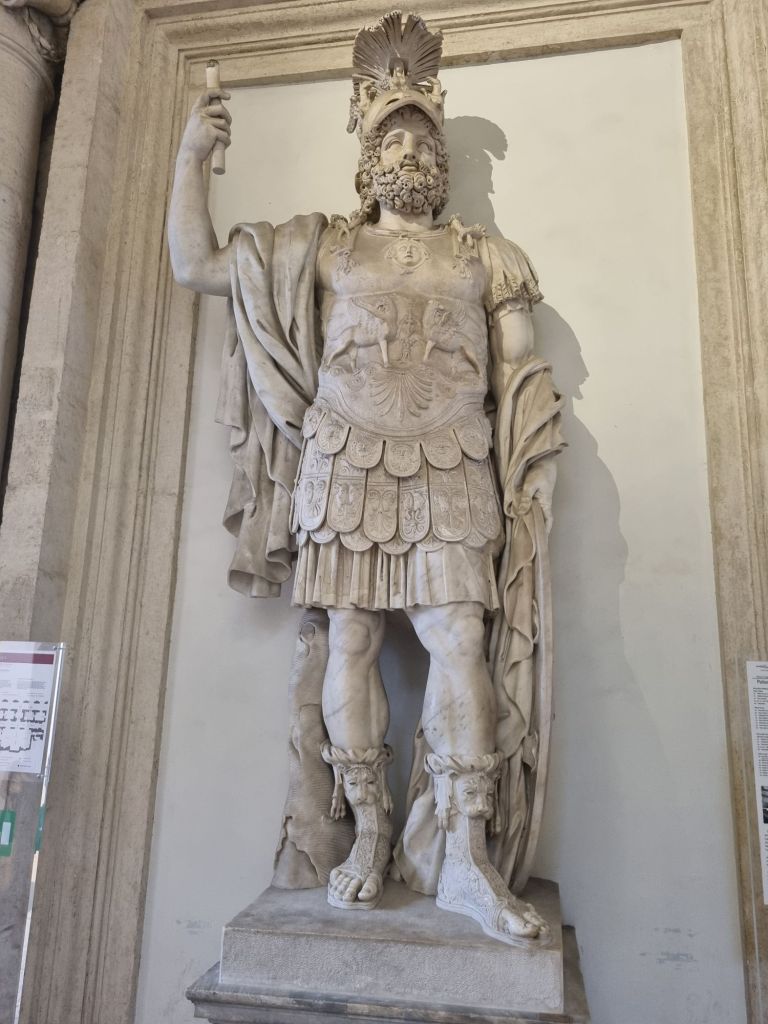
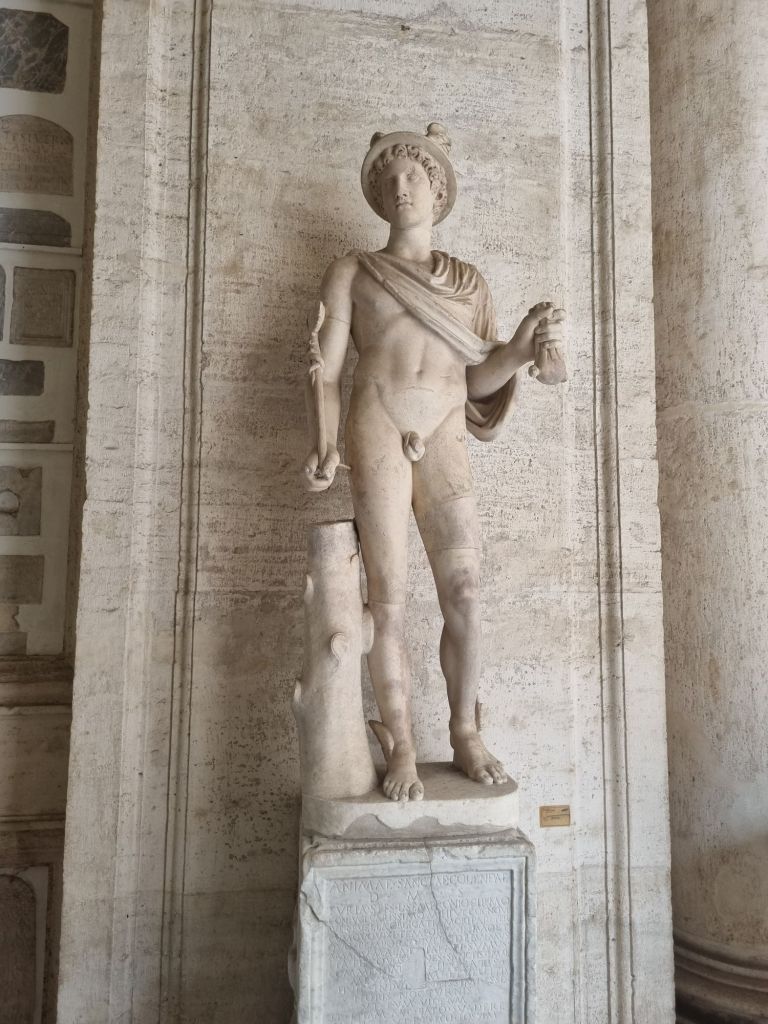
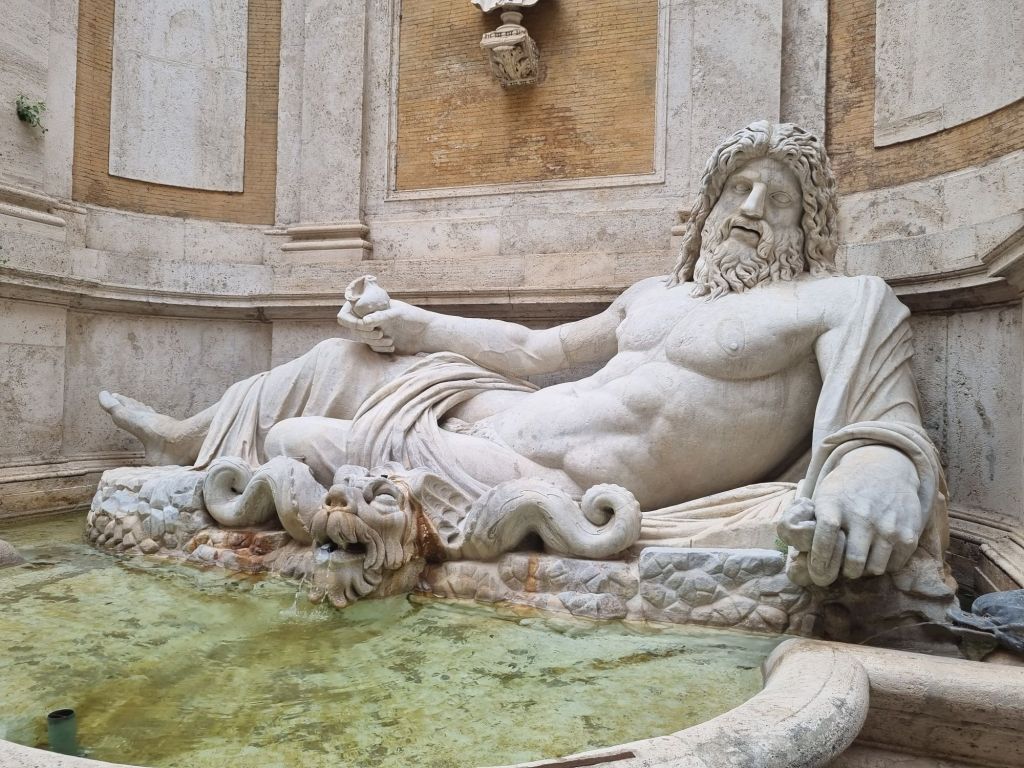
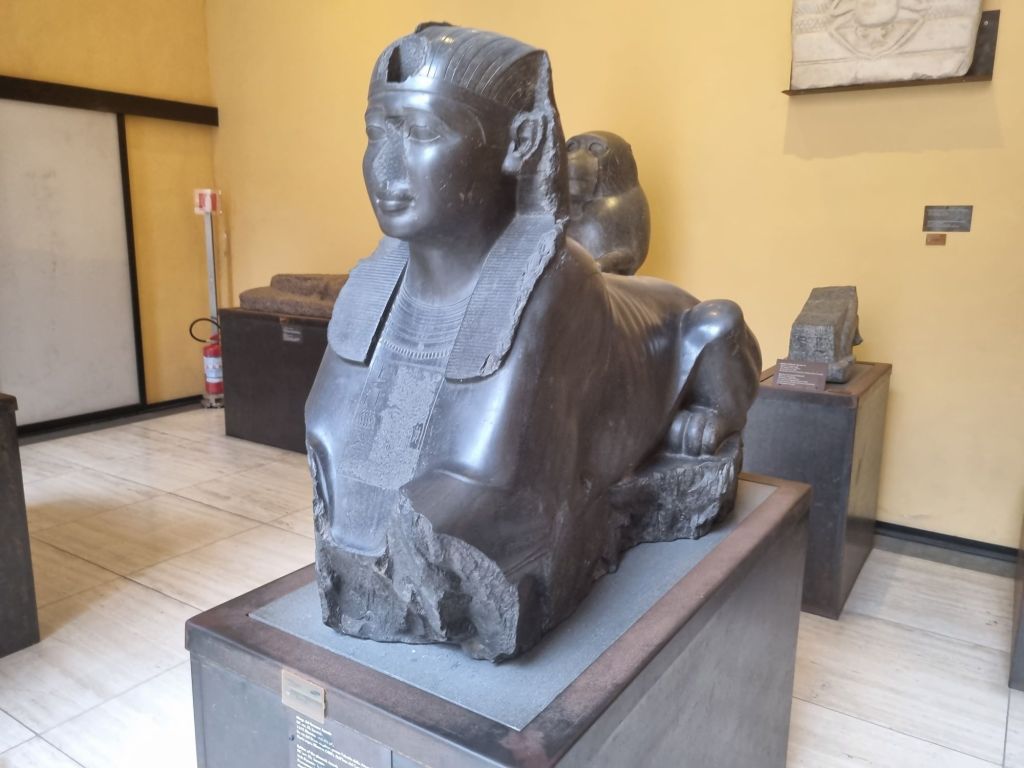

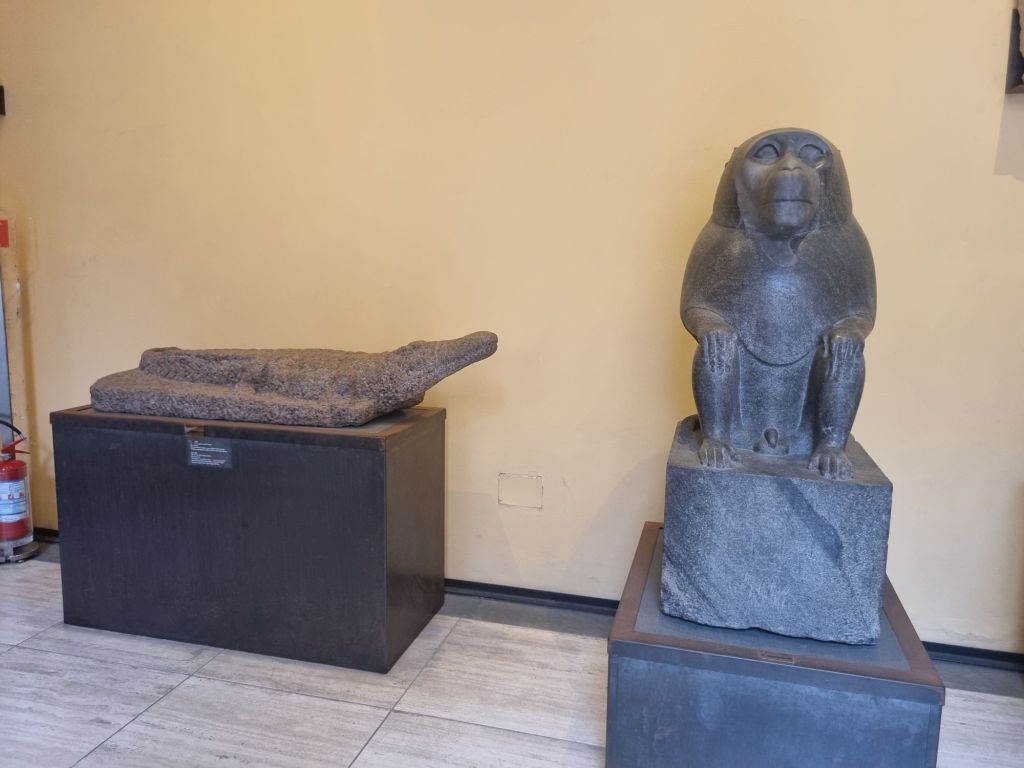
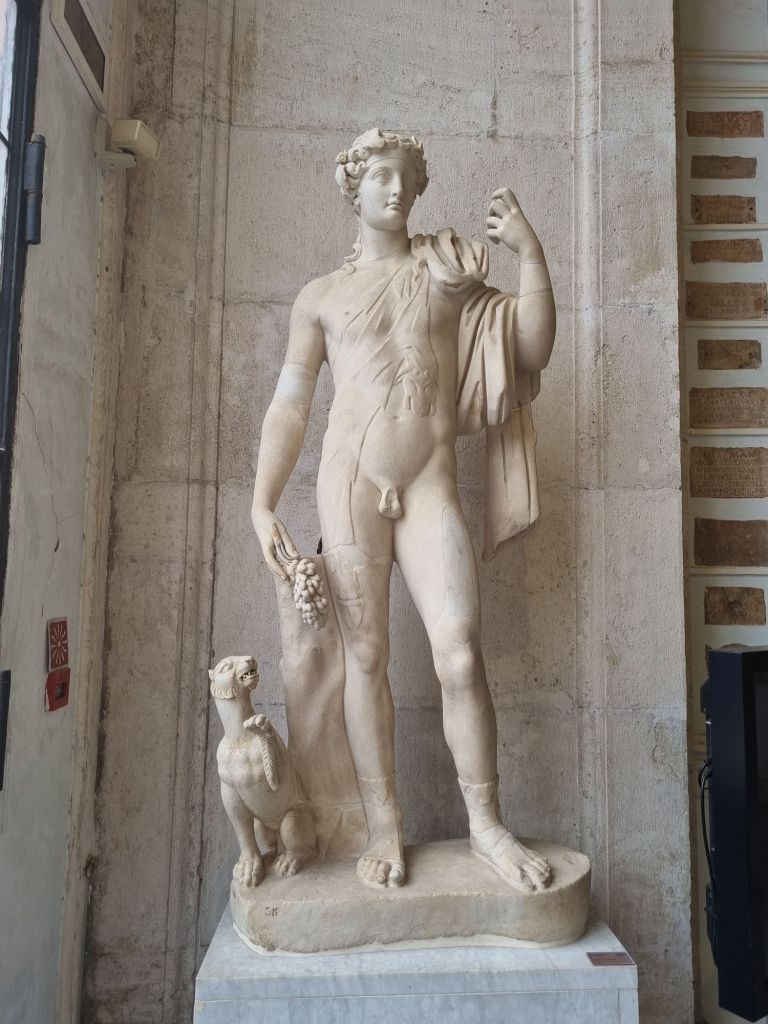

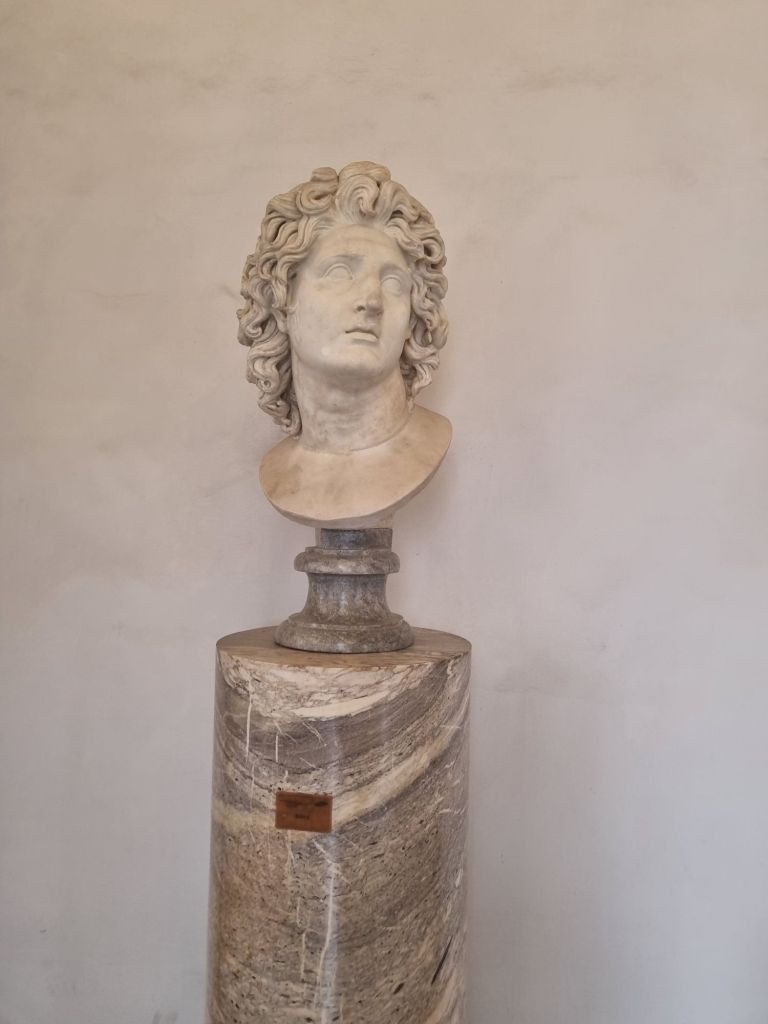

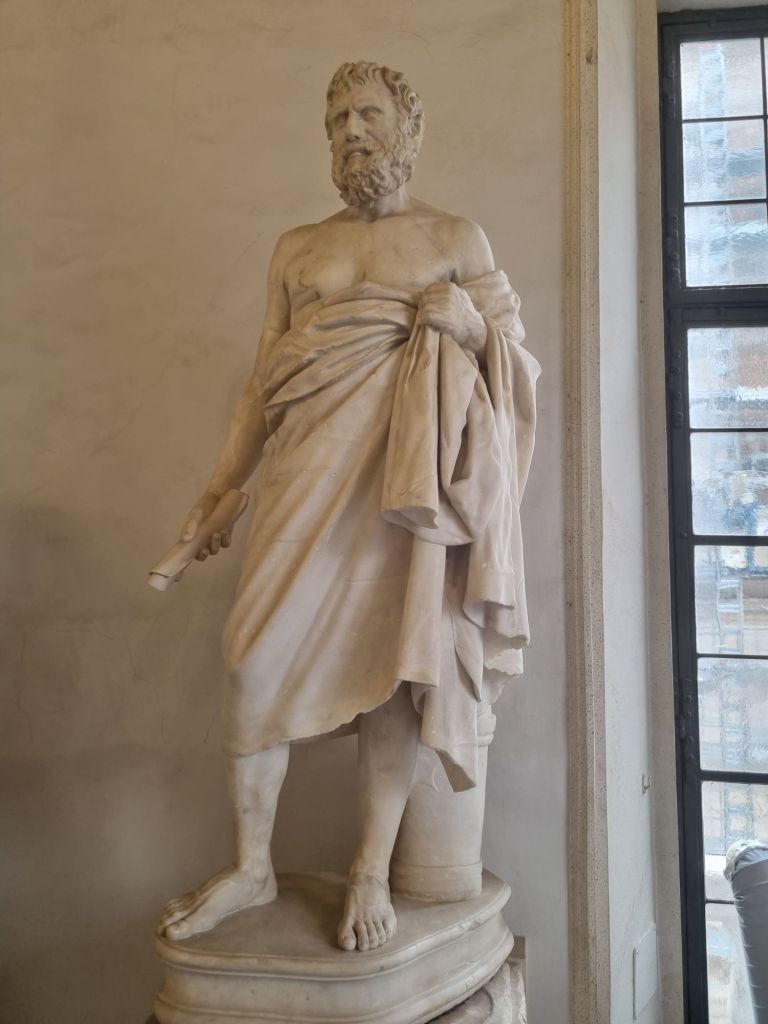

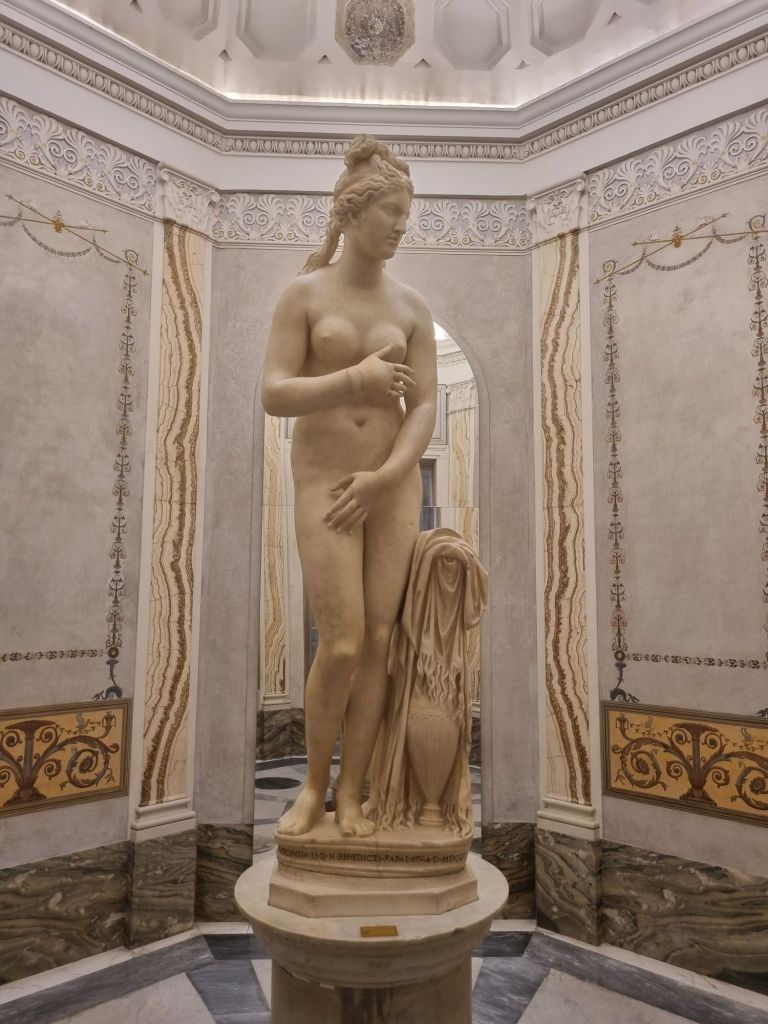

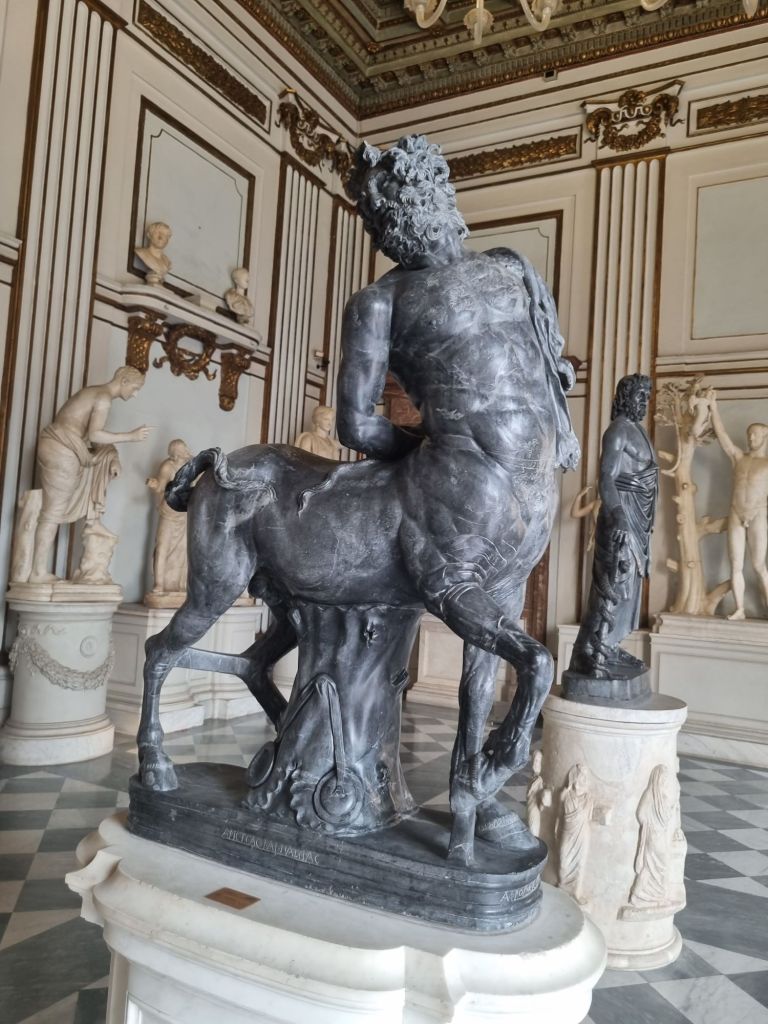

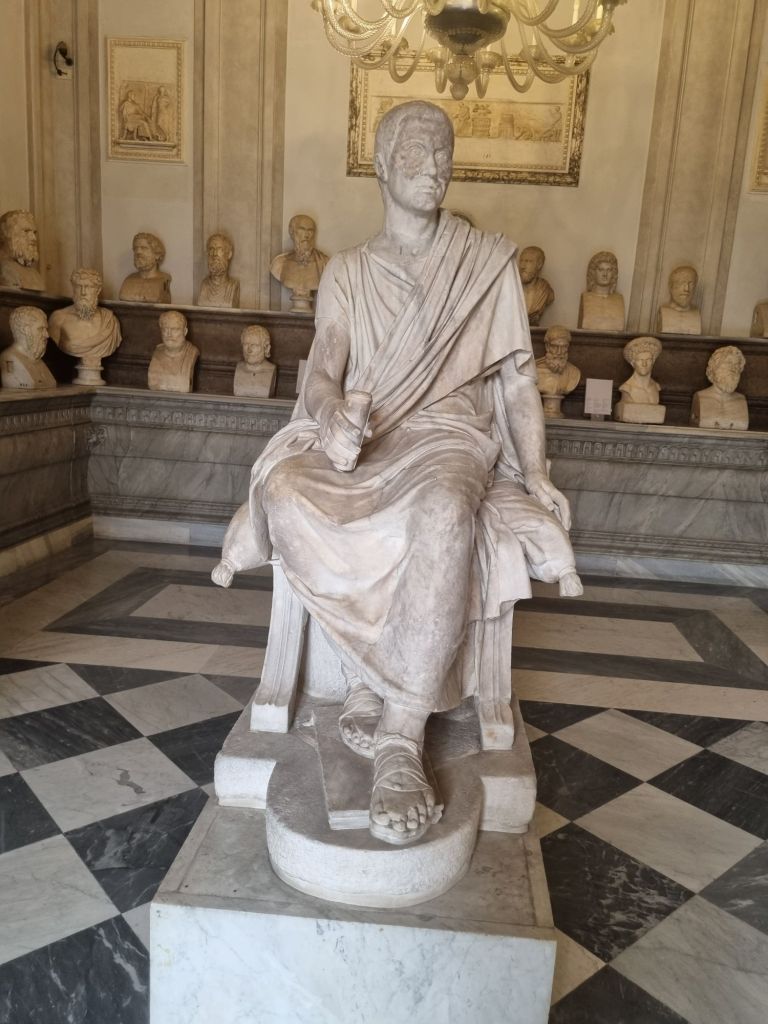
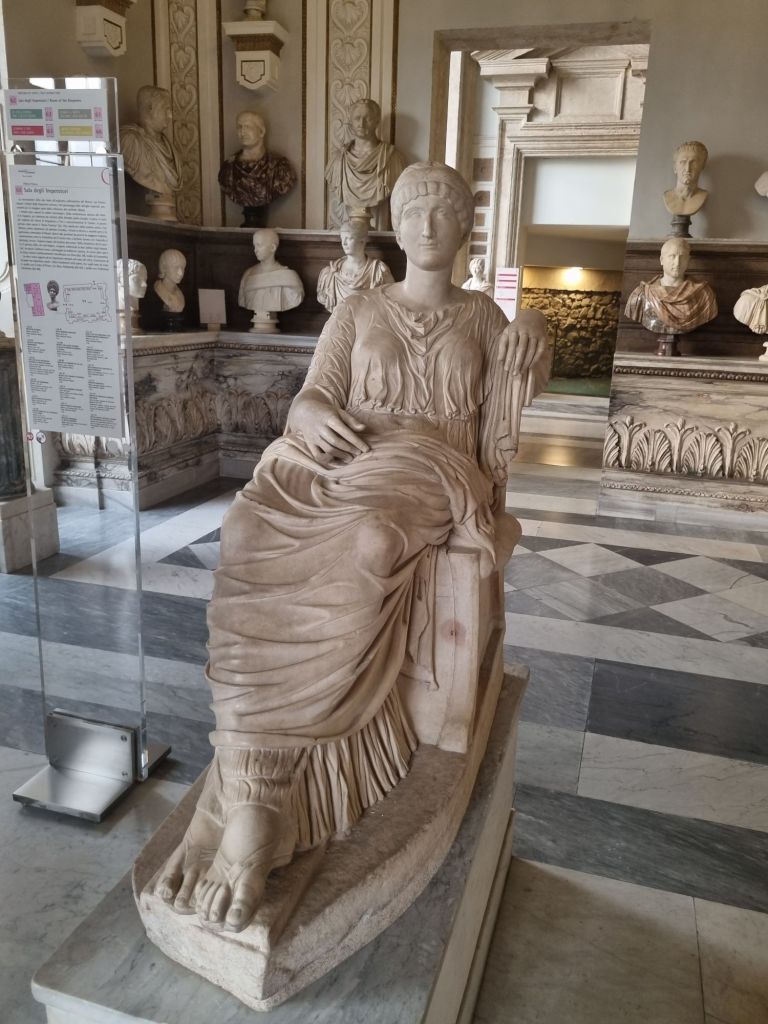

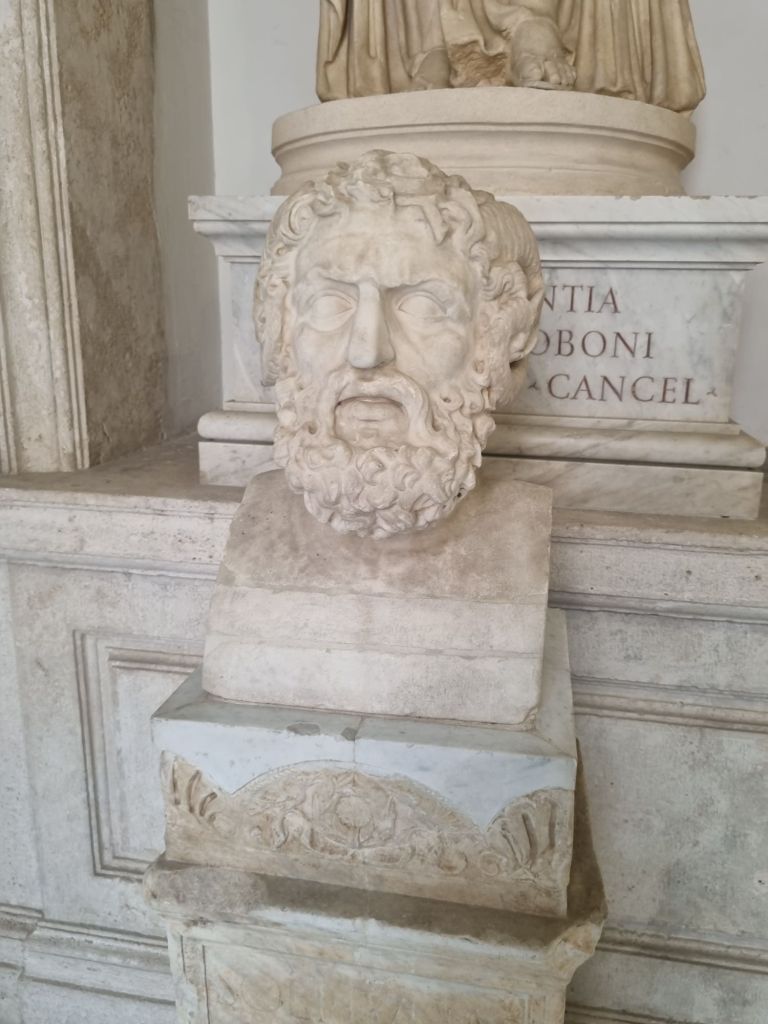

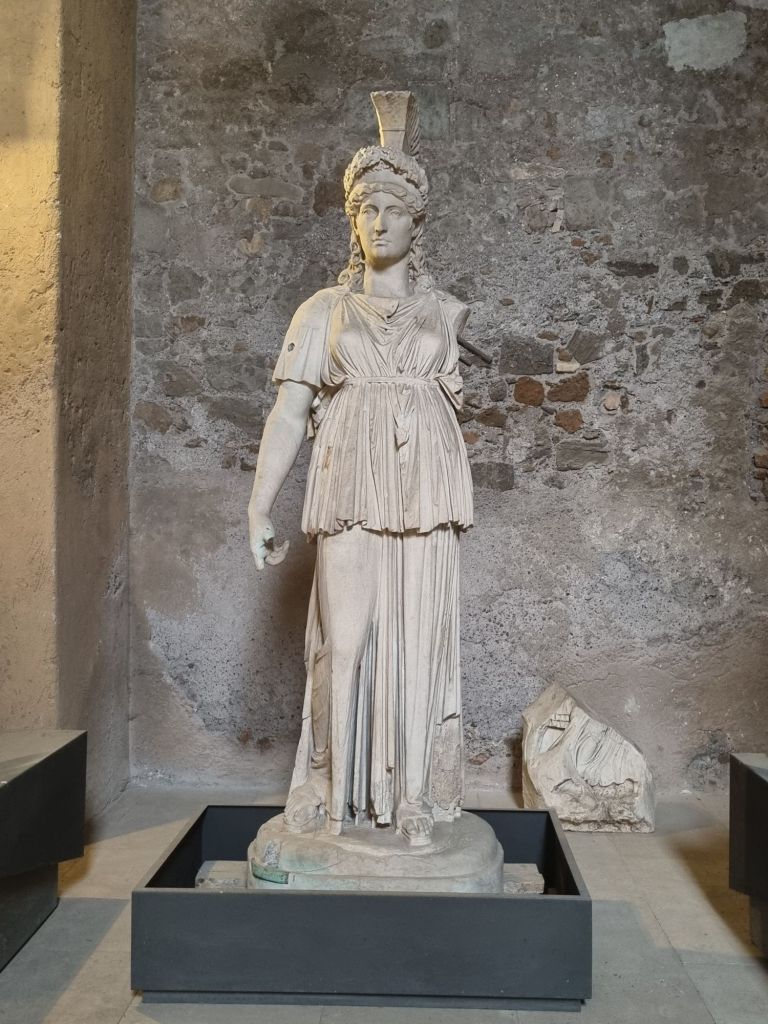
5) Trevi Fountain
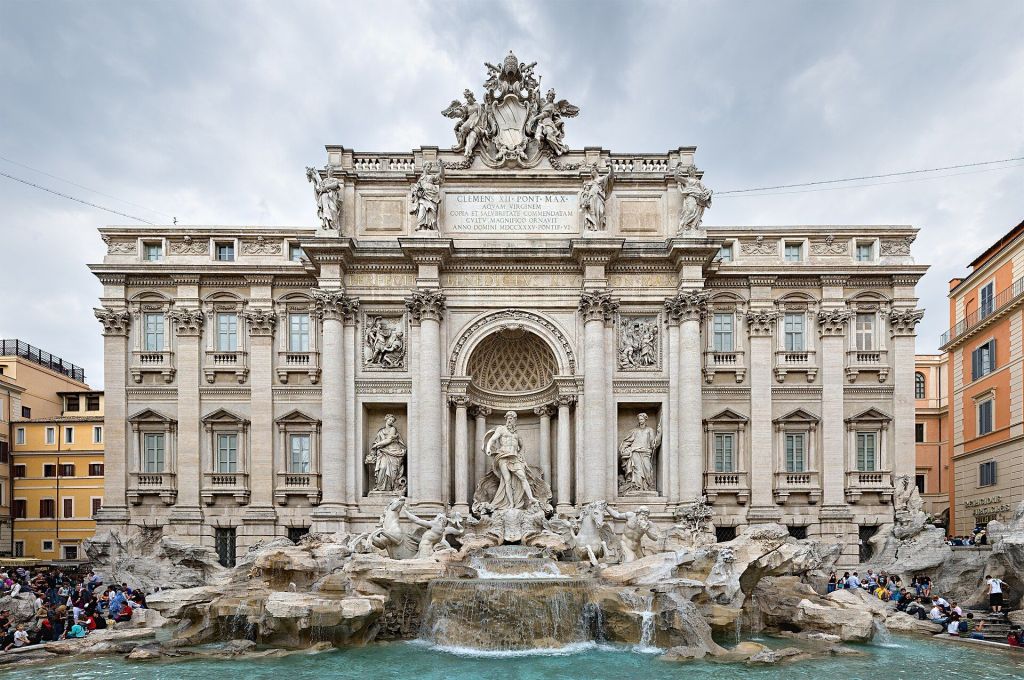
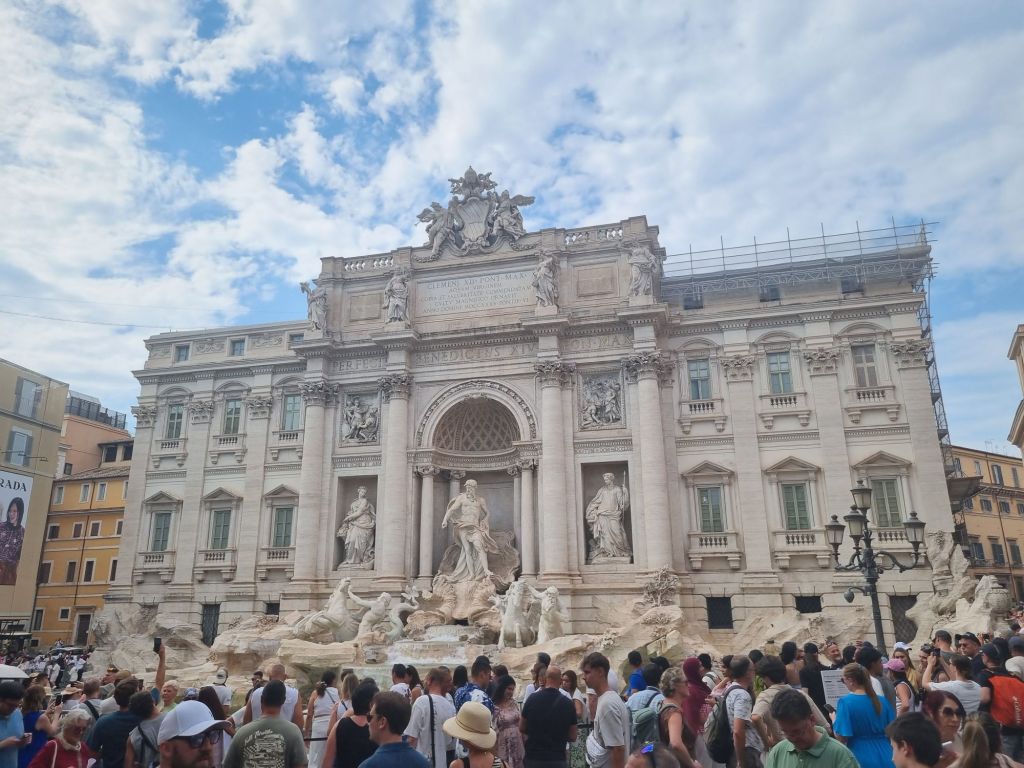
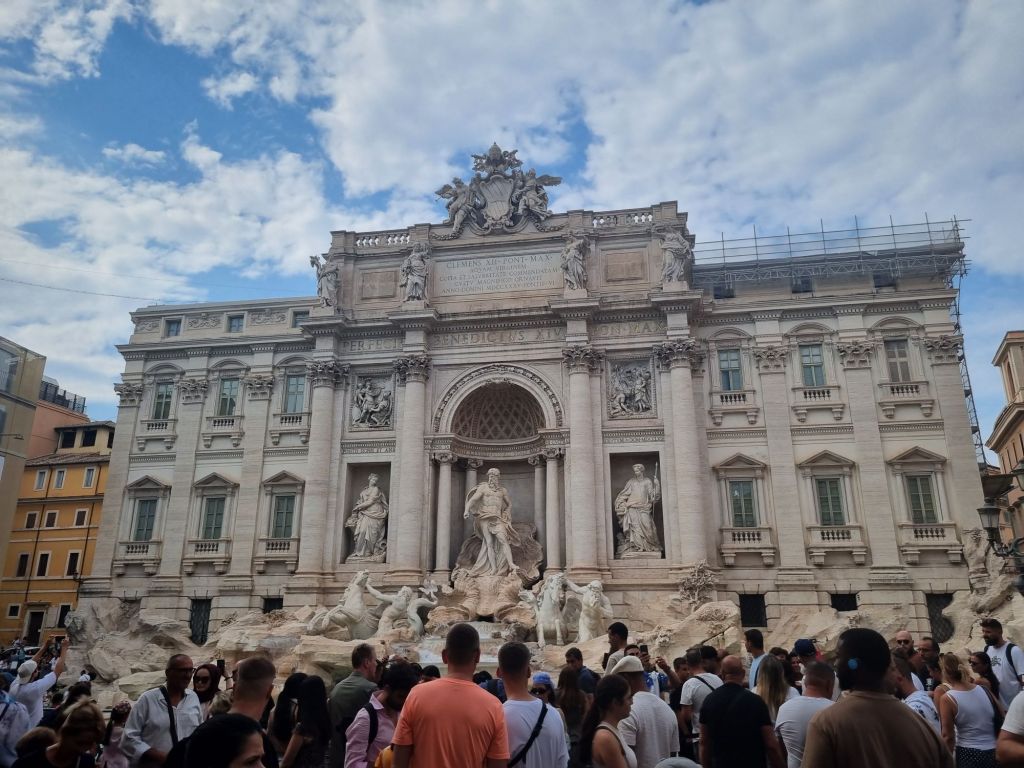
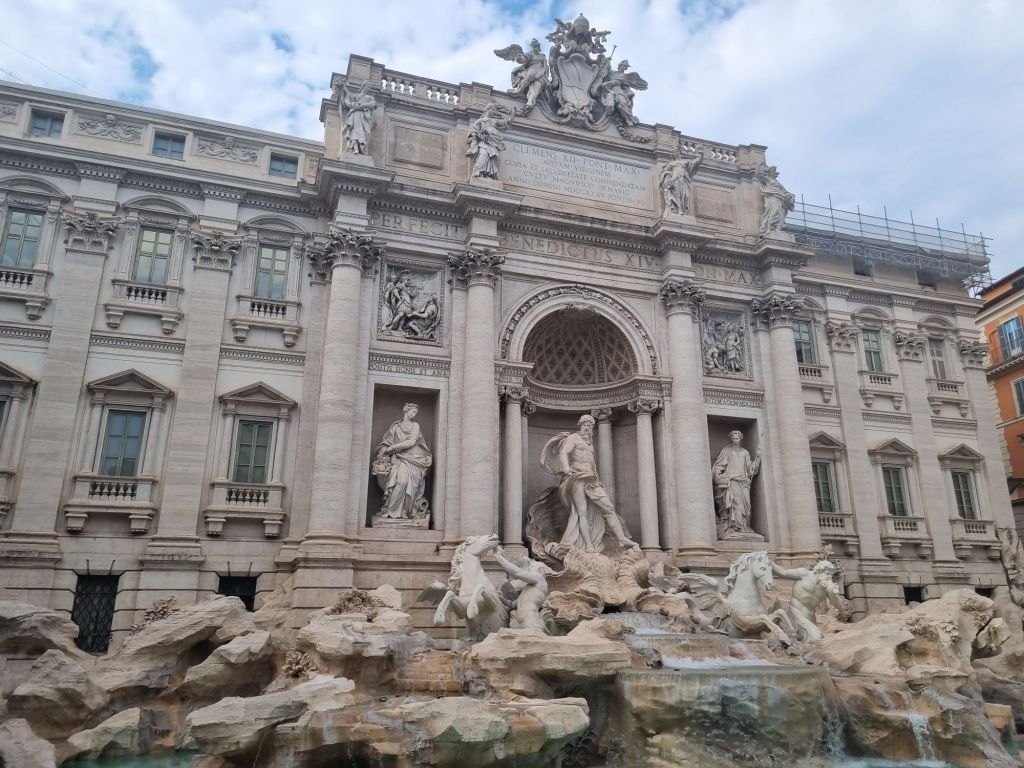
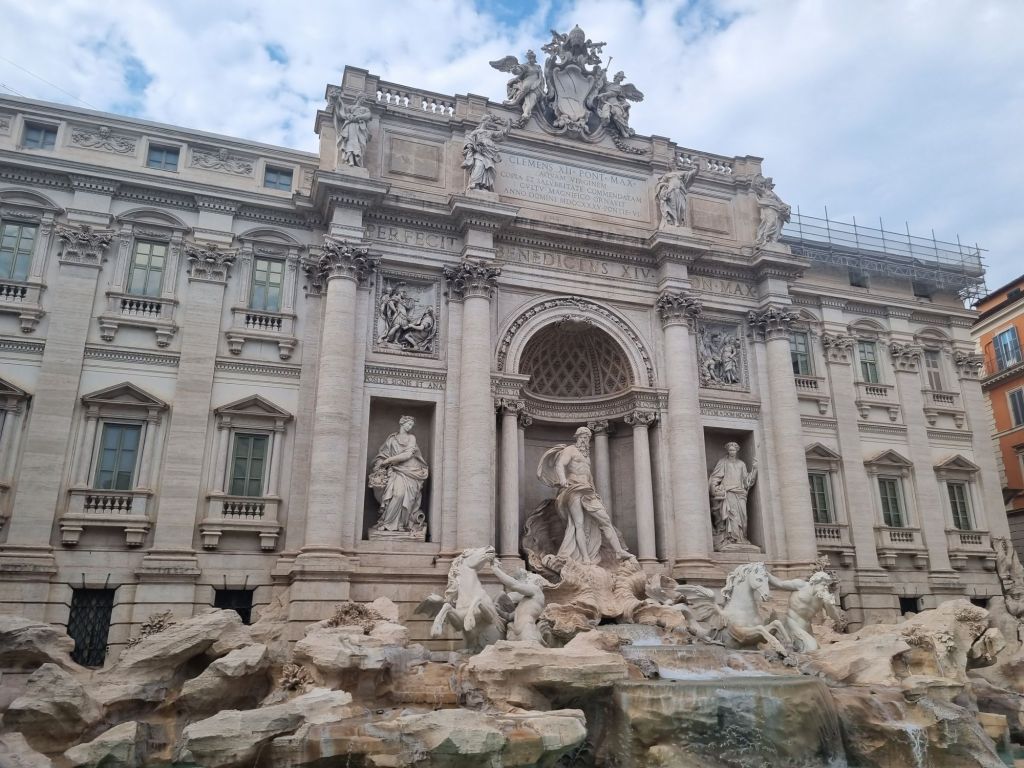

6) Spanish Steps
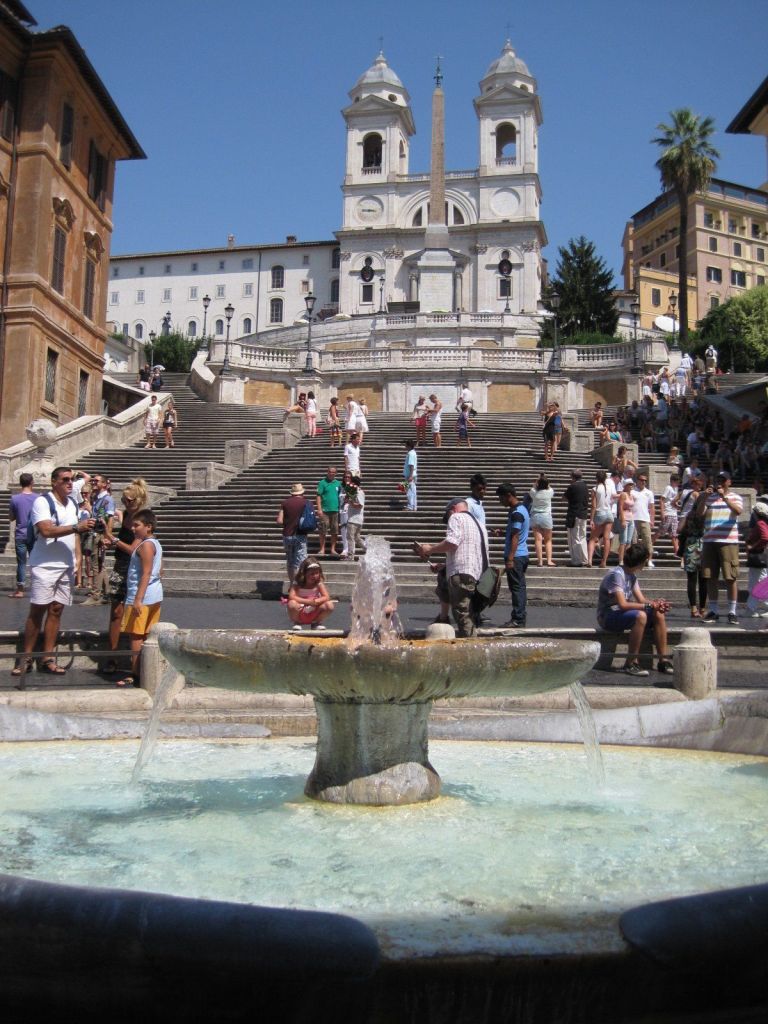
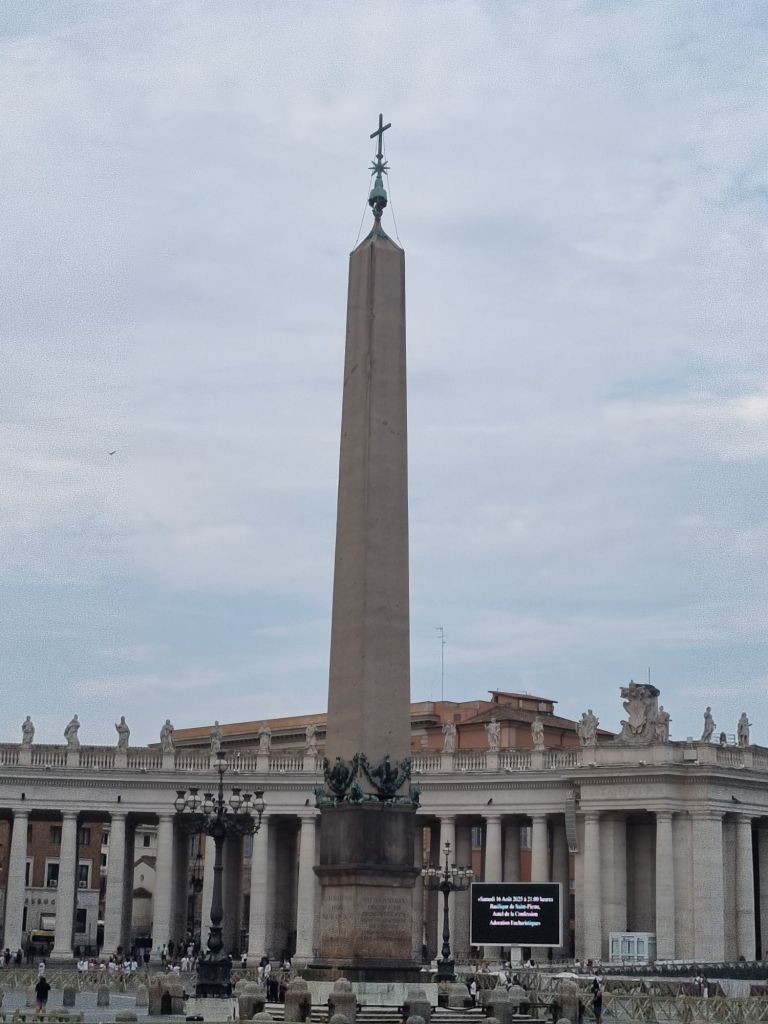
7) Egyptian Obelisks

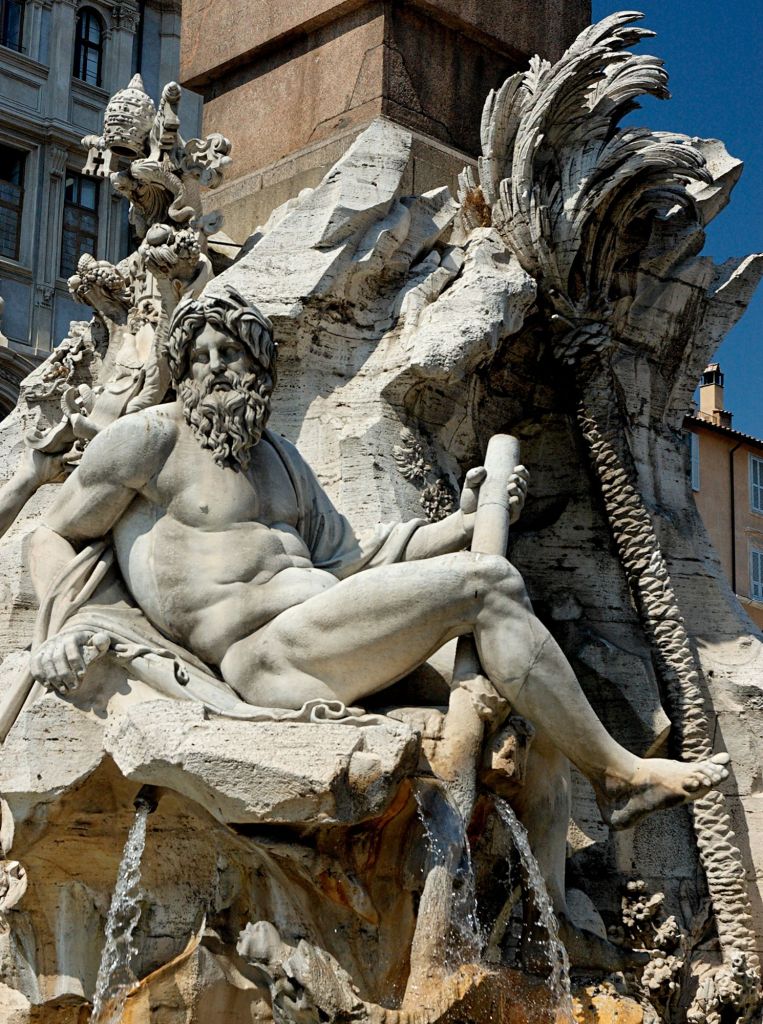
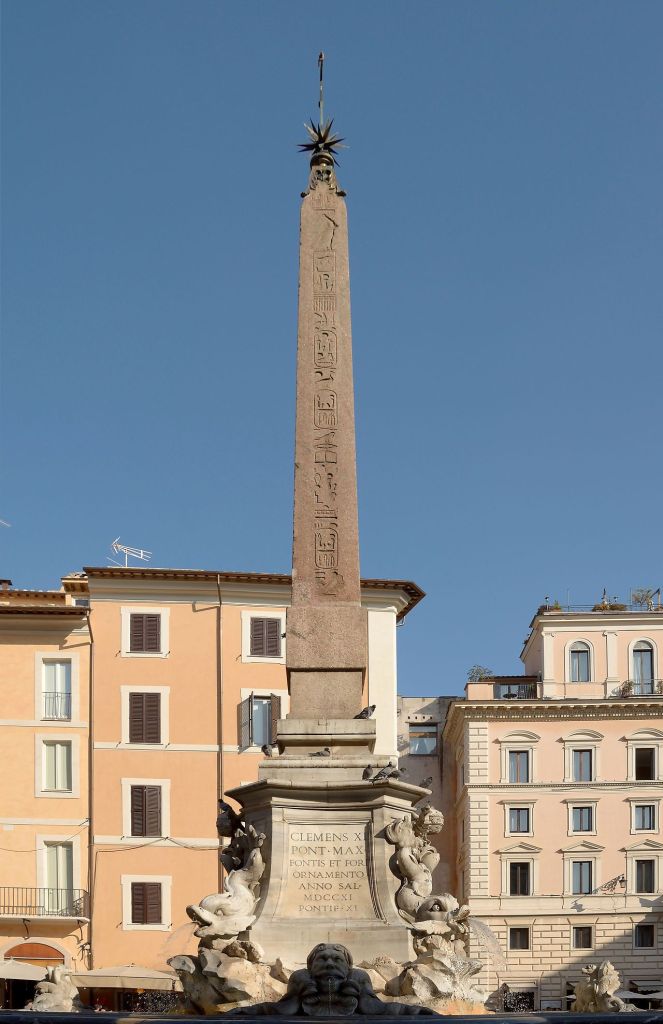

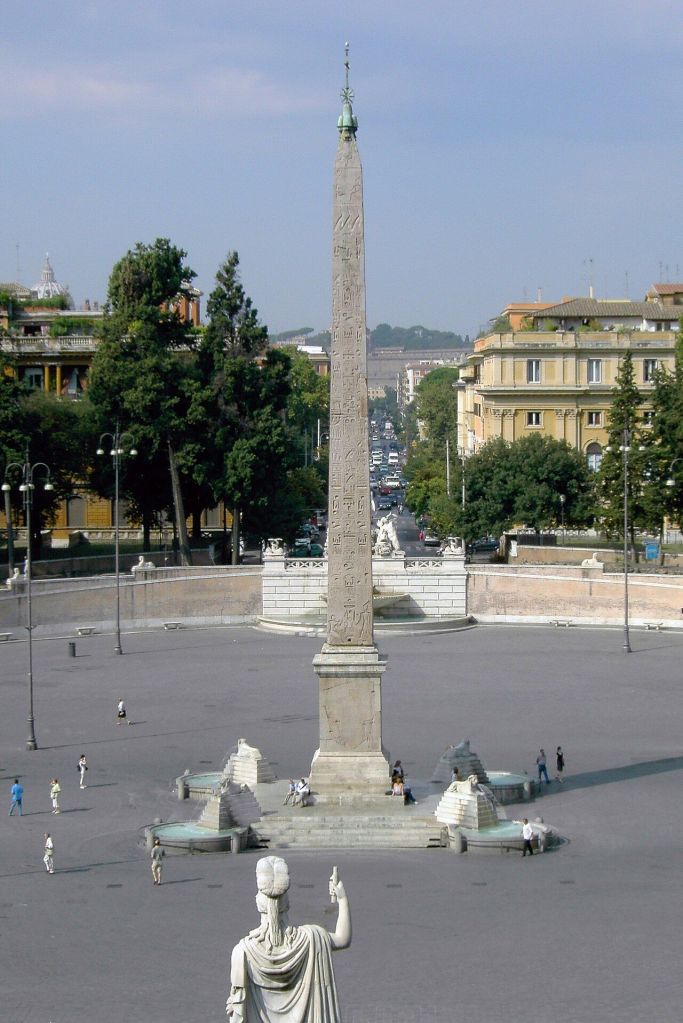
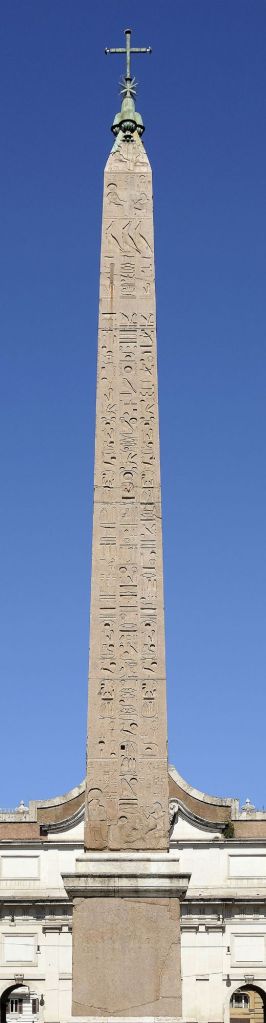
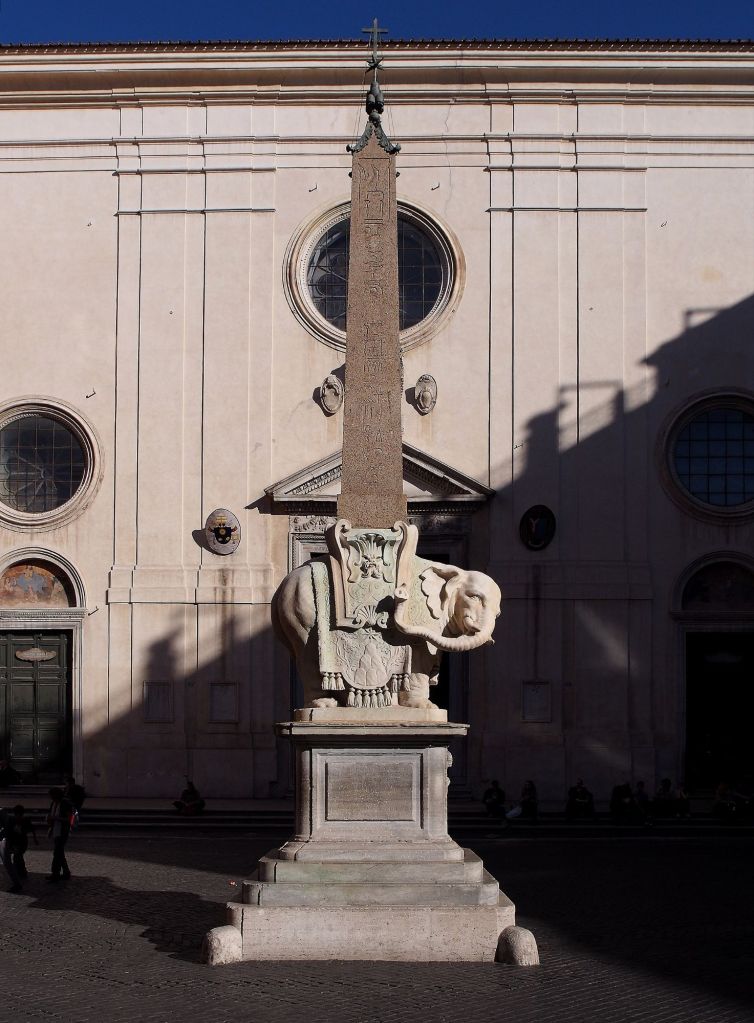
8) Papal Basilica of Saint Mary Major
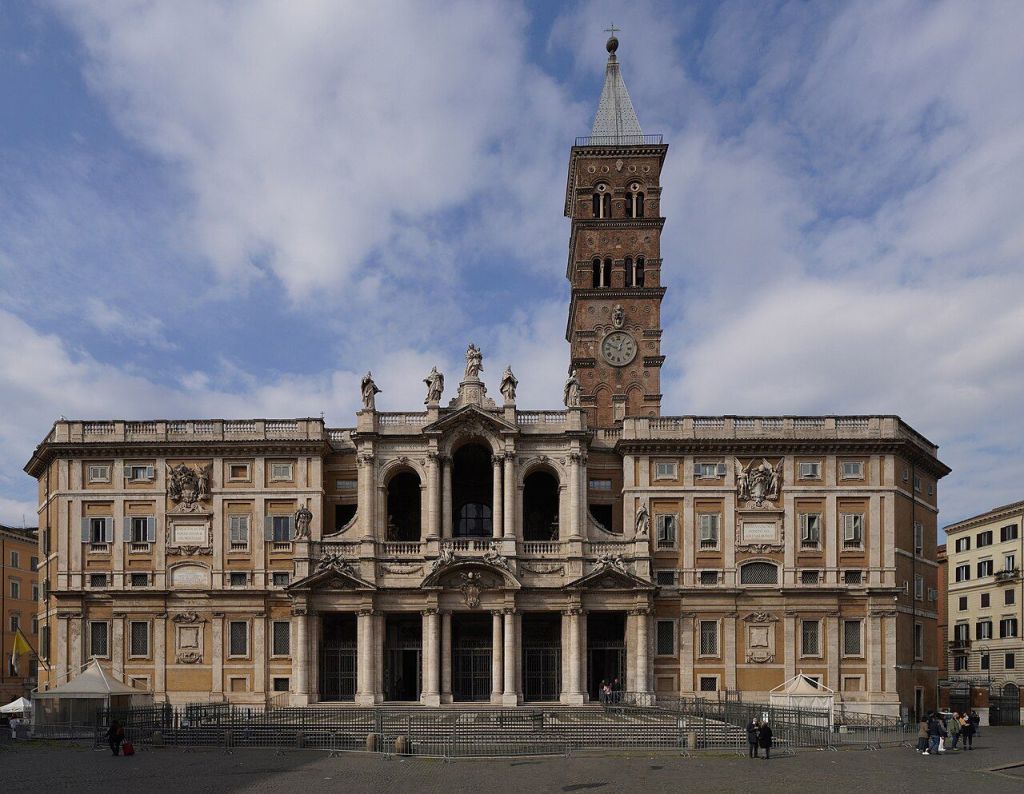
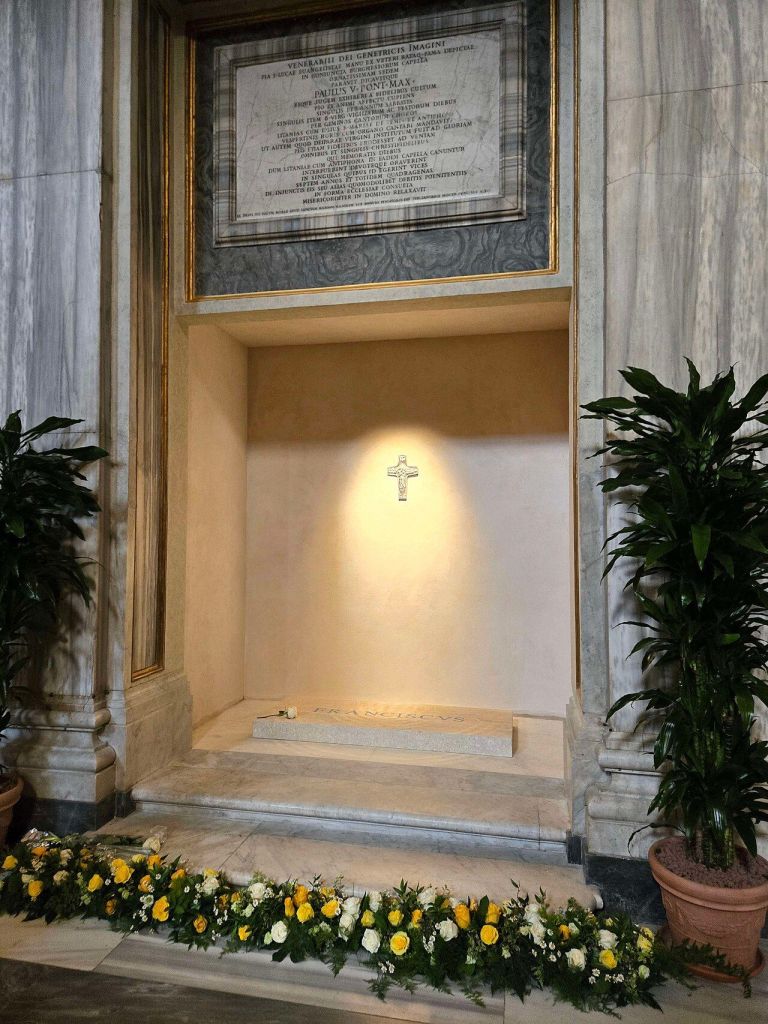
9) Bocca Della Verita

10) Villa Borghese Gardens and Zoo
11) The Mausoleum of Augustus
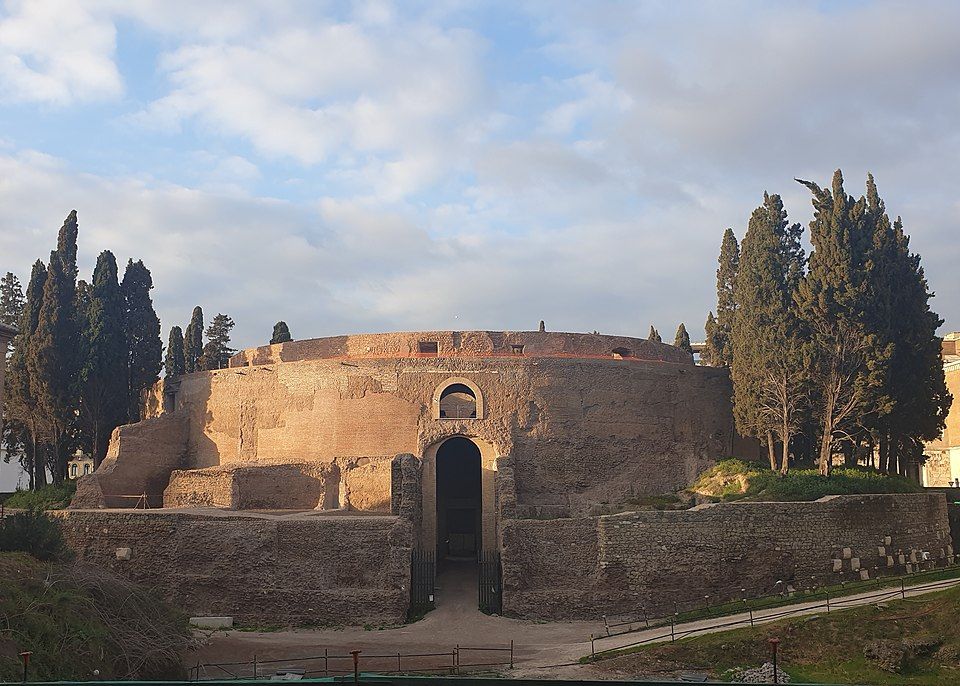
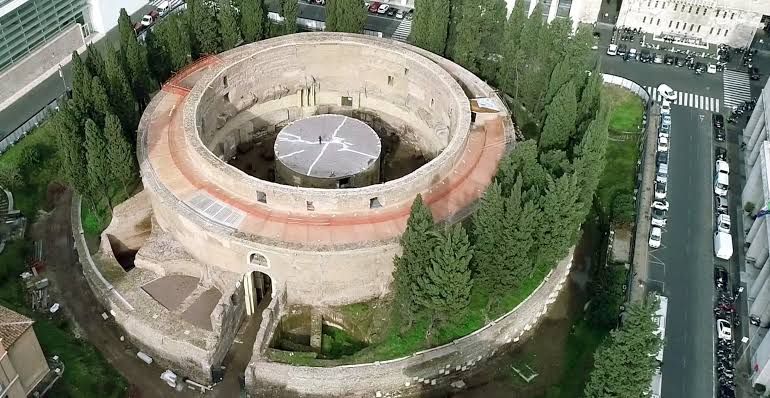
12) Vatican Museums

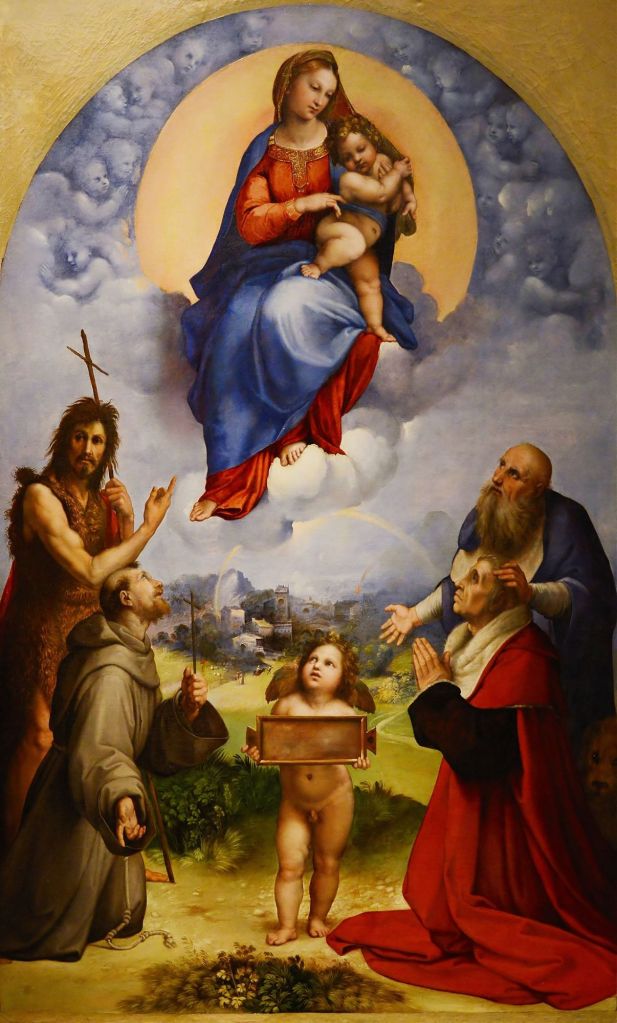
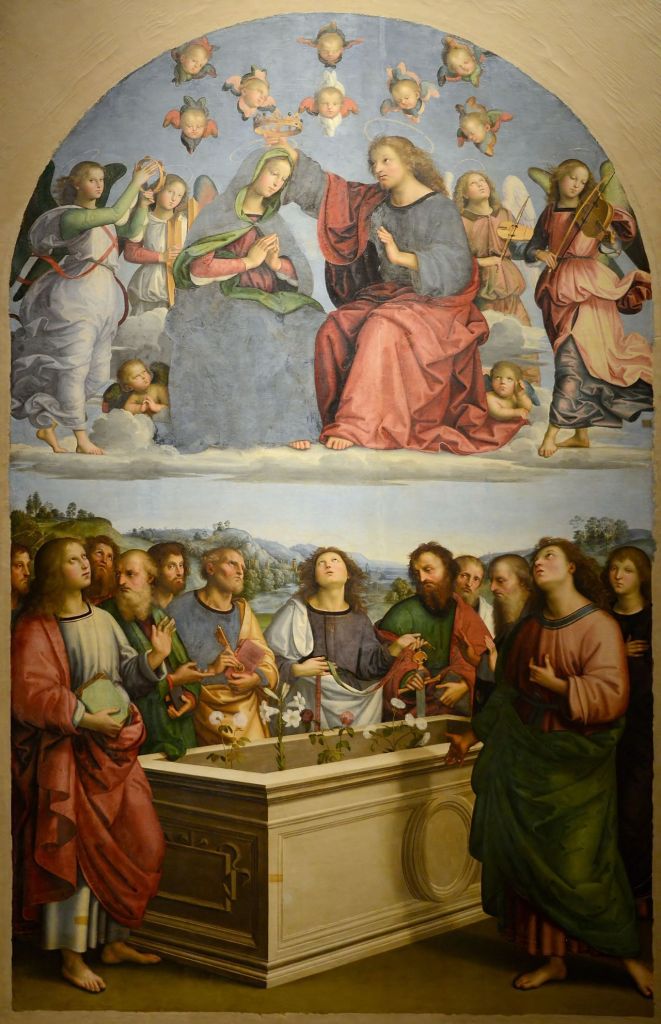


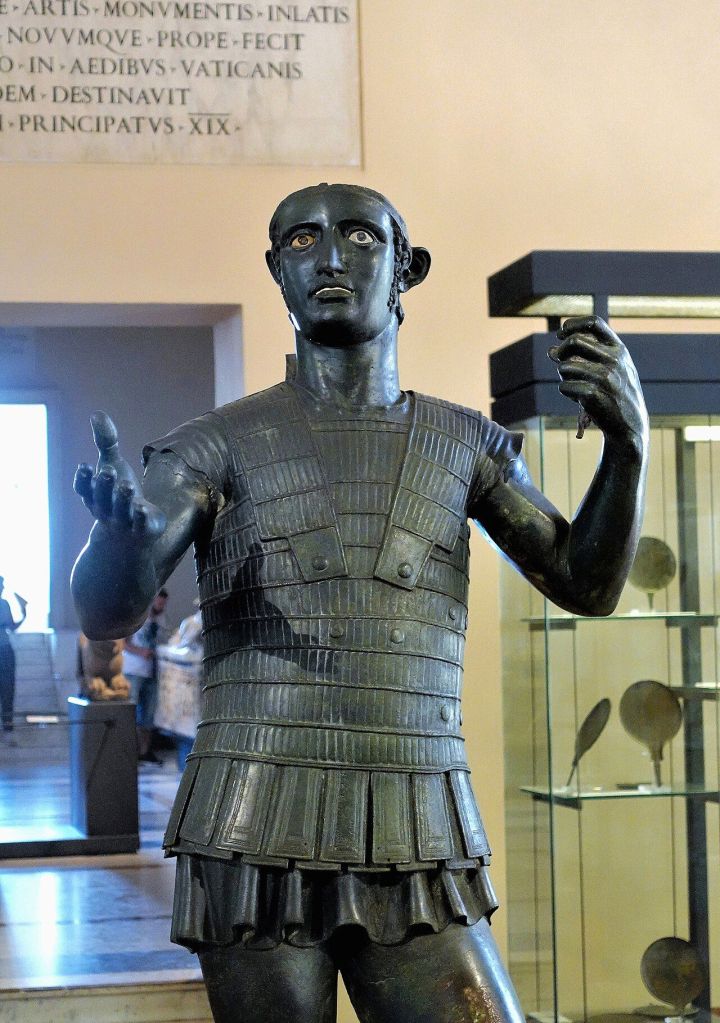
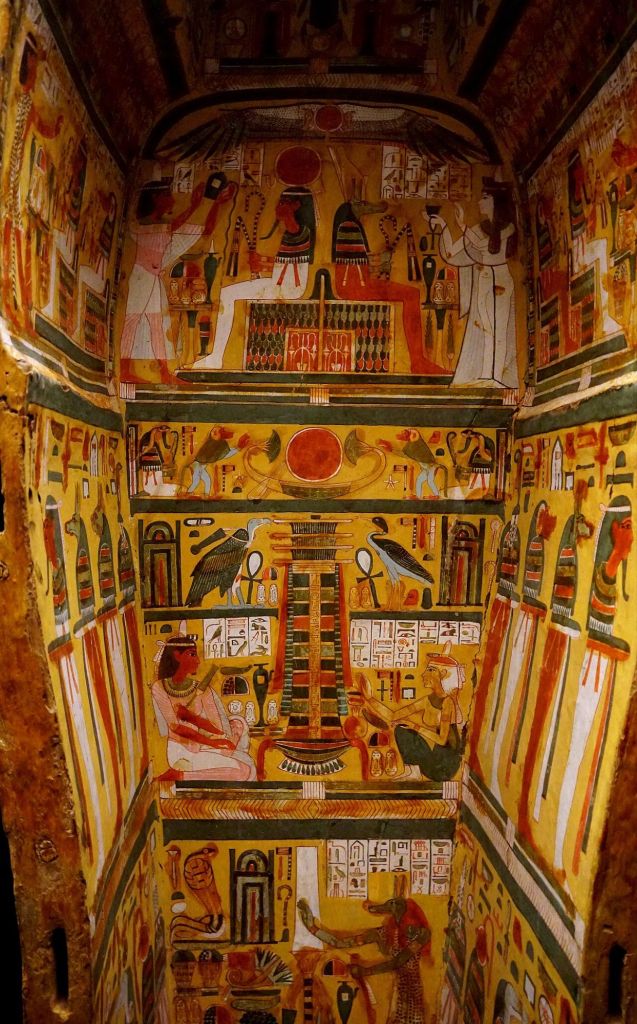
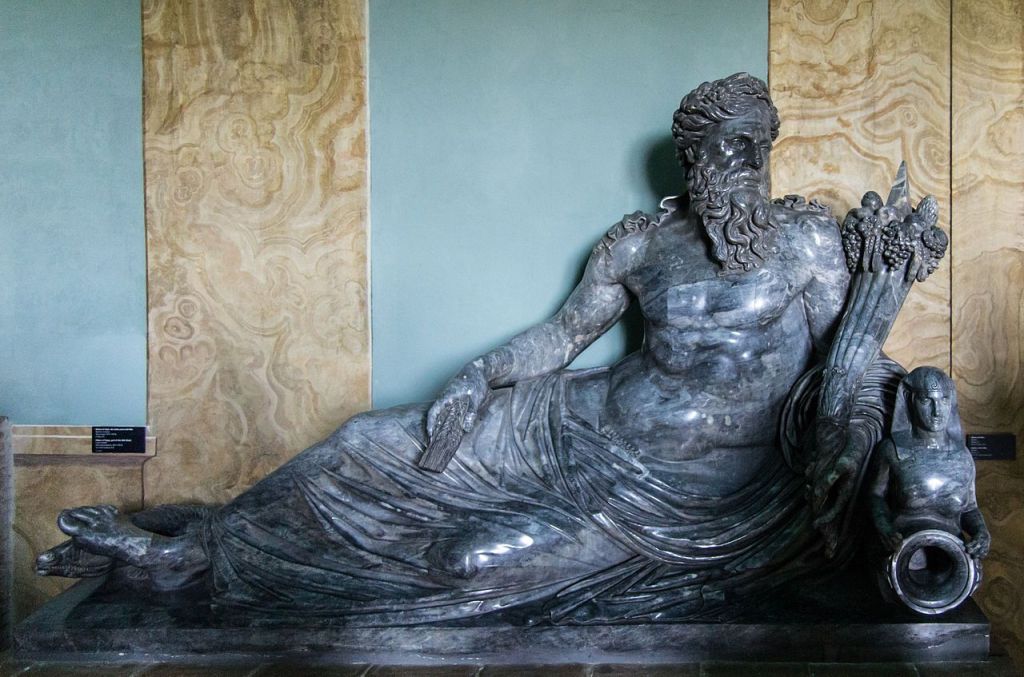
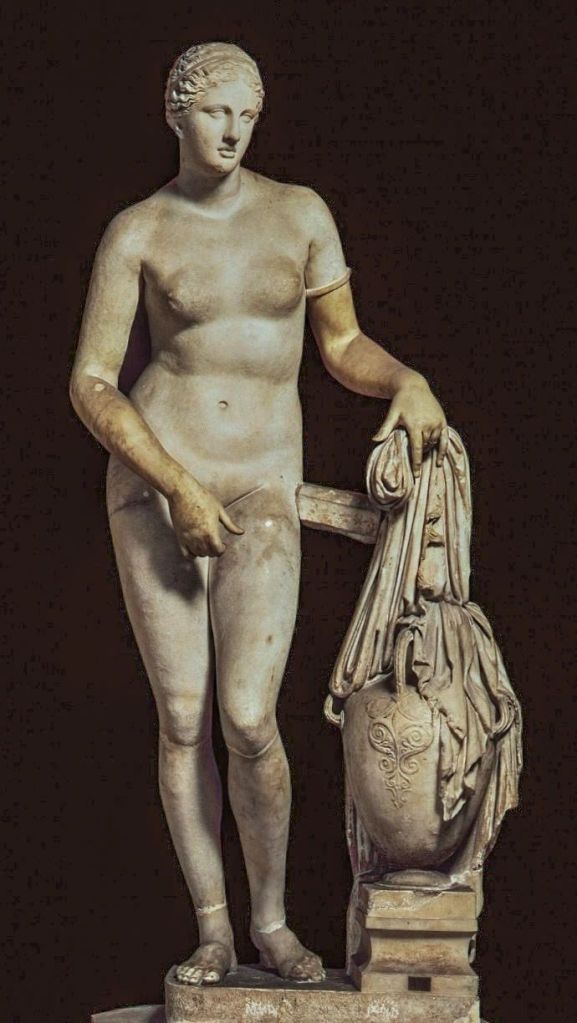
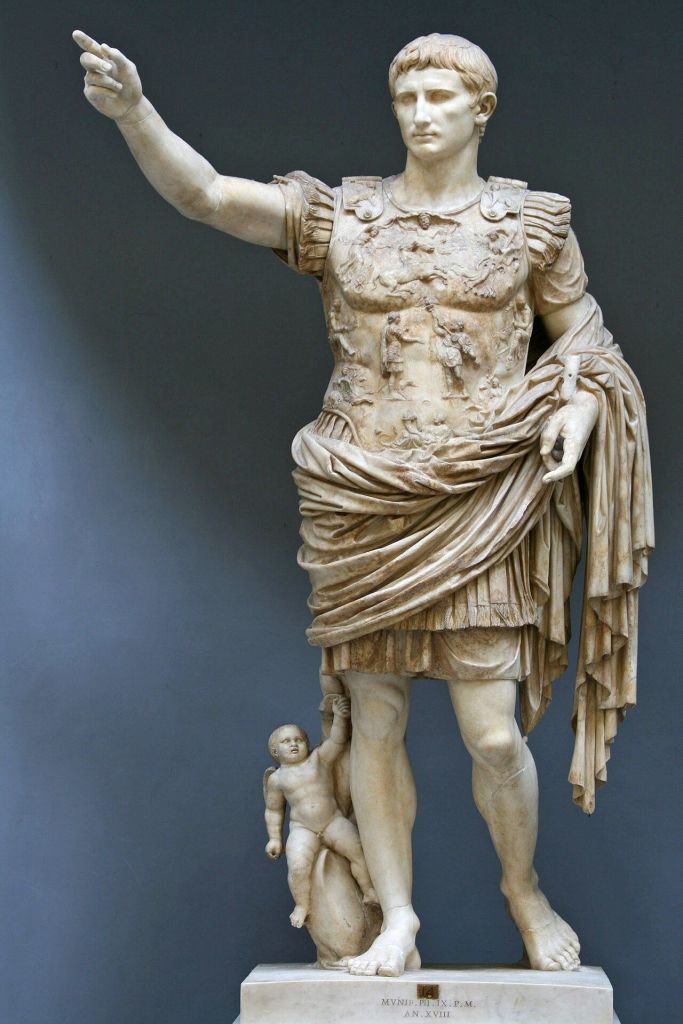
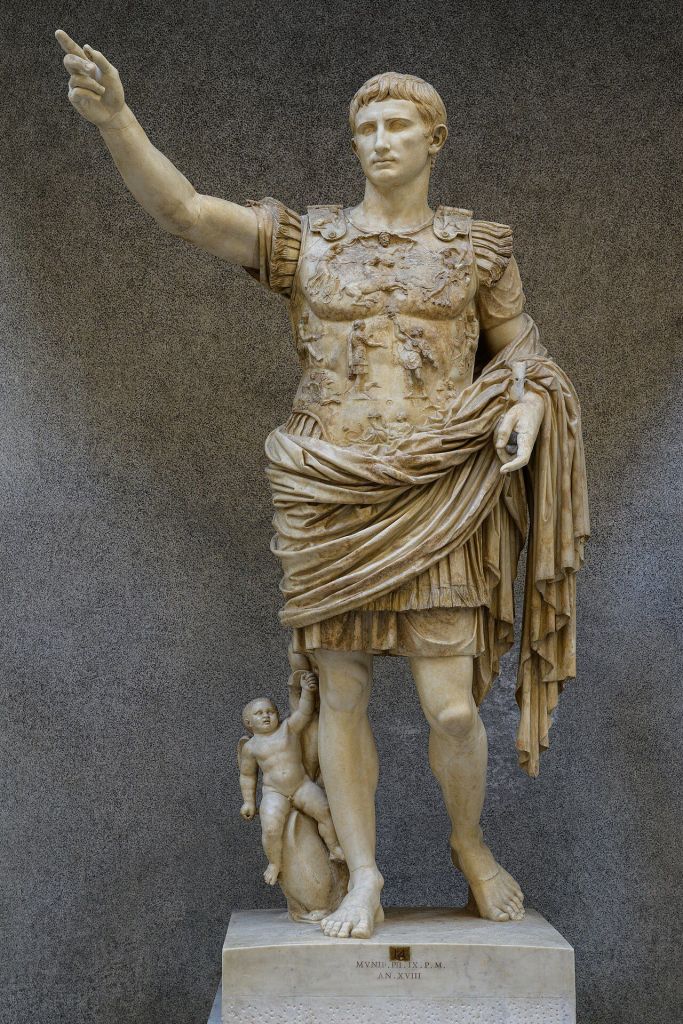


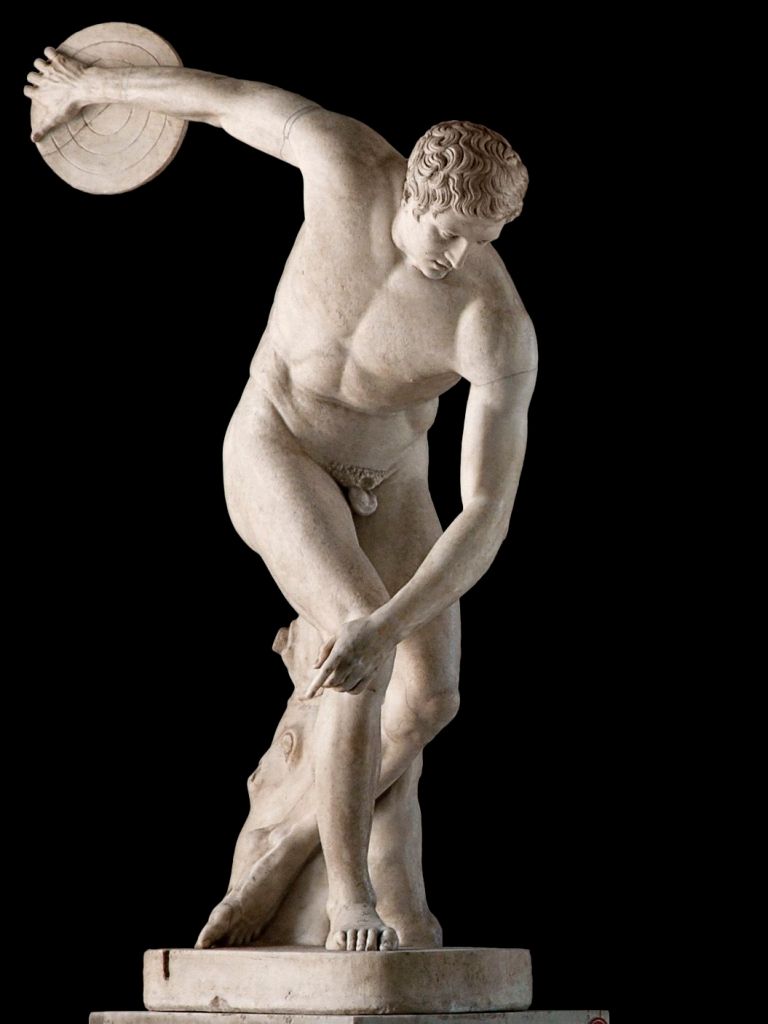


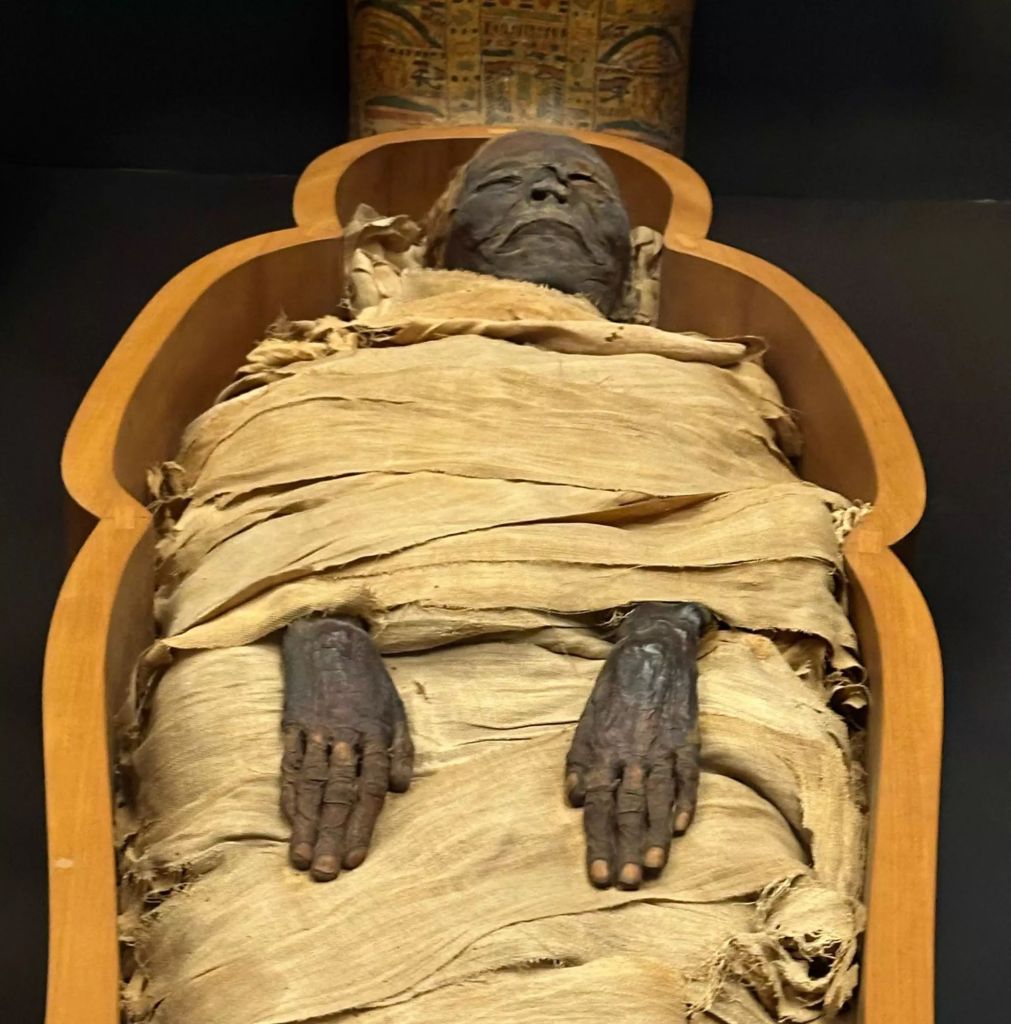
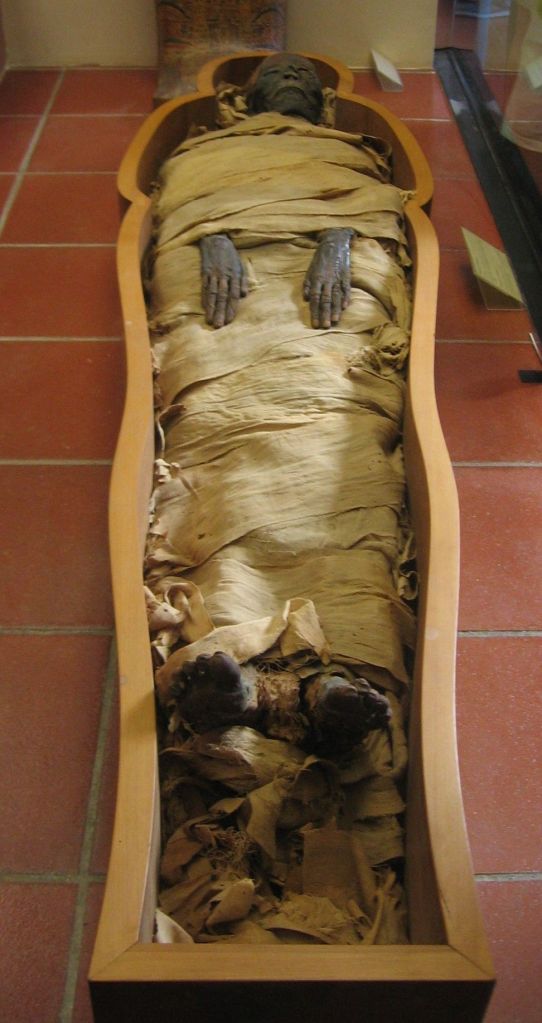

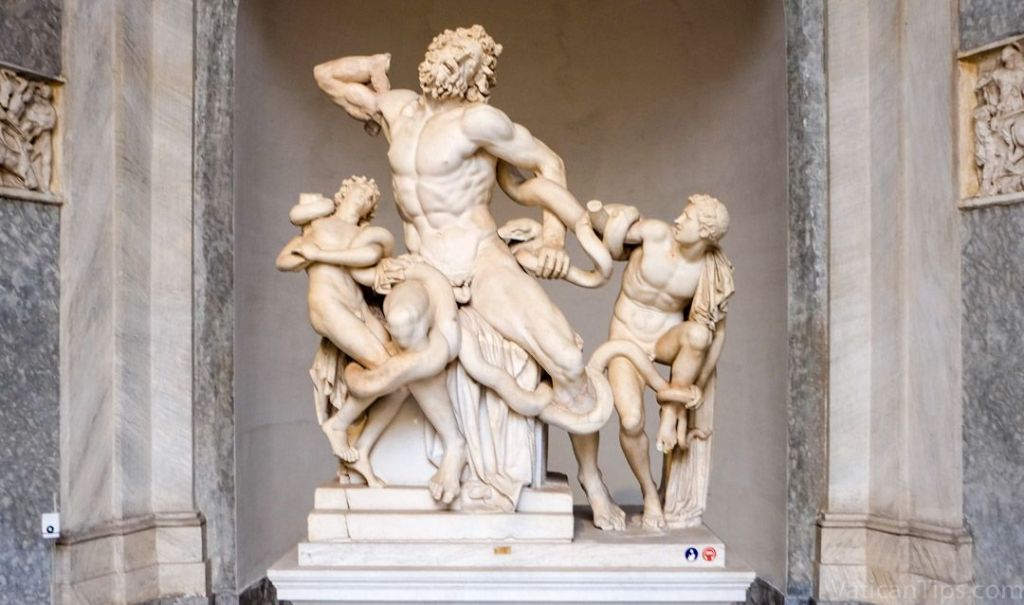
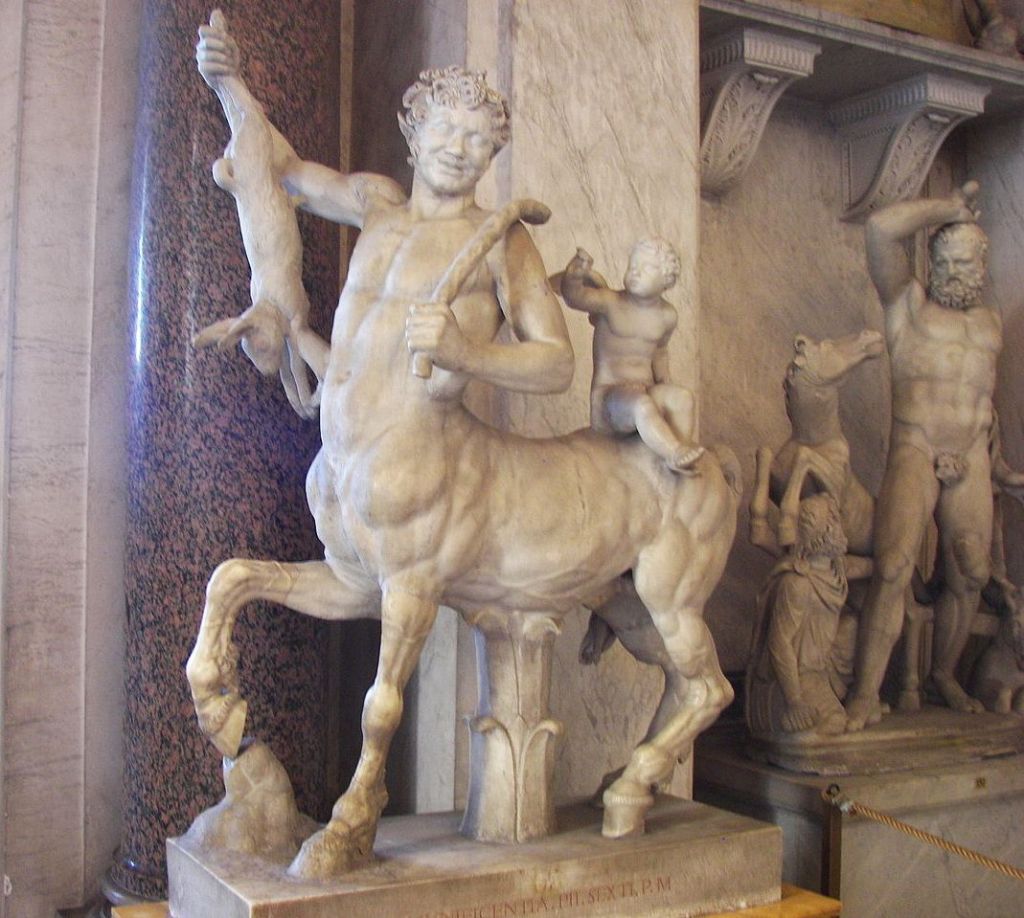
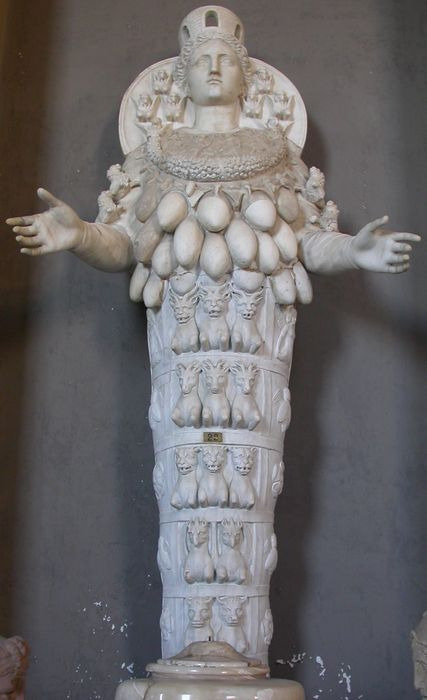

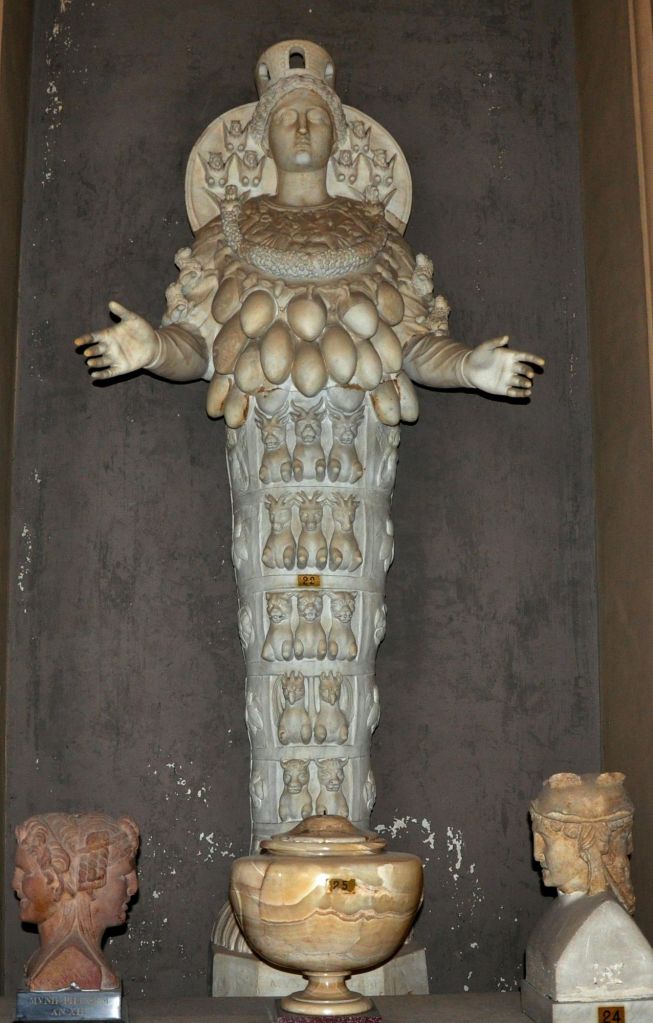
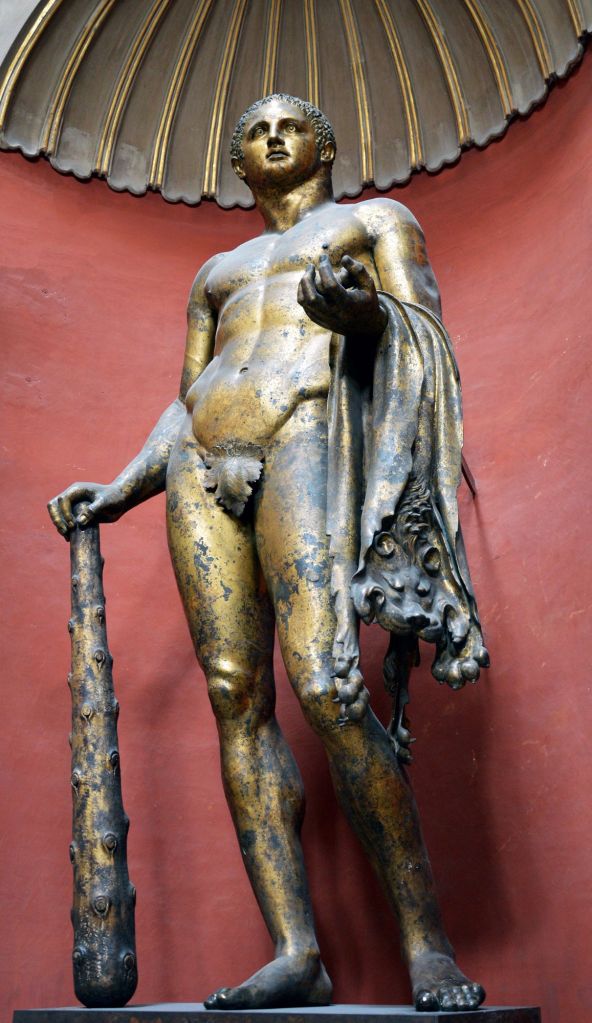
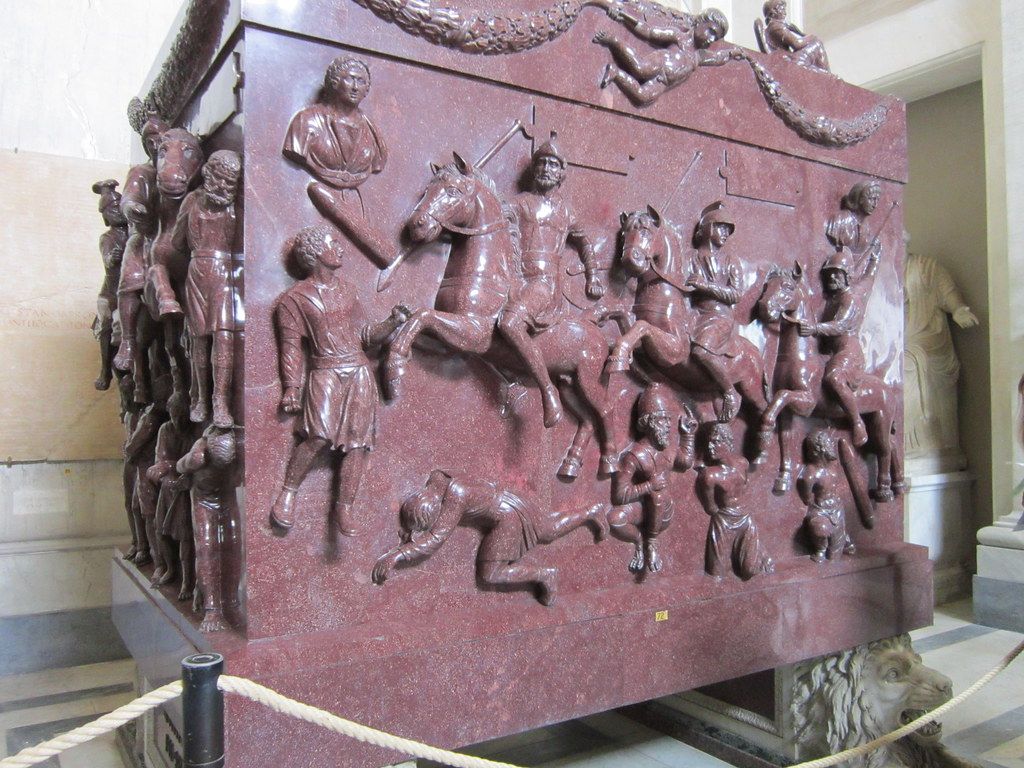

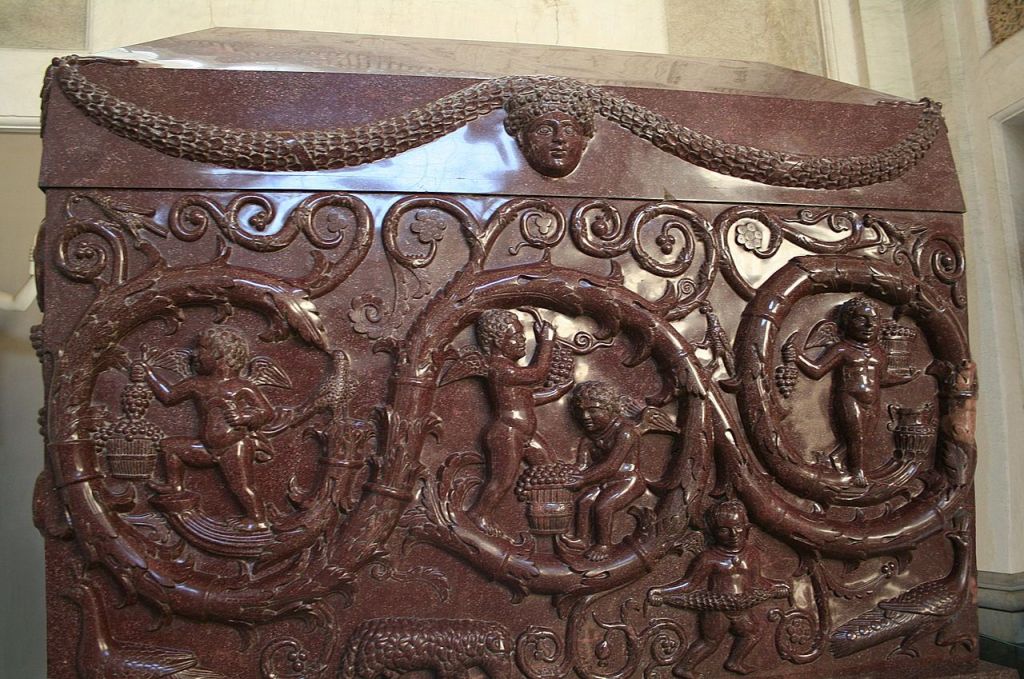

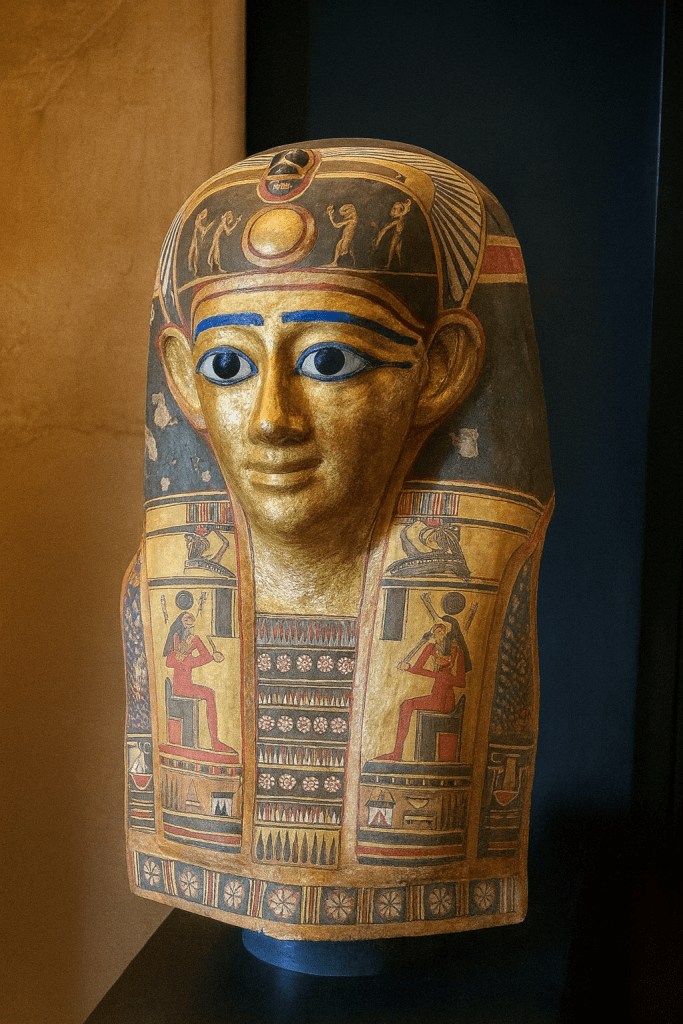
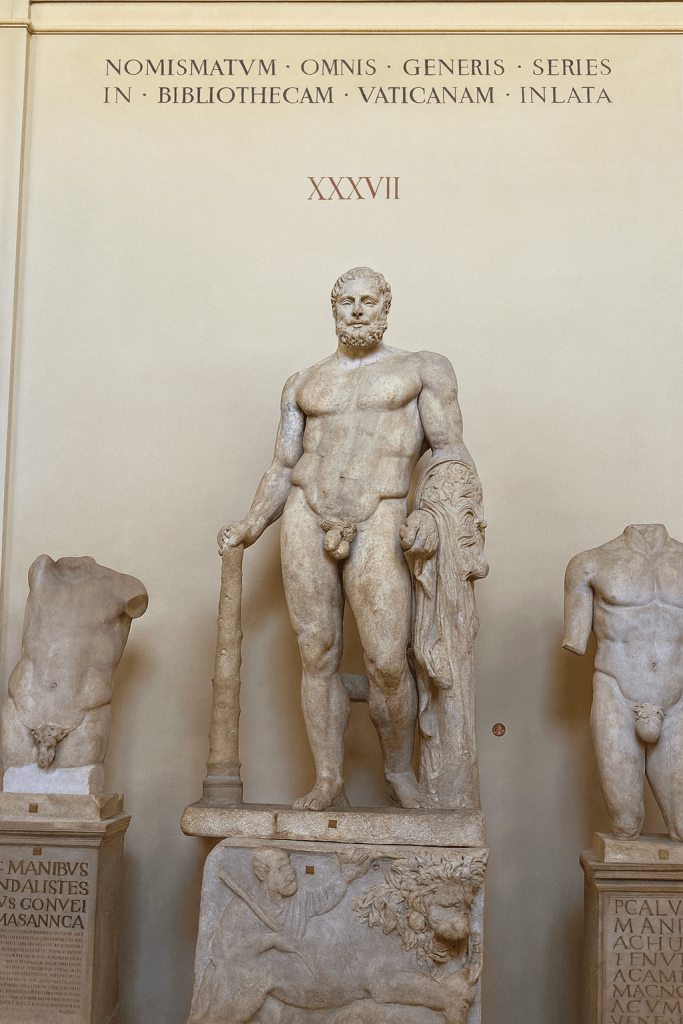
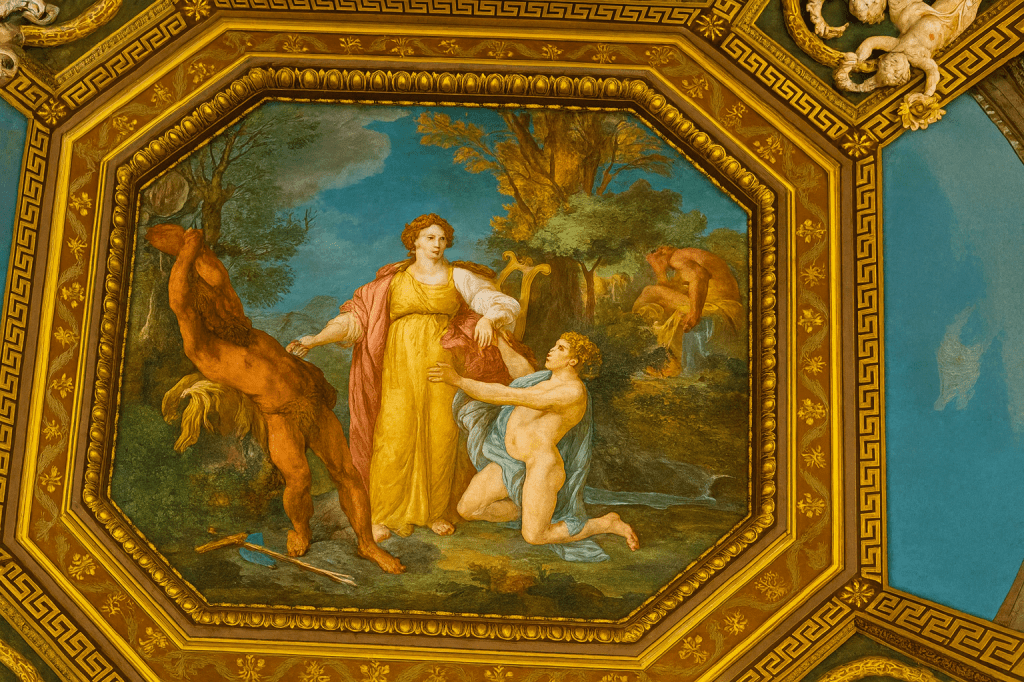

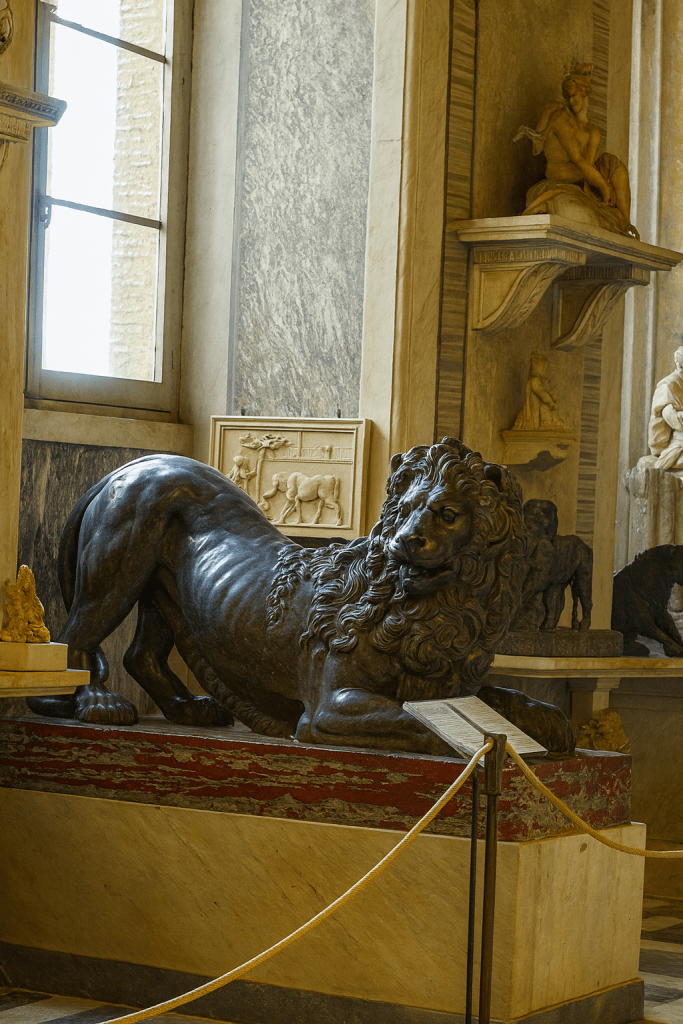
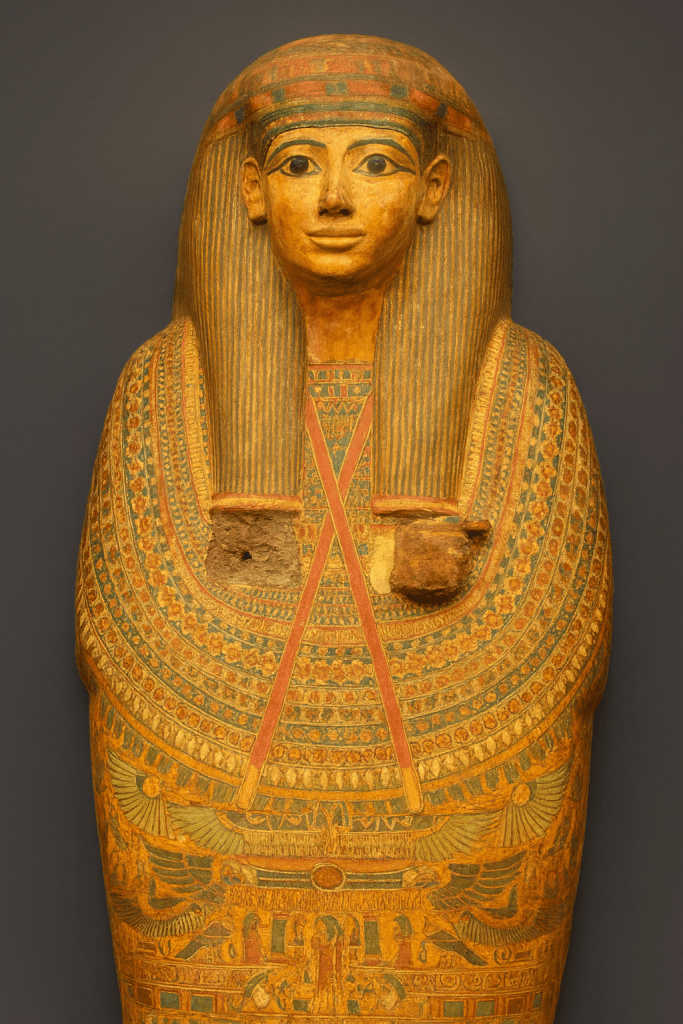
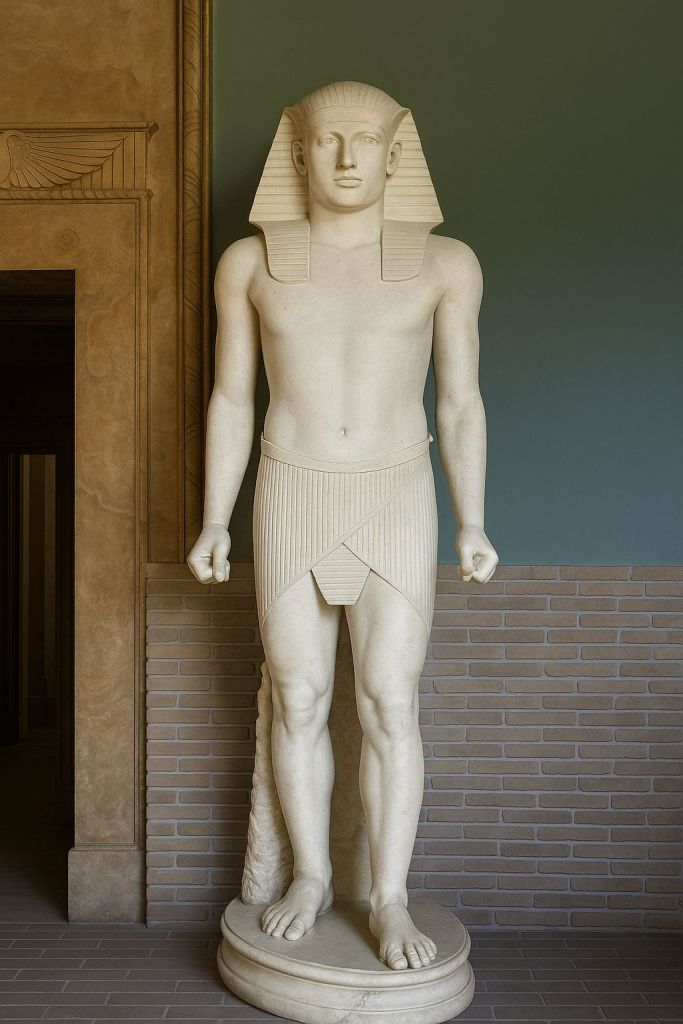
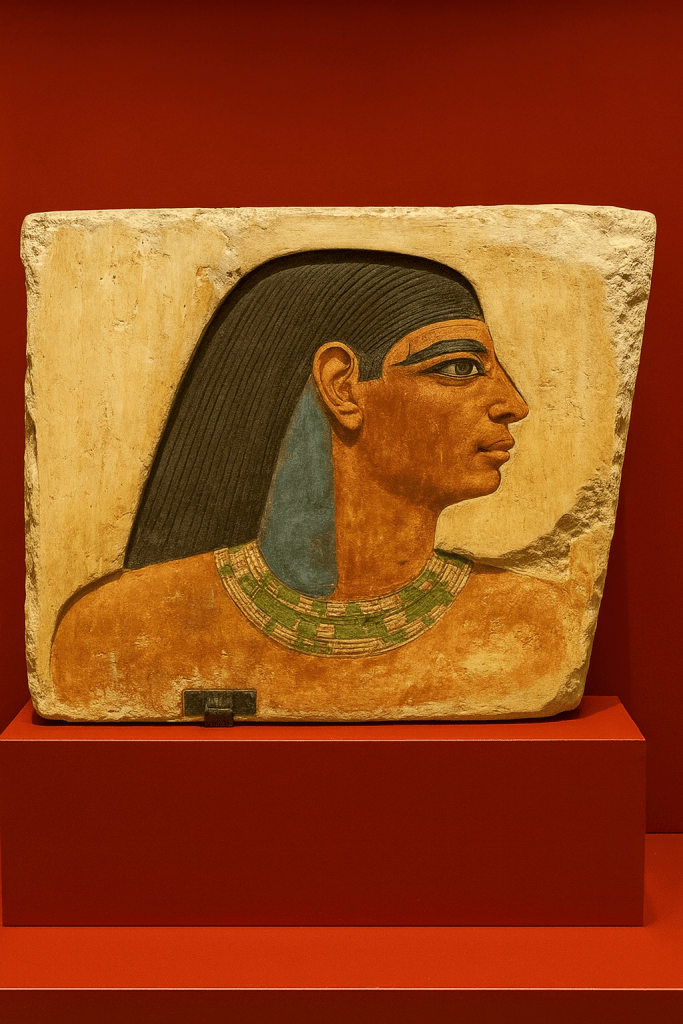
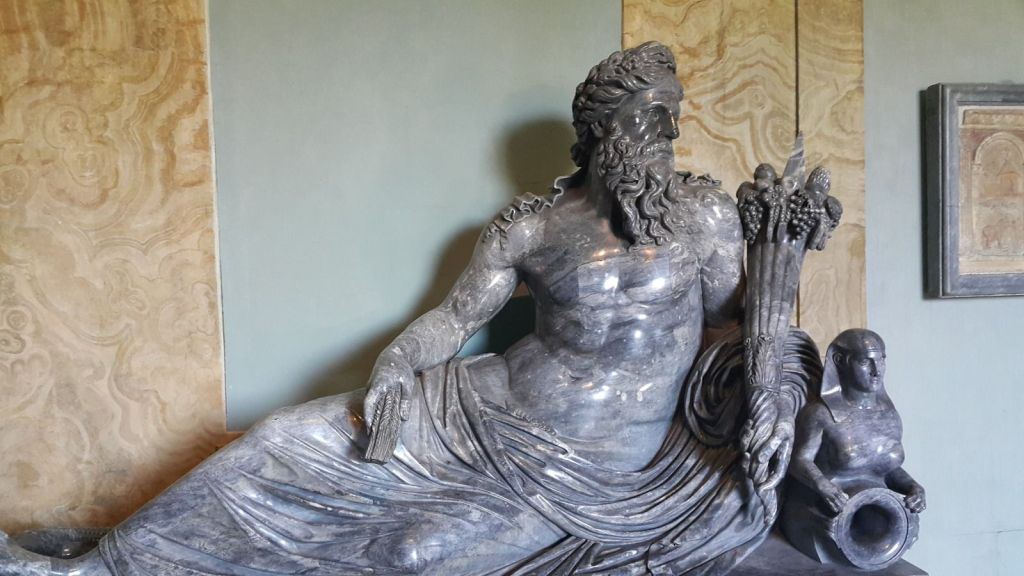

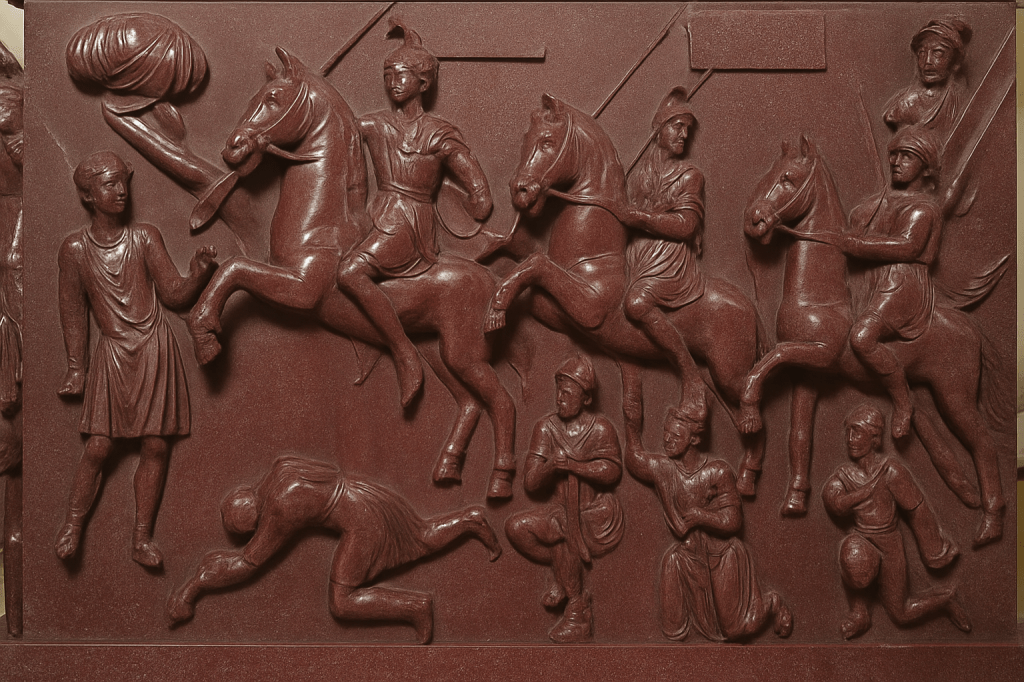
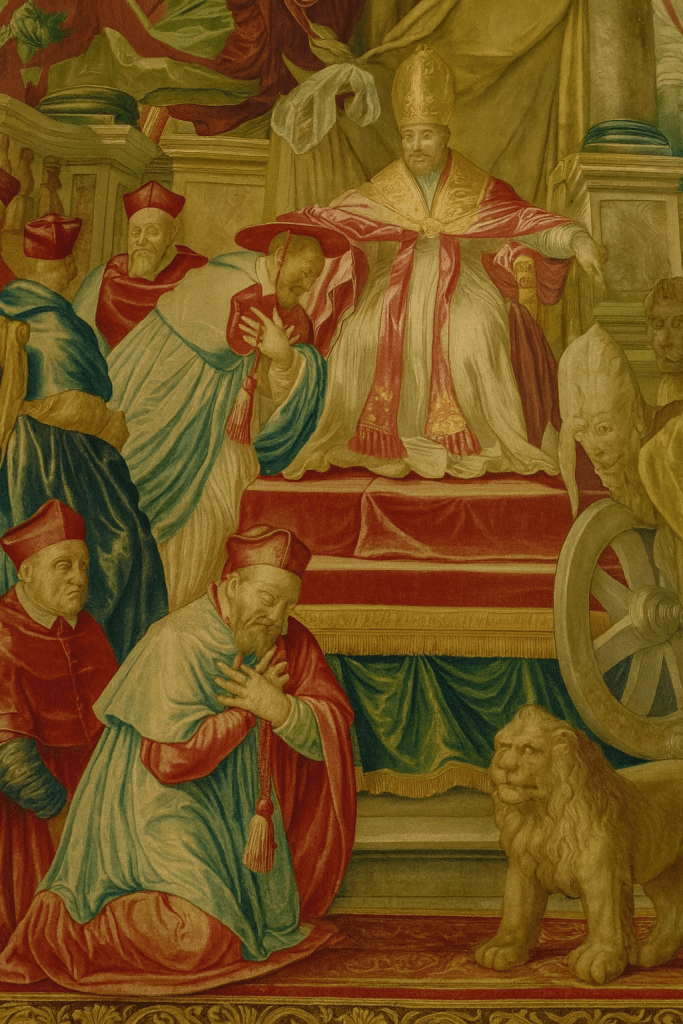
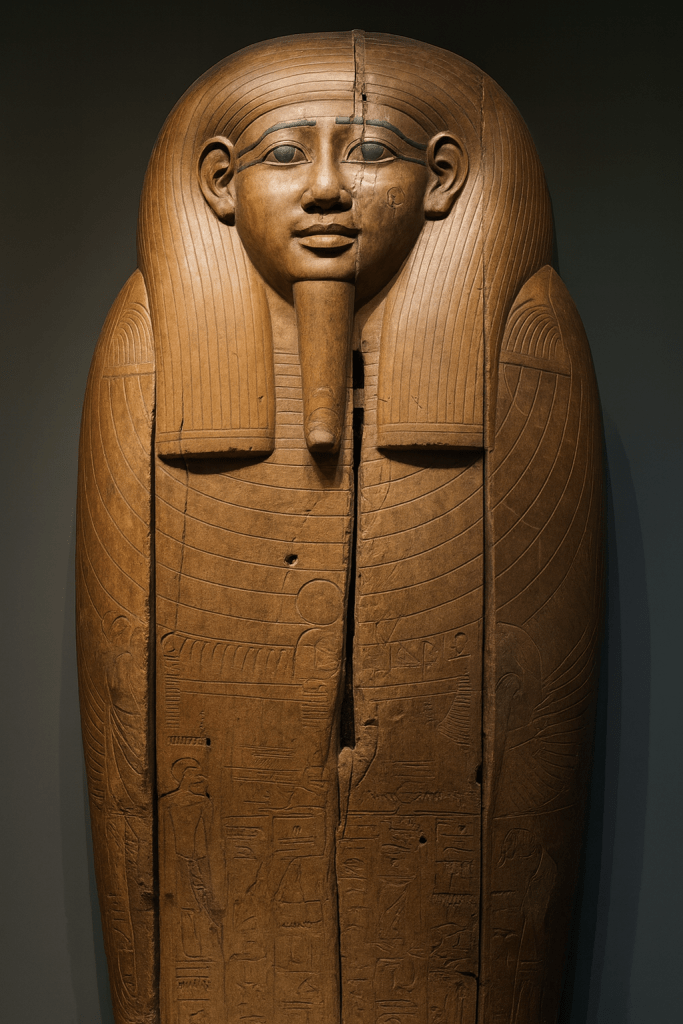


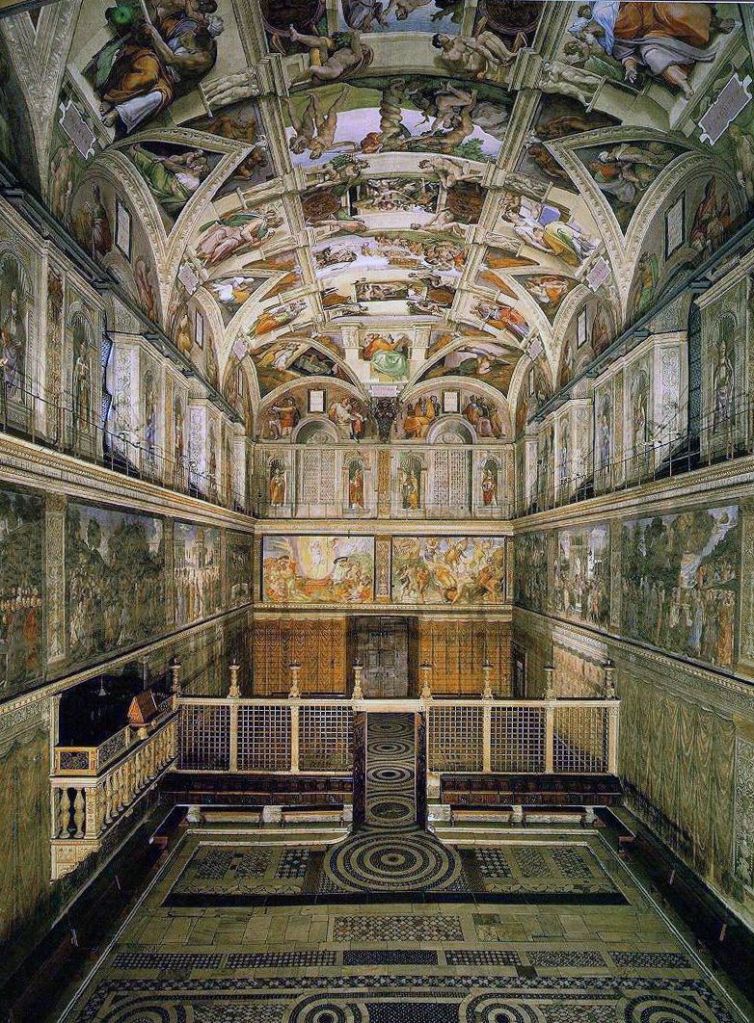
Bonus: Sistine Chapel


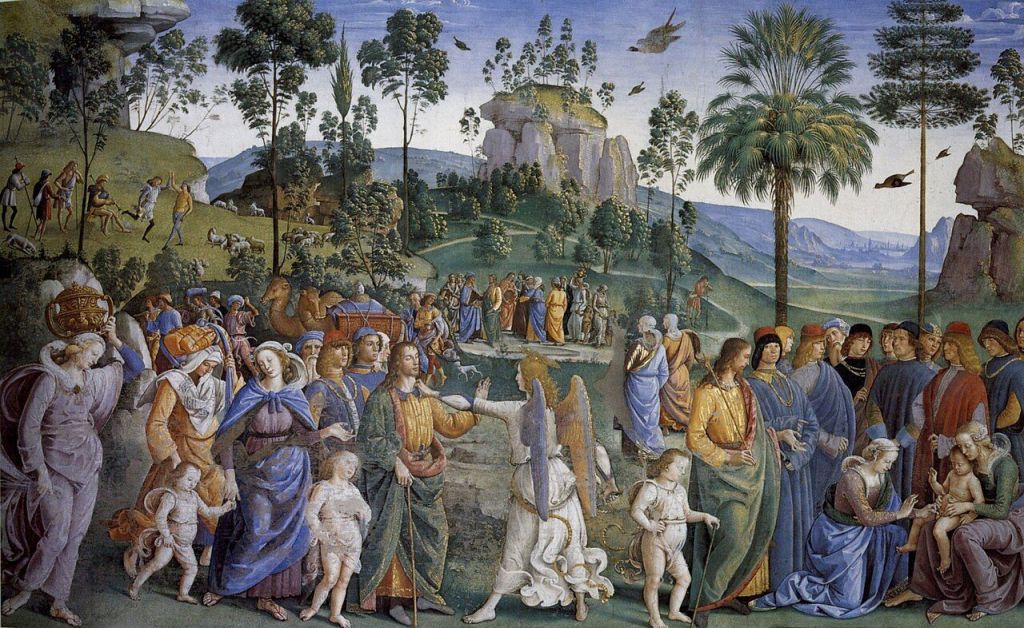


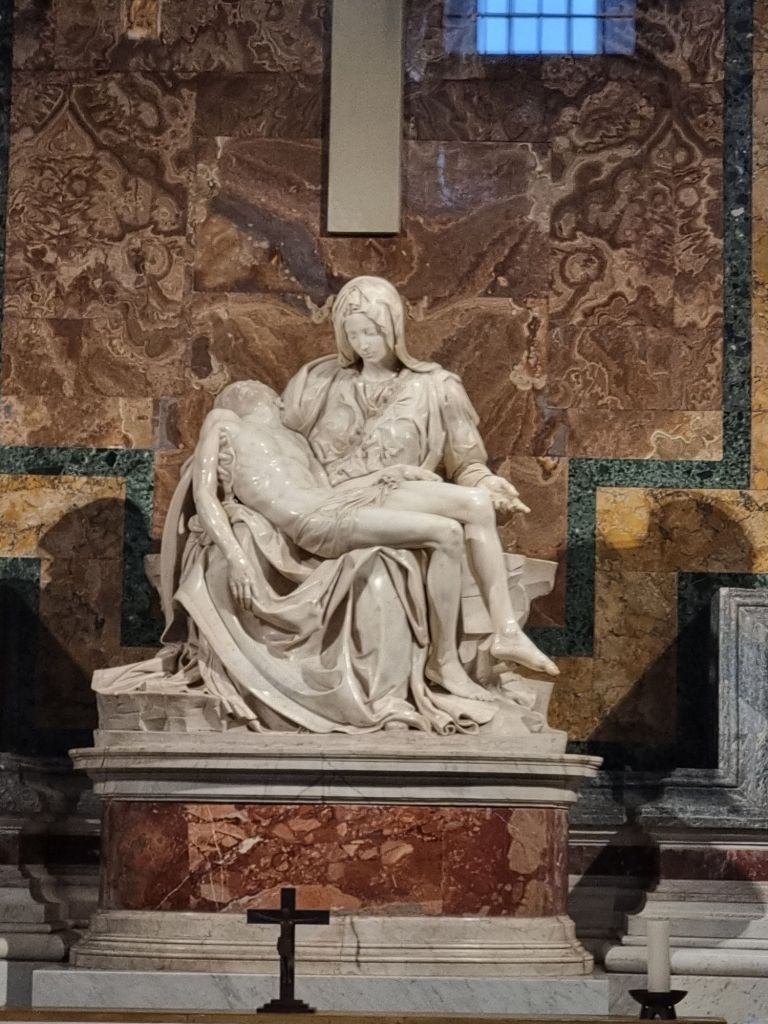
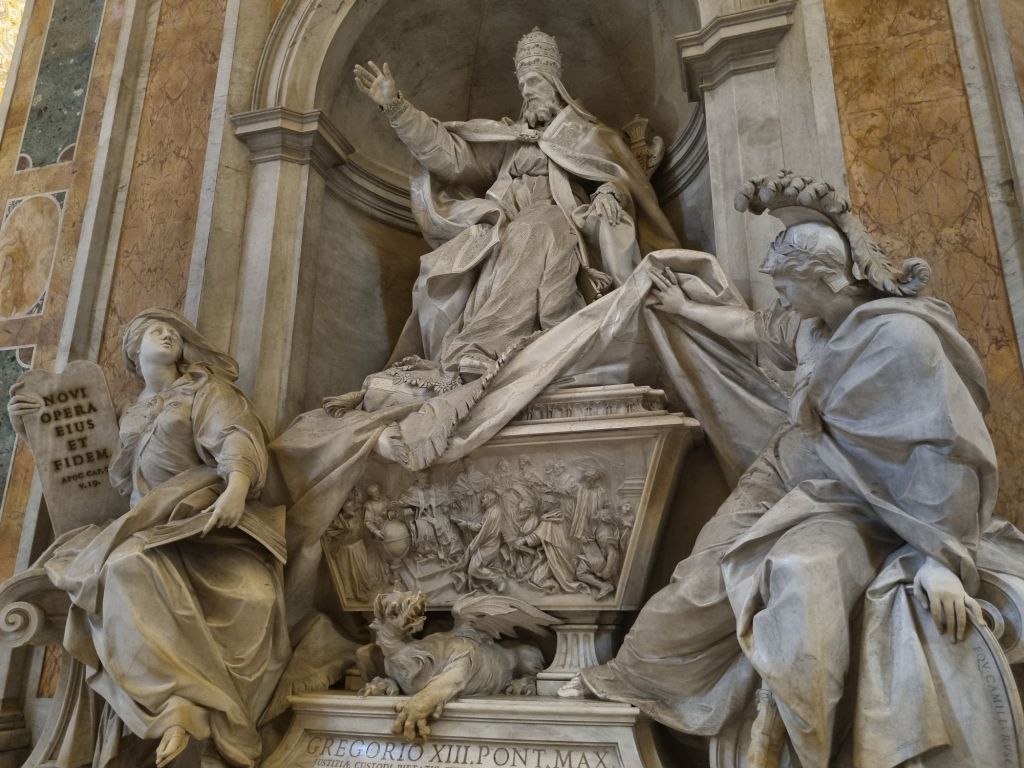
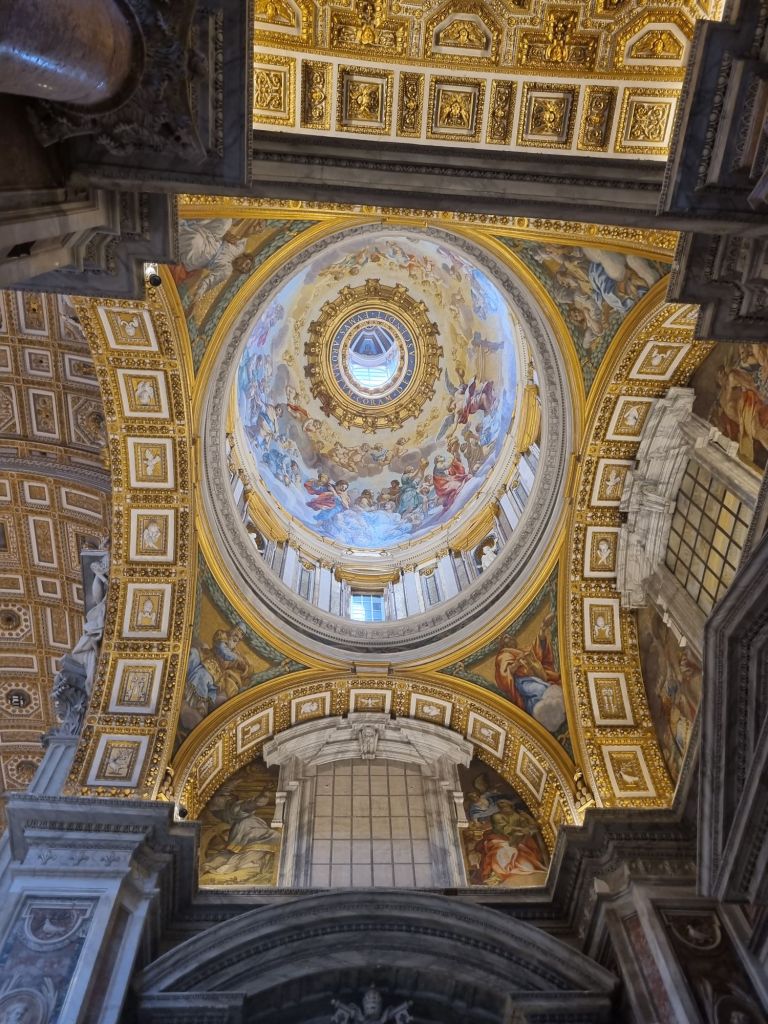
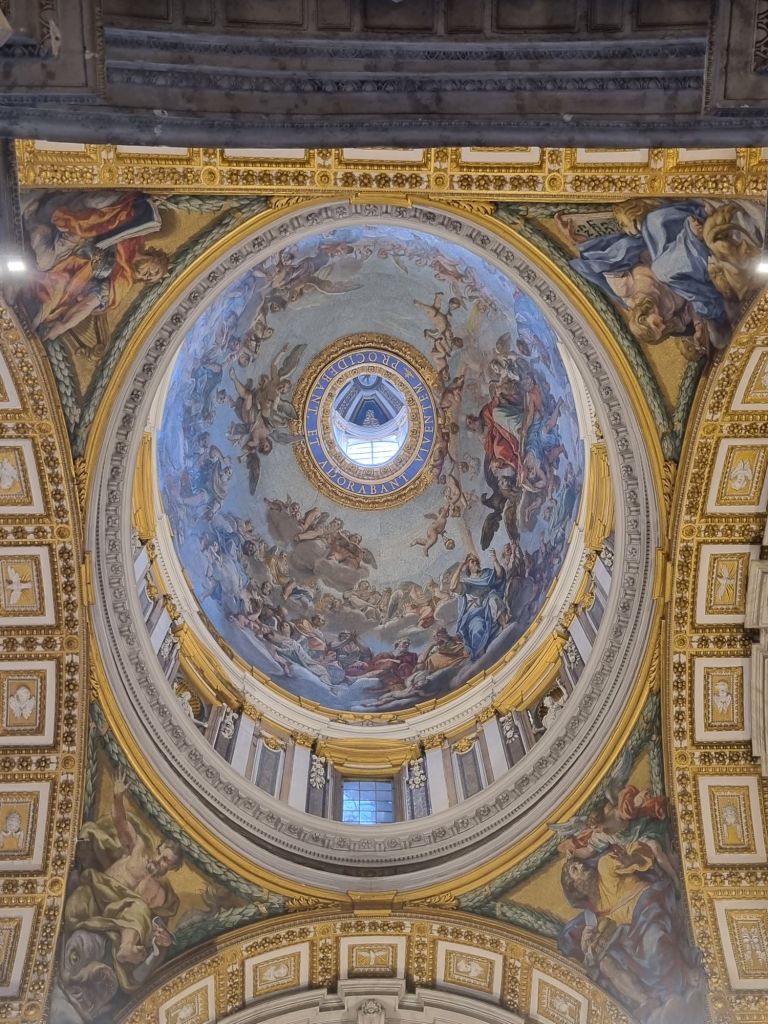
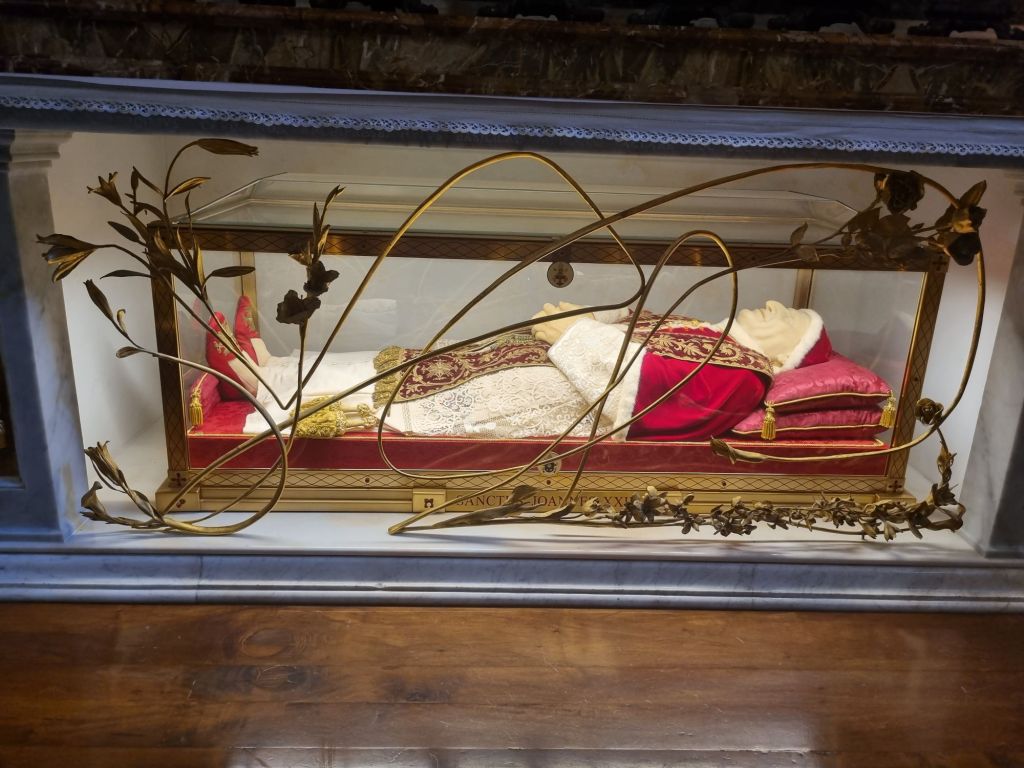
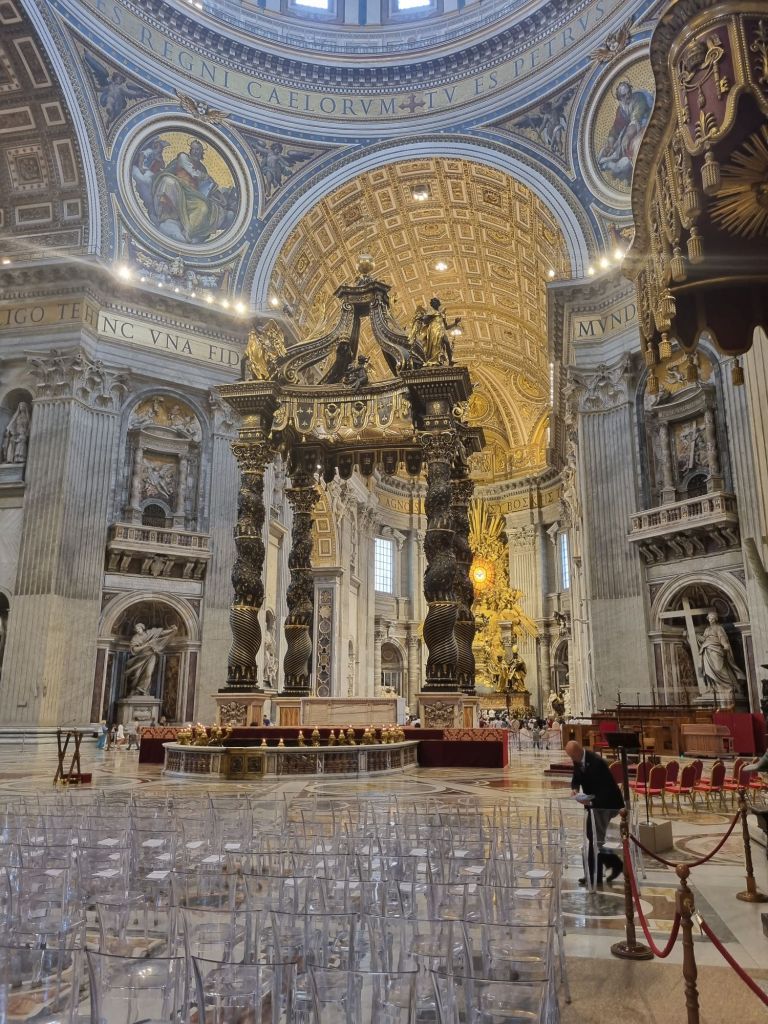
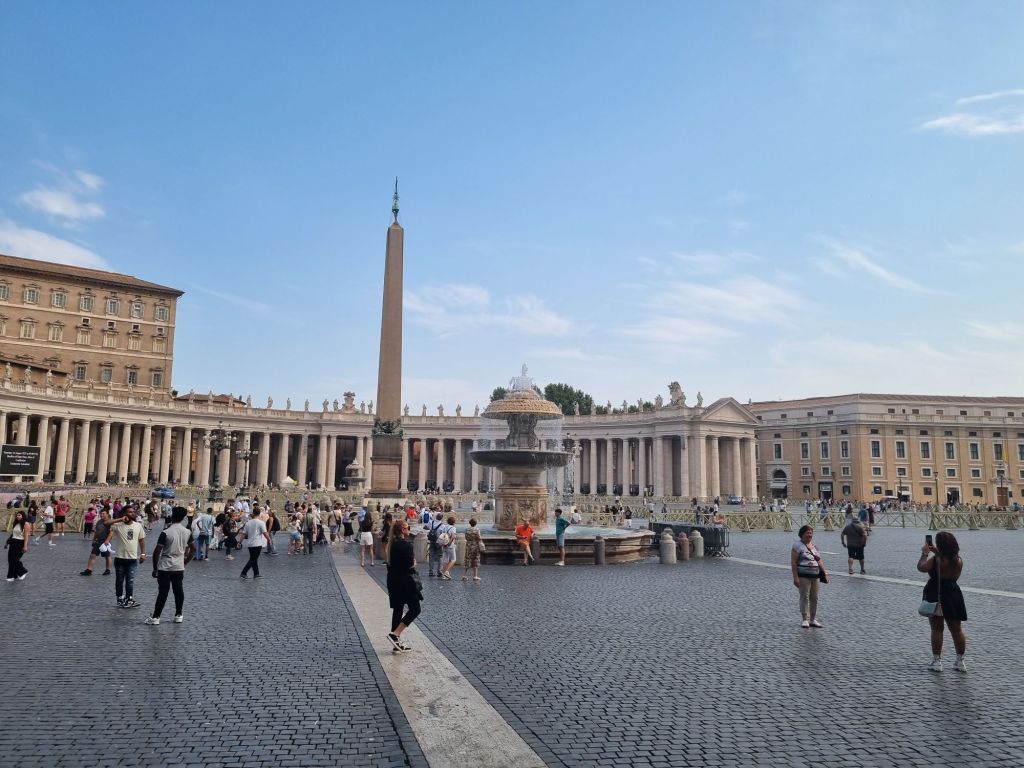
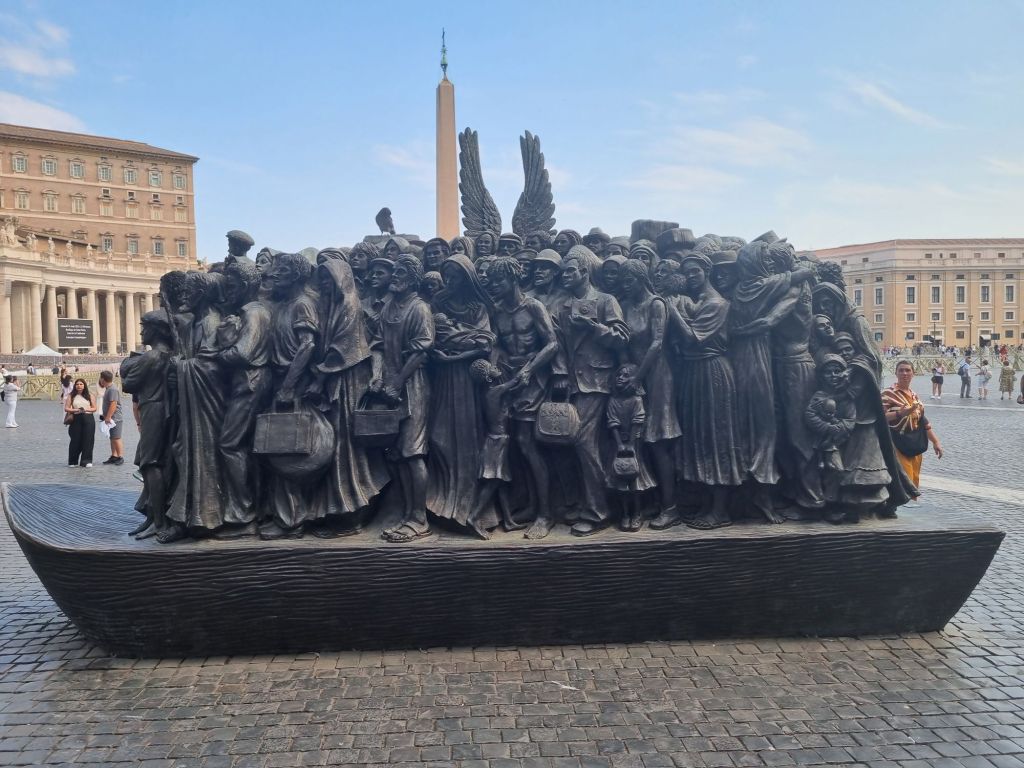
13) St. Peter’s Basilica

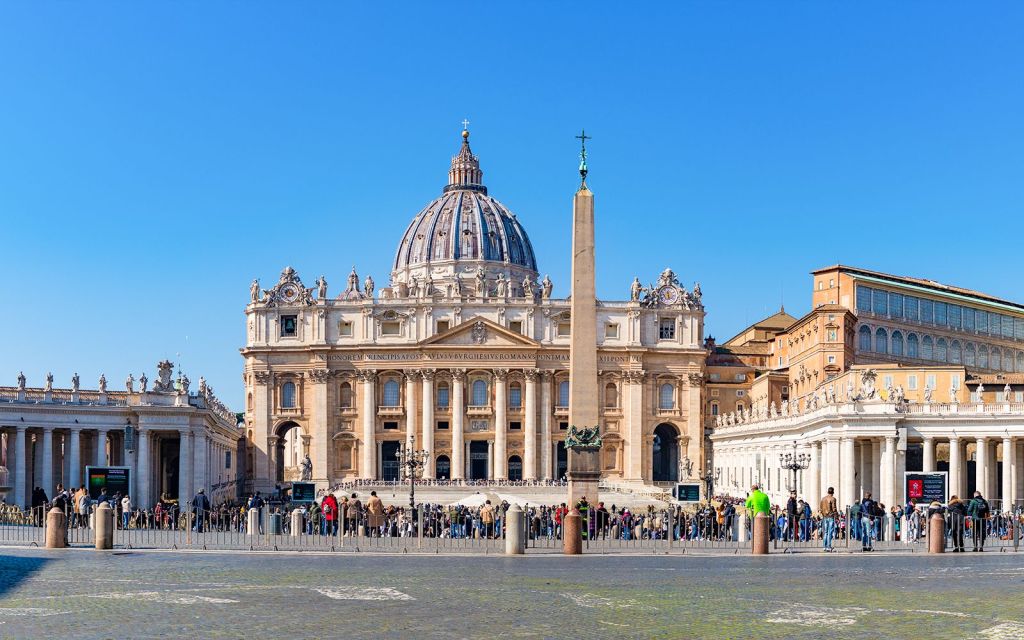

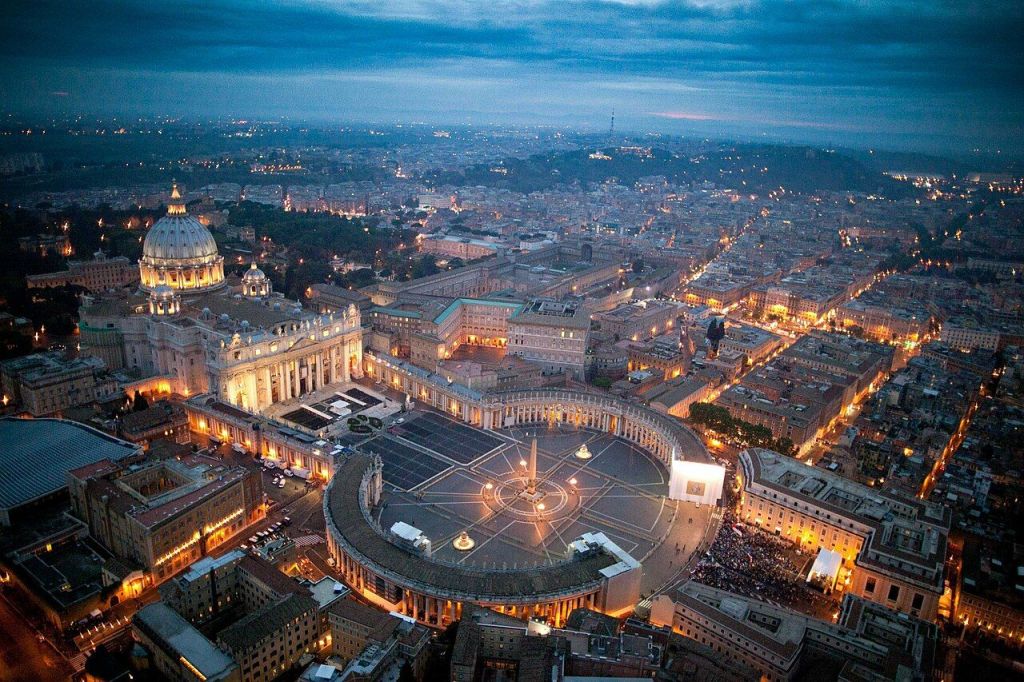
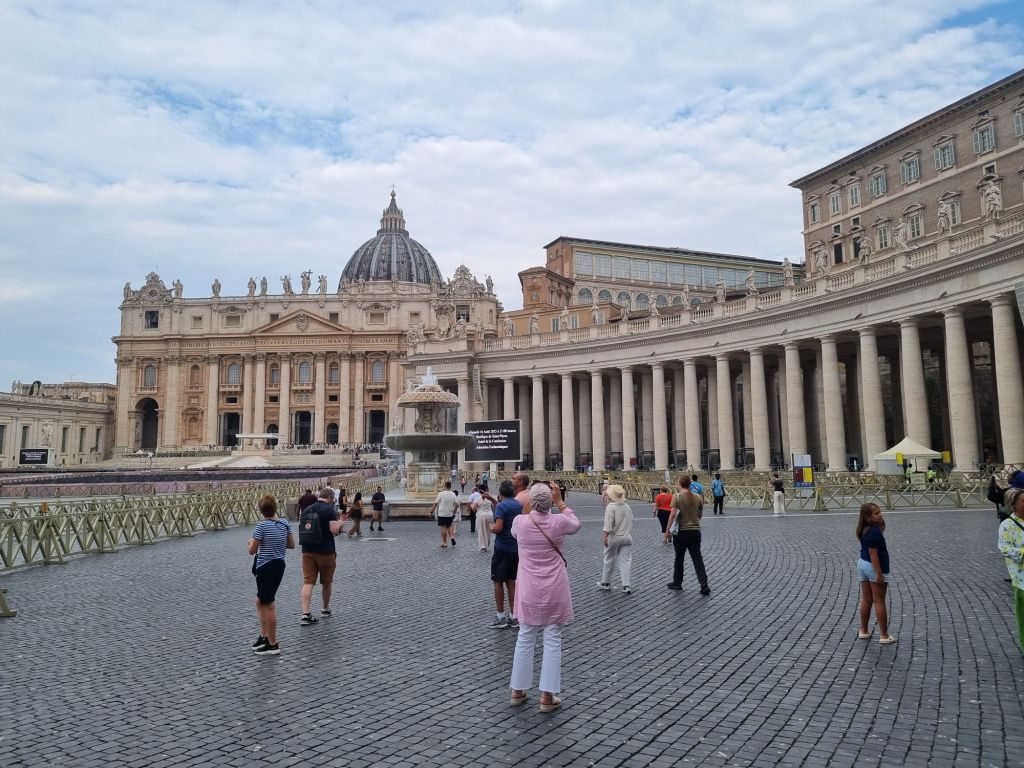
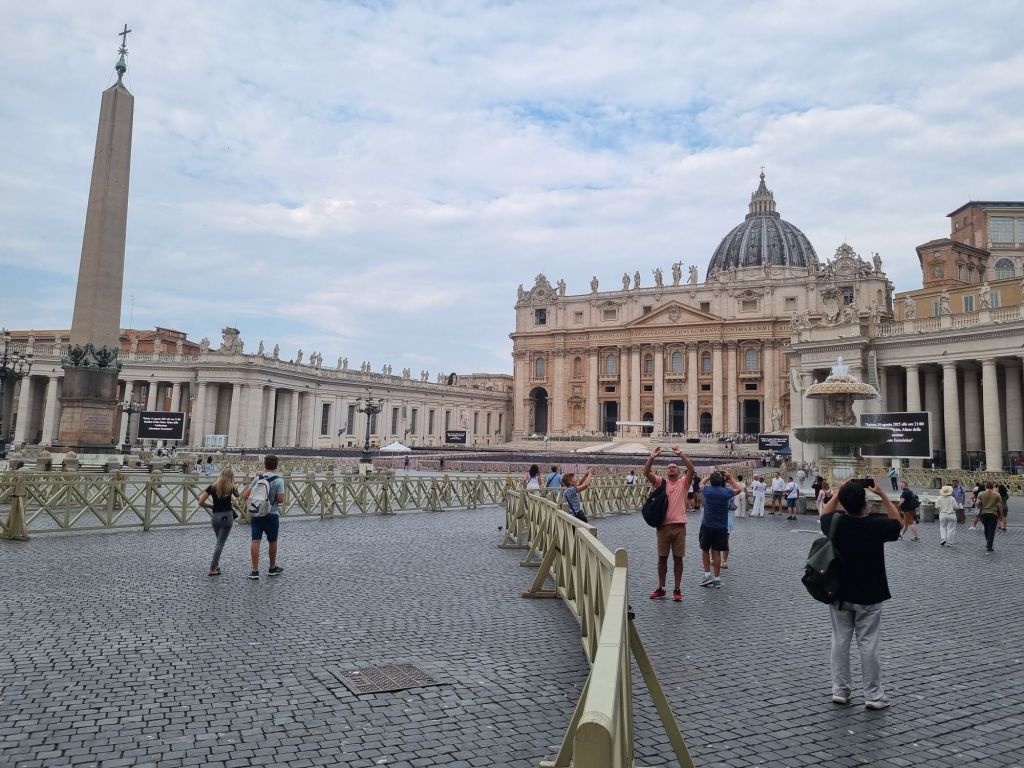






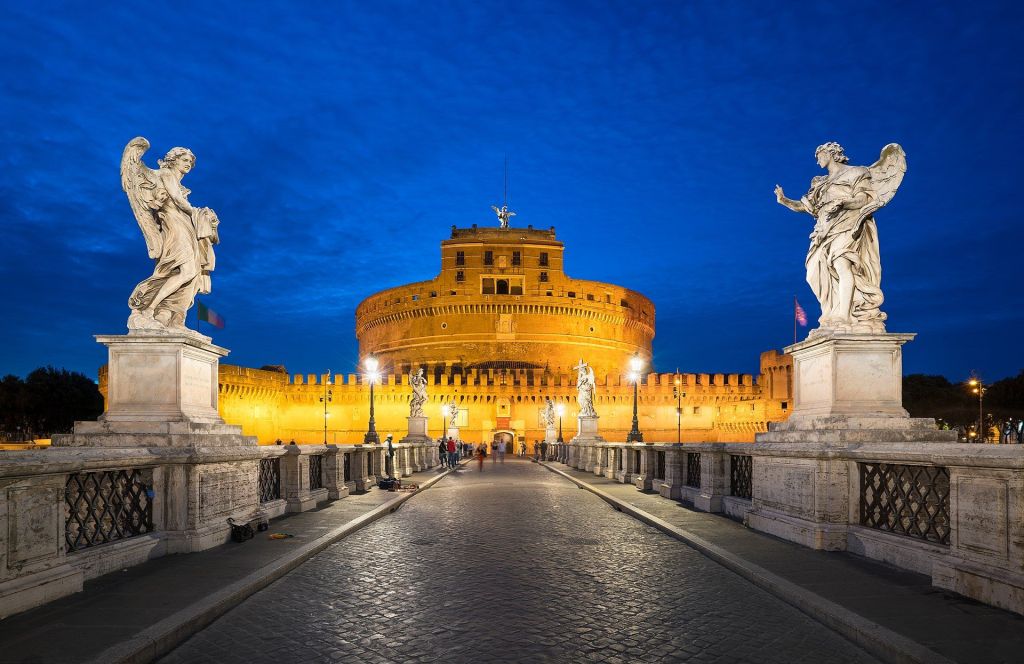
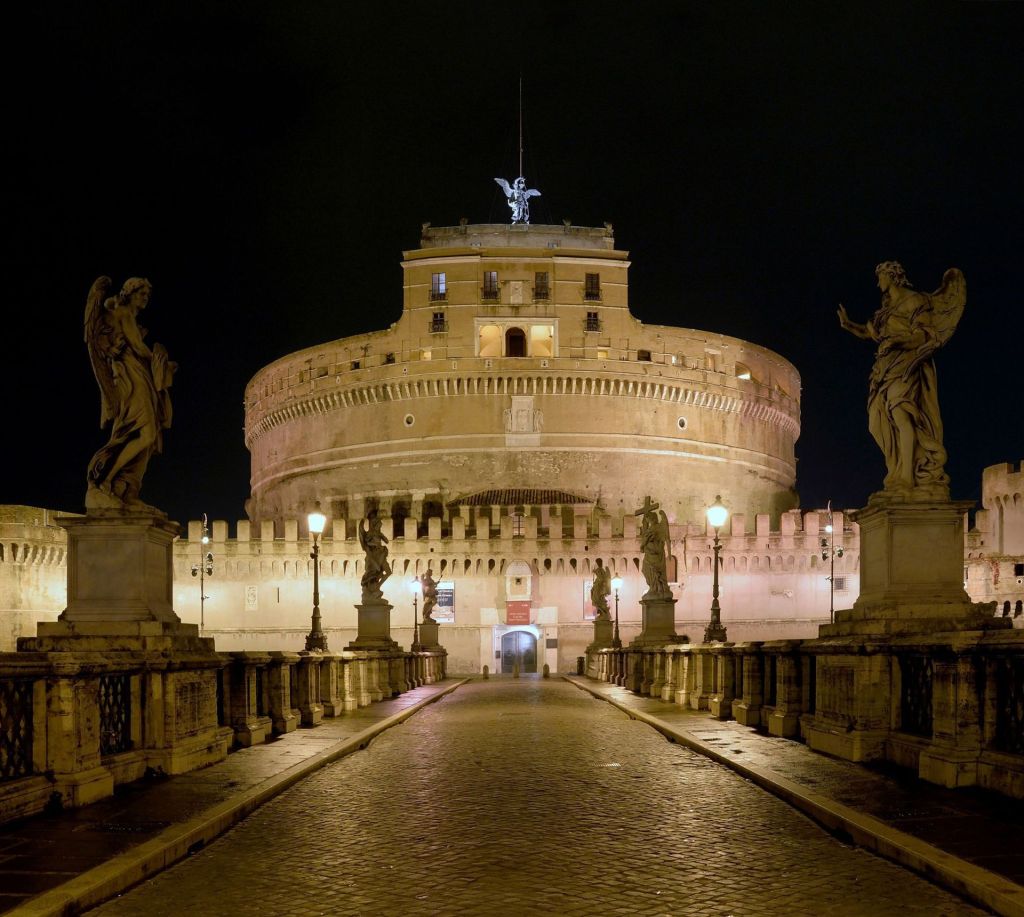
14) Castel Sant’Angelo
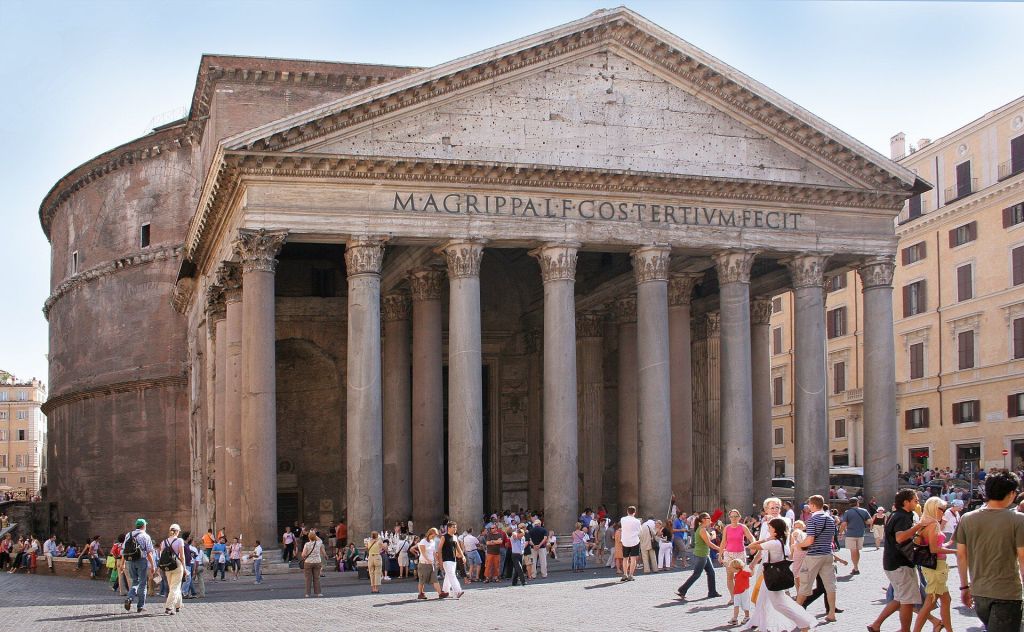
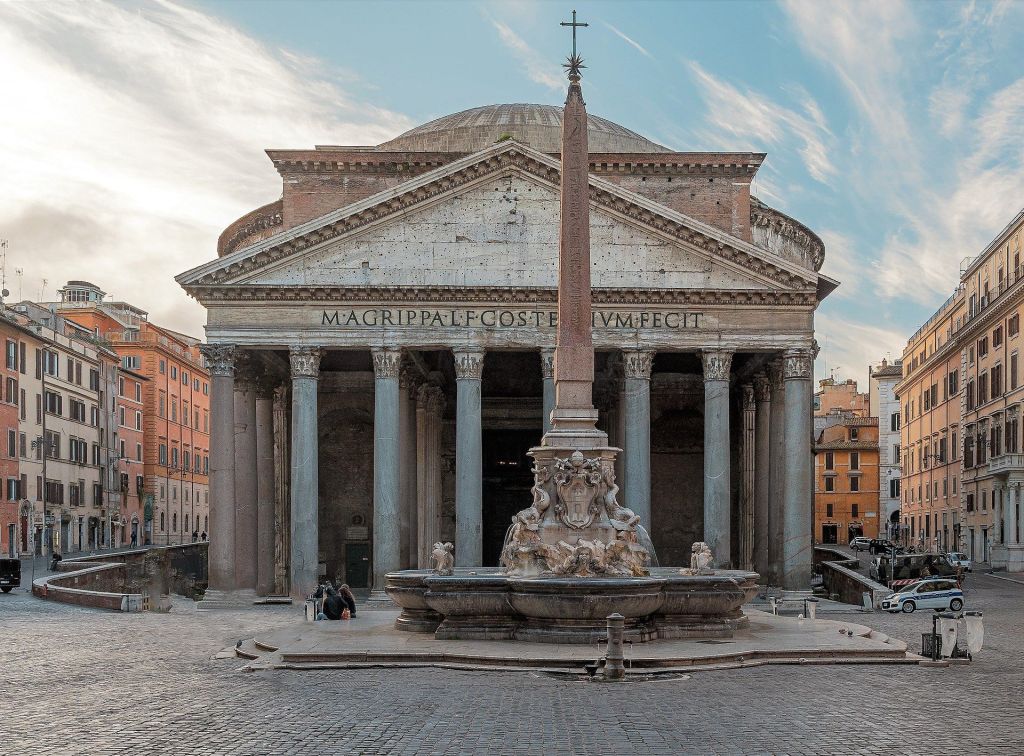
15) Pantheon
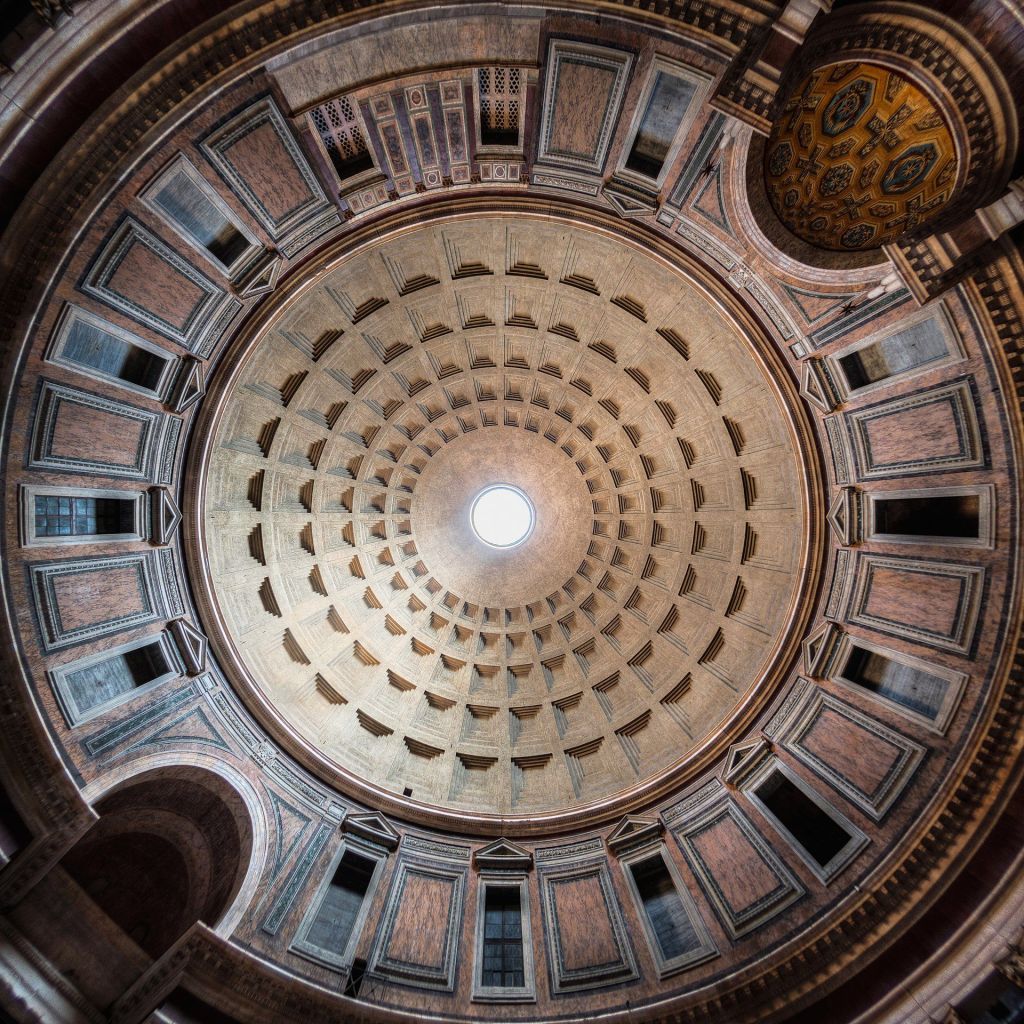

16) Circus Maximus
17) Baths of Caracalla
18) Galleria Doria Pamphilj
19) Capuchin Crypt

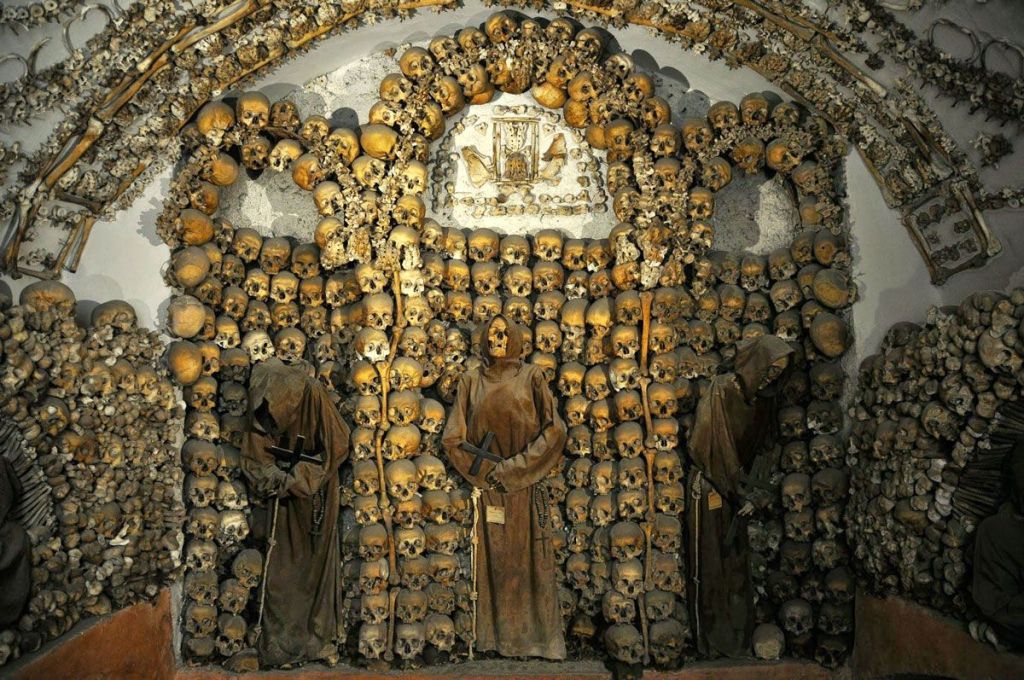
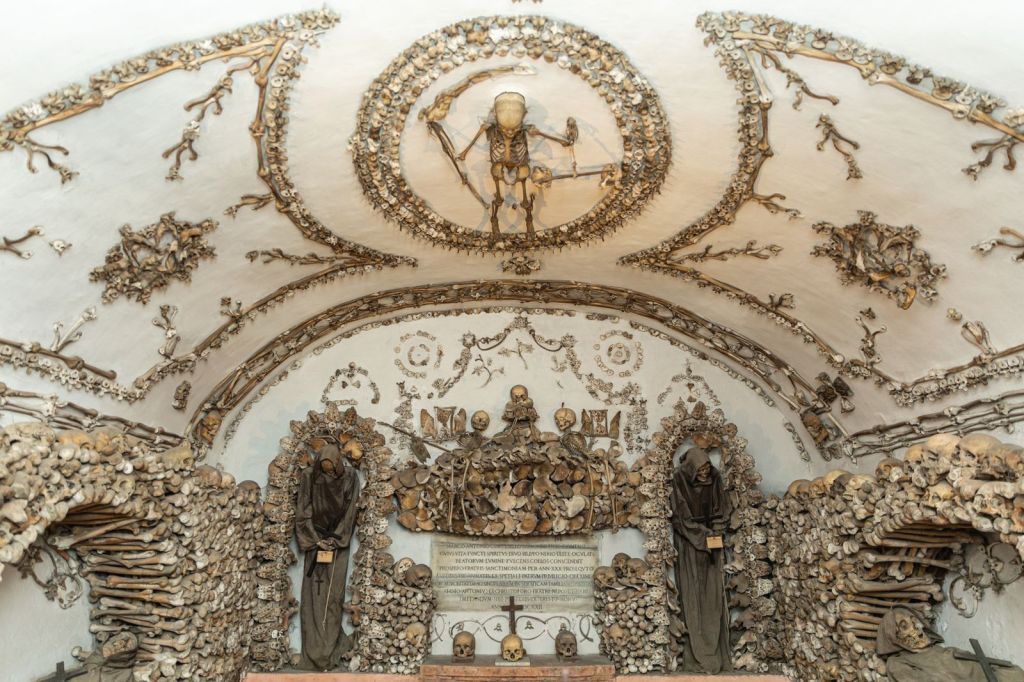


20) Pyramid of Caius Cestius

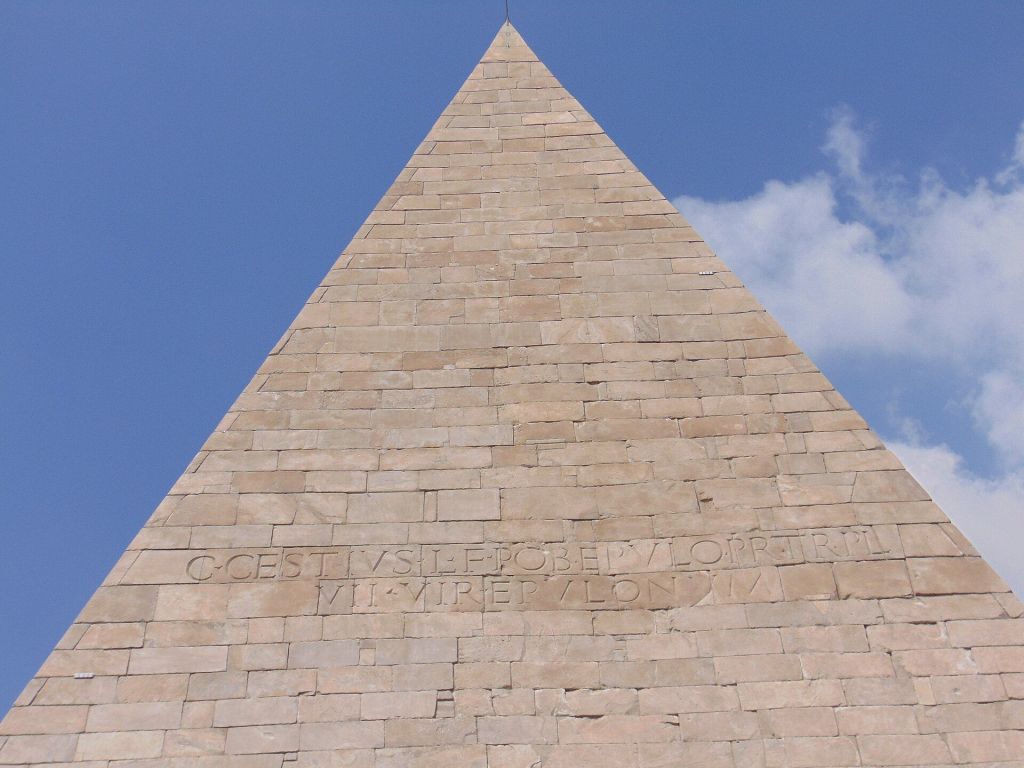
21) Porta San Paolo





22) Catacombs of Priscilla
23) Basilica of Saint Mary of the Angels and Martyrs
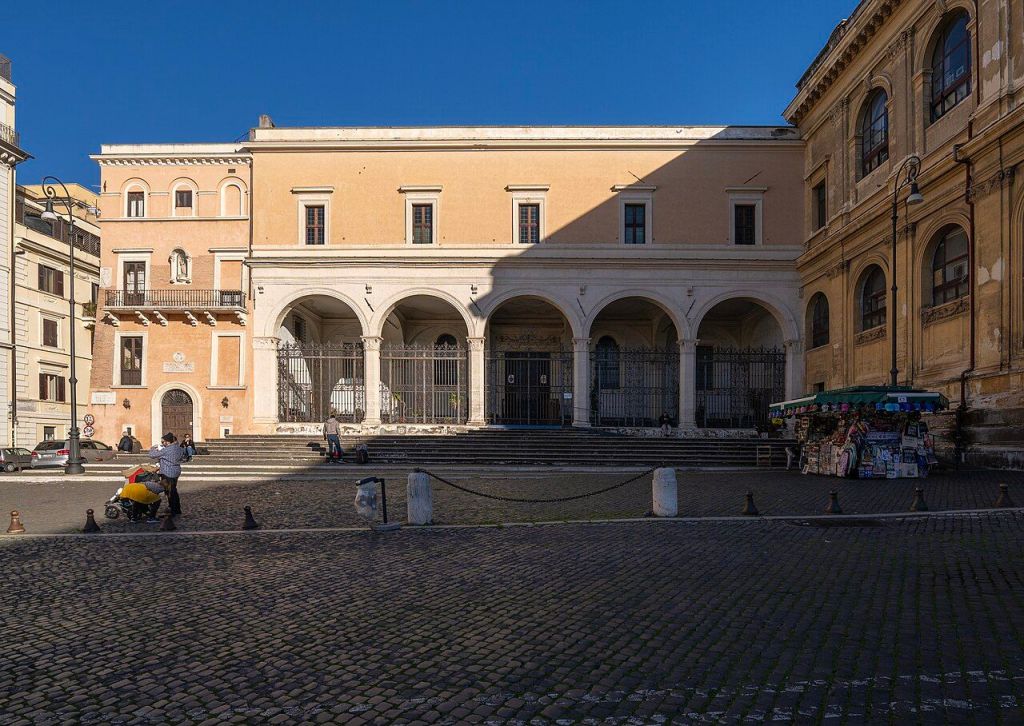
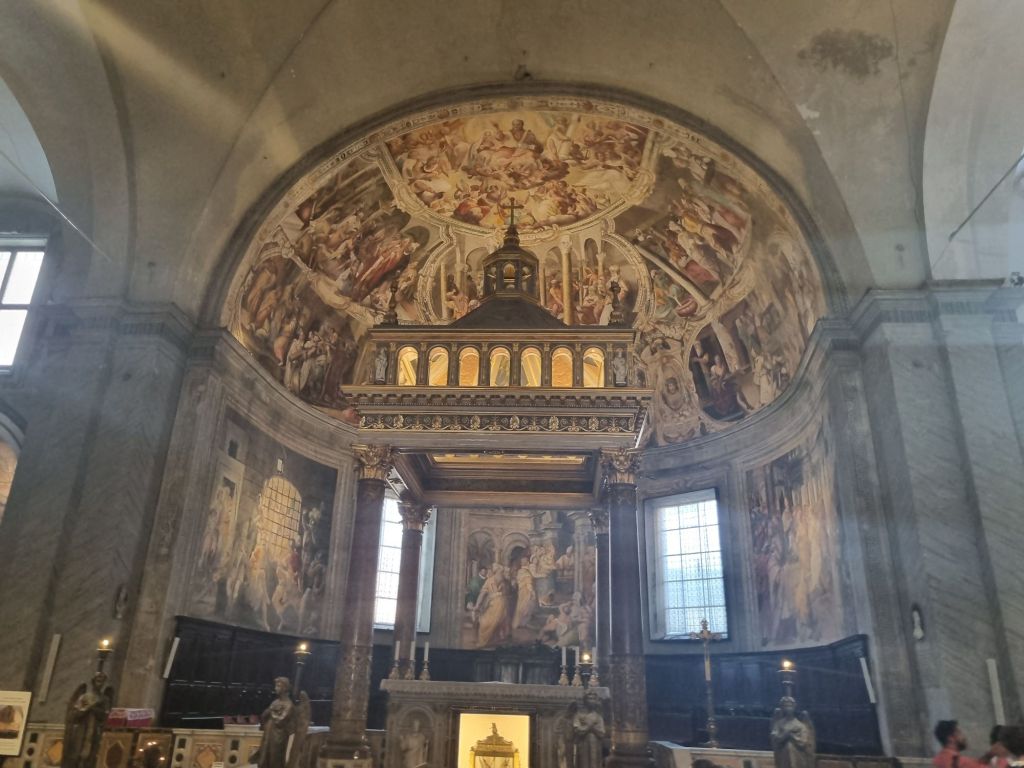
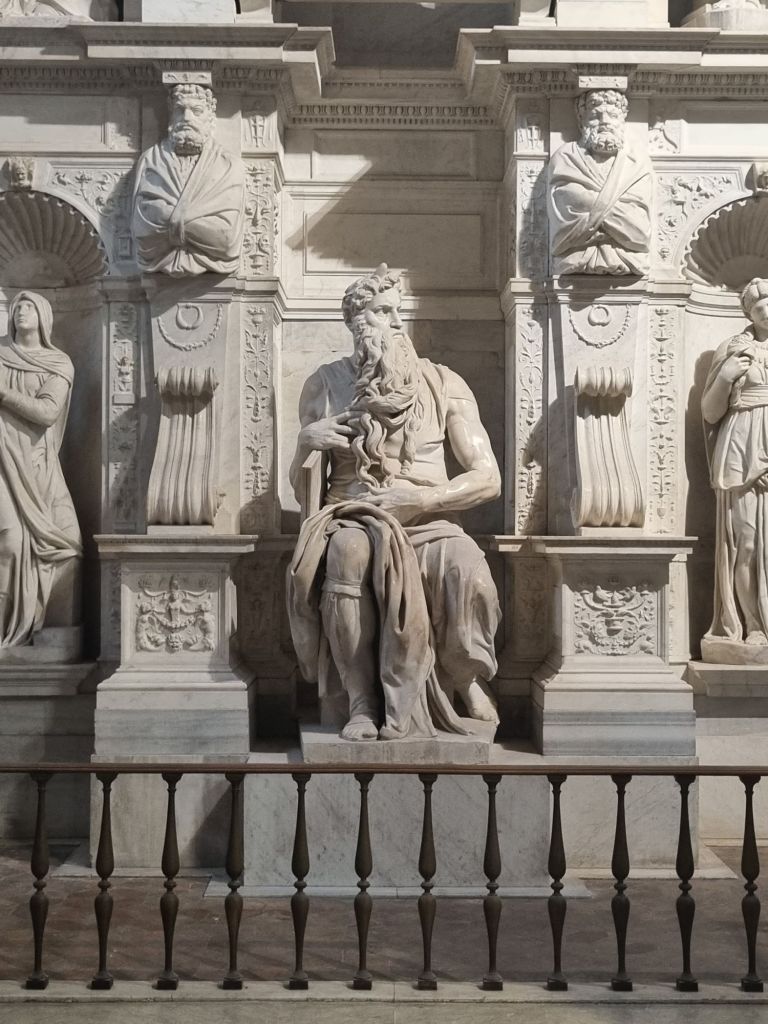
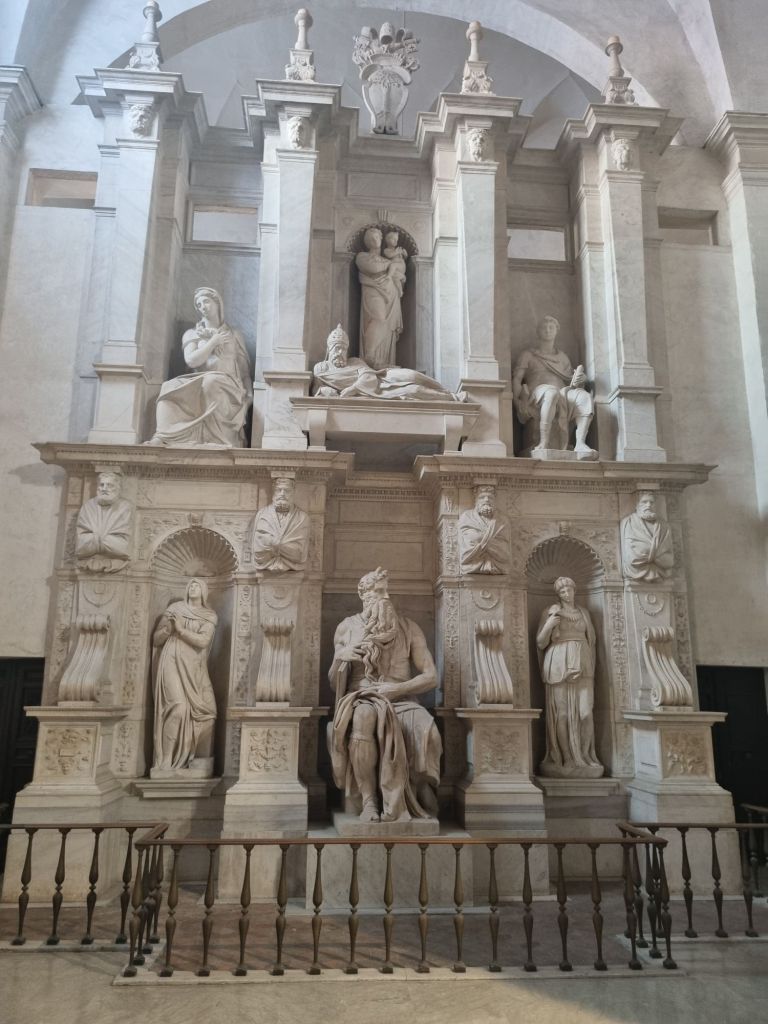
24) Basilica of San Pietro in Vincoli



25) Napoleonic Museum
26) Museo Nazionale Romano, Palazzo Massimo alle Terme
 KÜRESEL BİLGİ ARŞİVİ